
California NNN Properties for Sale
California is net lease's low-cap, high-moat market: the tightest pricing in the country, justified by irreplaceable dirt, escalating leases, and the deepest pool of tenants competing for every corner. For sellers, it's the state most 1031 exits start from; for buyers, it's a residual-value bet that trades income today for land appreciation math over decades.
Market Facts
- State income tax
- Graduated to 13.3%
- Population trend
- Flat-to-declining; regional variance
- Cap spread vs national
- Inside national averages on coastal deals
- Top metros
- LOS ANGELES · INLAND EMPIRE · BAY AREA
California Listings


Listing information is deemed reliable but not guaranteed — pricing, cap rates, and lease terms are subject to change, prior sale, or withdrawal without notice.
Get off-market California deals
Why California for NNN
Scarcity is the product. Entitlement timelines measured in years, development fees measured in hundreds of thousands, and coastal land pricing that forecloses new supply mean an existing drive-thru pad in Orange County is a franchise no competitor can replicate across the street. Western lease convention compounds the story: annual escalations of 1.5–2% (versus the five-year steps common elsewhere) turn a 5% going-in cap into a 6%+ yield-on-cost within a decade. The trade-off is sticker shock and the state's income tax on rent for California residents — which is exactly why in-state owners dominate the buyer pool.
Top metros
Los Angeles and Orange County anchor the premium tier — sub-5 caps on corporate QSR are routine. San Diego mirrors it with a defense-and-biotech demand base. The Bay Area trades thin (little single-tenant stock, fortress pricing when it appears). The value flank runs inland: Sacramento's suburbs (Roseville, Elk Grove, Folsom) pair government-payroll stability with real growth; the Inland Empire converts logistics employment into retail demand along the I-10/I-215 corridors; and Central Valley metros price like the Sunbelt while feeding off California's own population dispersion.
Tax and 1031 notes
Rental income bears the state's graduated rates (top brackets among the nation's highest) for resident owners — a major reason Californians selling appreciated rentals exchange into no-tax states. If that's your path, plan for the Form 3840 clawback filing on deferred California gain (annual, easily managed, occasionally forgotten until it isn't). Prop 13 gives holders assessment stability, then resets on your buyer at sale — factor the reassessment into the tenant's occupancy-cost picture during exit planning. Transaction infrastructure is deep, but county recording and local transfer taxes vary widely; Los Angeles's Measure ULA-style transfer levies mostly spare sub-$5M NNN deals (confirm current thresholds with counsel).
Active tenants here
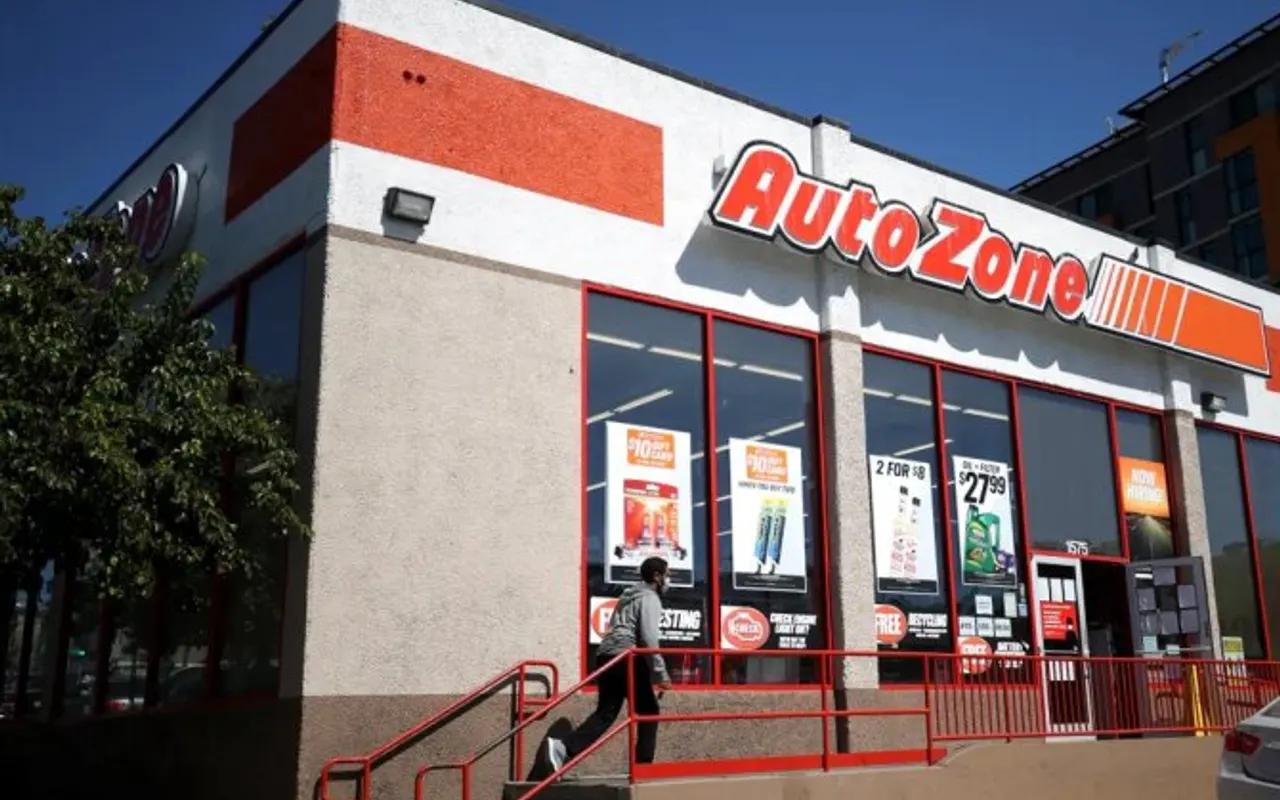
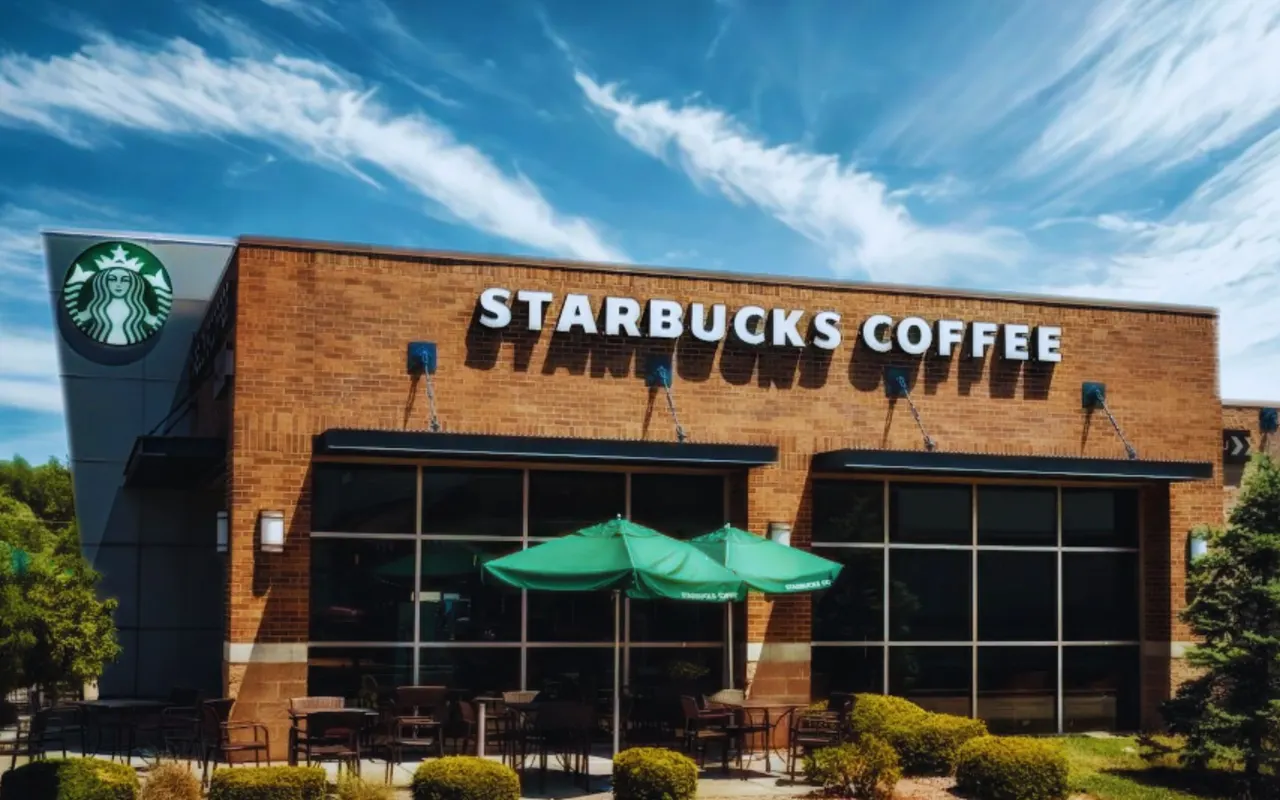
Starbucks and McDonald's define the coastal corporate tier; Chipotle — a California-born concept — supplies fresh pads across every metro. Taco Bell, headquartered in Irvine, runs its densest franchise networks here. 7-Eleven holds the urban c-store grid, while AutoZone and O'Reilly — the latter dominant in the West since its CSK acquisition — serve the state's 30M-vehicle fleet.
California NNN FAQs
Why buy California NNN at the nation's lowest cap rates?
Replacement-cost math and land scarcity. Coastal California pads sit on dirt that can't be entitled again at any reasonable cost — your residual value story is the strongest in the country, and rents ratchet upward on 1.5–2% annual escalations that Western leases carry more often than the national flat-rent norm. Buyers accept 4.5–5.5% caps as the price of owning irreplaceable corners with compounding rent.
I'm selling a California rental — should my 1031 stay in-state or leave?
The classic fork. Leaving captures higher caps and friendlier landlord law — but remember California's 'clawback': the state tracks deferred gain on California property exchanged into out-of-state replacements (via annual Form 3840) and taxes it when you eventually sell without re-exchanging. Staying in-state keeps escalating-lease quality and avoids the filing. The right answer is math per situation; we run both paths with your CPA.
How do California's regulations hit NNN landlords specifically?
Less than they hit apartment owners — commercial leases stay freedom-of-contract — but three items deserve respect: Prop 13 reassessment on sale (your tenant's tax pass-through jumps; check the lease's protection language and the rent-to-sales cushion), ADA/CASp compliance exposure, and local entitlement regimes that make any re-tenanting slower and costlier than Sunbelt equivalents. Environmental review (CEQA) mostly matters at redevelopment, not during the hold.
Where's the yield inside California?
Inland. Sacramento's growth suburbs, the Inland Empire's logistics-driven corridors, the Central Valley (Fresno, Bakersfield) and far-north markets trade 75–150 basis points wider than coastal equivalents with honest growth stories of their own. Same corporate tenants, same escalating leases, materially better cash flow — the in-state value play for buyers who want California law's residual protections without paying Santa Monica pricing.
Keep Exploring
Browse
Neighboring States
Active Tenants Here
Run the Numbers
Buying in California? Tell us your criteria — we'll send matching deals.
Free buyer representation. No obligation. Reply within 24 hours.