
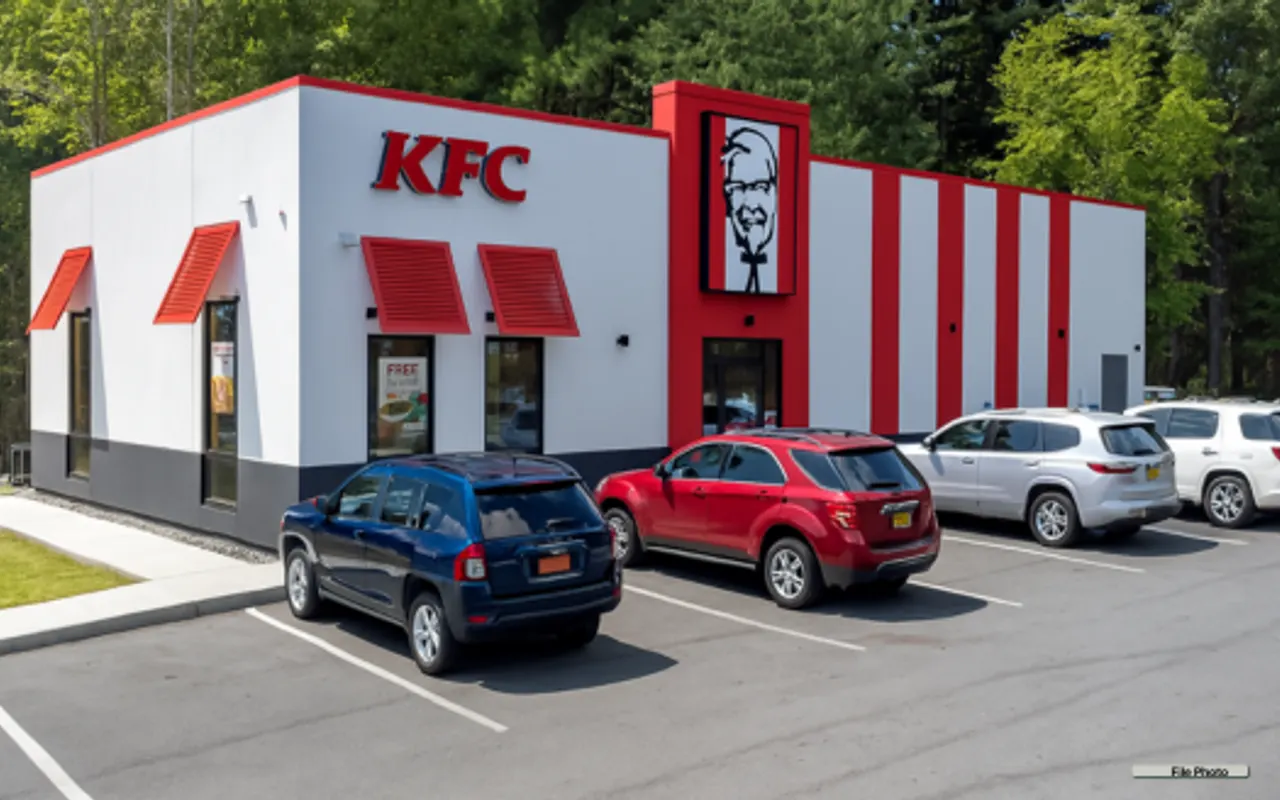
KFC NNN Properties for Sale
KFC is net lease's brand-turnaround wager: 3,000+ U.S. locations of first-generation drive-thru real estate, franchisee guarantees from some of the country's largest restaurant operators, and cap rates 100–200 basis points above the chicken segment's darlings — pricing that reflects a decade of domestic share loss more than any weakness in the specific dirt under the stores.
Quick Facts
- Typical cap range
- 5.75–7.00%
- Lease type
- NNN (fee simple typ.)
- Typical term
- 15–20 yr
- Credit
- Franchisee-guaranteed — underwrite the operator
- Guarantee
- Varies — franchisee entity
KFC Listings
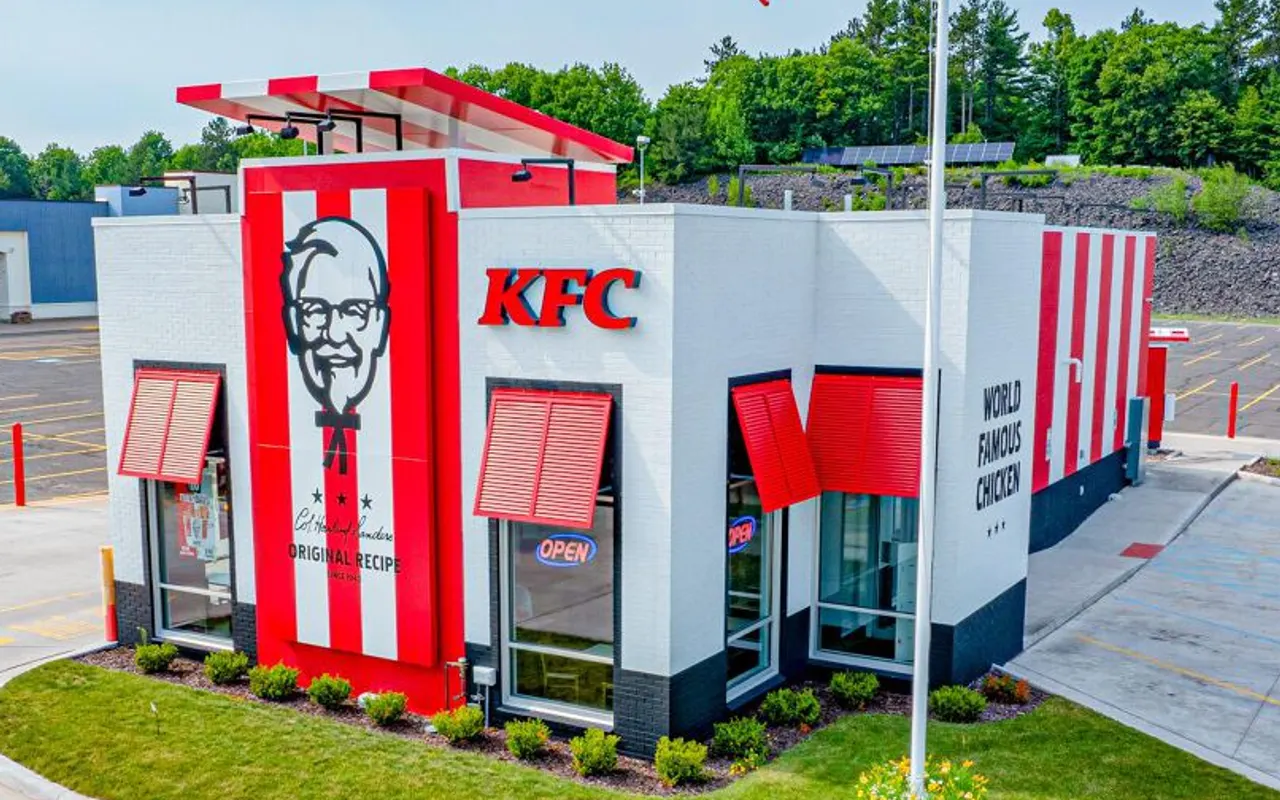
Listing information is deemed reliable but not guaranteed — pricing, cap rates, and lease terms are subject to change, prior sale, or withdrawal without notice.
Get off-market KFC deals
Lease structure
Most tradeable KFC paper comes from refranchising-era sale-leasebacks and remodel-program extensions: 15–20 year NNN terms, 5-year options, escalations of 10% per five years or occasionally 2% annually. Fee-simple is standard; the buildings are compact freestanding boxes on 0.5–0.8 acre pads. Absolute-net language dominates newer documents, but the sector's usual caveat applies — remodel-vintage leases sometimes traded landlord roof obligations for term extensions, so read the maintenance article against the building's actual age.
Credit and guarantee
Your counterparty is a franchisee: KFC's U.S. system is ~99% franchised under Yum! Brands' umbrella. The operator spectrum is wide — from legacy family franchisees holding a dozen stores to platforms operating hundreds across multiple Yum! brands. Yum!'s franchise policing (remodel mandates, transfer approvals, development agreements) provides indirect discipline. Underwriting weight belongs on the guarantor's unit count, multi-brand diversification, and the store's rent coverage; the brand's global strength (30,000+ restaurants worldwide) is context, not credit.
What drives cap rates
Store sales versus the roughly $1.3M U.S. average is the first screen — above-average stores with sub-9% rent-to-sales carry the deal regardless of national headlines. Operator scale sets the next tier: mega-franchisee guarantees compress pricing meaningfully. Remodel status functions as a keep-signal (the chain's image program was mandatory; stores that got it have operator commitment). Then the real estate: corner geometry, lane configuration, and the small-market-incumbent dynamic where KFC's age becomes a moat rather than a liability.
Buyer criteria and red flags
Demand sales figures — on this brand, refusal moves the deal to a hard pass faster than elsewhere. Verify the guarantor entity's full holdings, the remodel completion date, and escalation schedule. Red flags: rent above $30 per foot on legacy volumes, stores in metros where Raising Cane's or Popeyes just opened across the intersection, guarantors mid-divestiture, and dual-brand KFC/Taco Bell buildings marketed on the stronger brand's name while the weaker one's operator holds the lease. The honest KFC deal is a yield instrument: price it off current performance, never off turnaround hope.
How KFC compares
Taco Bell is the same paper with brand momentum — worth its premium for most buyers. Popeyes offers the category's growth story at pricing between the two, with younger, sometimes thinner franchisee guarantees. Chick-fil-A is the segment's other extreme: half the yield, none of the operator homework. KFC earns its place when the specific store's numbers work — a 6.75% cap with 1.5x rent coverage beats a 4.5% trophy for the income-focused buyer, brand narrative notwithstanding.
KFC NNN FAQs
Why do KFC deals yield more than Taco Bell deals from the same parent?
Brand trajectory. Both are Yum! franchisee paper, but U.S. KFC has spent a decade losing chicken-share to Chick-fil-A, Popeyes, and Raising Cane's — including negative domestic comps in recent years — while Taco Bell posts the sector's best momentum. The 50–75 basis point spread between them is the market's brand-health surcharge, and it makes store-level sales disclosure more important on KFC paper than almost any other QSR deal.
Does a struggling brand make every KFC deal a bad buy?
No — it makes the store screen decisive. Thousands of U.S. KFCs still run profitable, entrenched locations, especially small-market stores where the brand's 70-year presence functions as infrastructure and no Chick-fil-A will ever build. A store doing $1.4M+ with rent under 9% of sales, held by a 100+ unit operator, is durable income at a 6.5%+ cap. What you can't buy is the brand average — buy the specific store.
What operator questions matter most on a KFC lease?
Whether the guarantor is growing or shrinking. KFC franchisee consolidation has been aggressive — large platforms like the multi-hundred-unit operators absorb smaller ones yearly, and several major operators run KFC alongside Taco Bell or Pizza Hut. Ask for unit count and brand mix, tenure with the system, and whether this specific store got the required 'American Showman' remodel. Operators skipping remodels on a location are telling you its future.
What is the backfill story for a former KFC building?
Better than the brand anxiety suggests. The 2,200–2,800 square foot freestanding box with a drive-thru is the most re-tenanted format in America — regional chicken concepts, taquerias, coffee drive-thrus, and franchise conversions absorb them steadily. Expect market rent 20–40% below KFC's contract rent on older deals. On a hard corner with a lane, you own re-leasable infrastructure; mid-block without one, the yield needs to be your whole compensation.
Keep Exploring
Browse
States with Inventory
Run the Numbers
Buying a KFC? Get every matching deal — on and off market.
Free buyer representation. No obligation. Reply within 24 hours.