
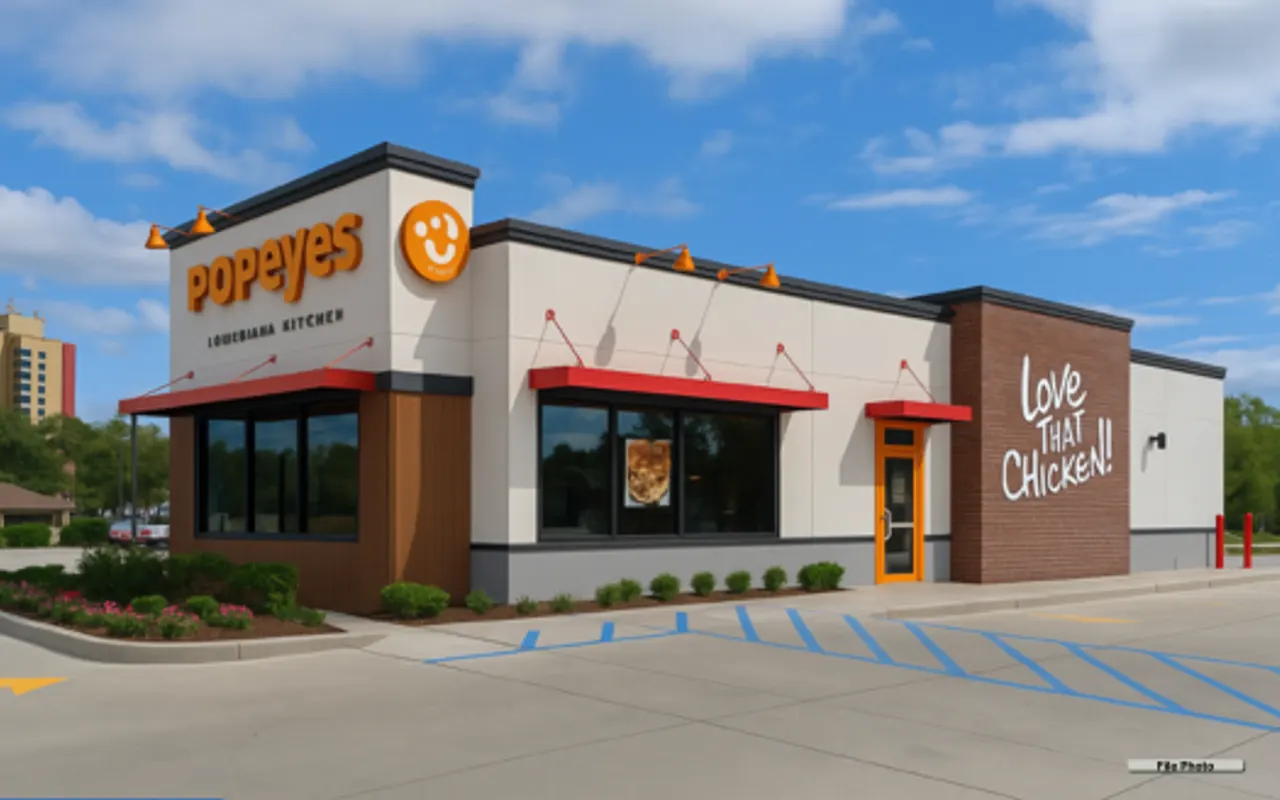
Popeyes NNN Properties for Sale
Popeyes is the growth-side entry in franchise chicken: a brand whose 2019 sandwich moment permanently lifted unit economics, expanding fast enough to keep fresh 15–20 year paper flowing to the net lease market at caps meaningfully wider than Chick-fil-A's. The pricing gap is the franchisee layer — and the operator barbell inside it.
Quick Facts
- Typical cap range
- 5.50–6.75%
- Lease type
- NNN (fee simple typ.)
- Typical term
- 15–20 yr
- Credit
- Franchisee-guaranteed — underwrite the operator
- Guarantee
- Varies — franchisee entity
Popeyes Listings
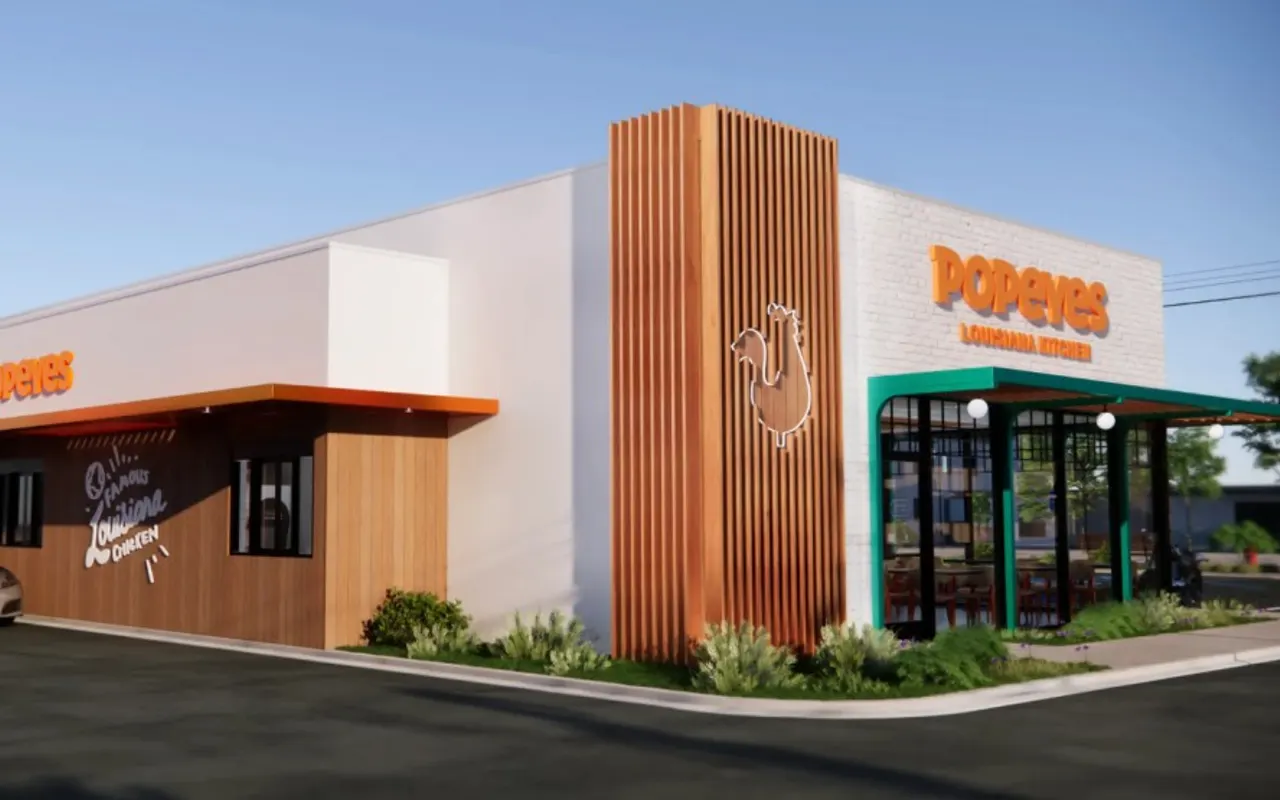
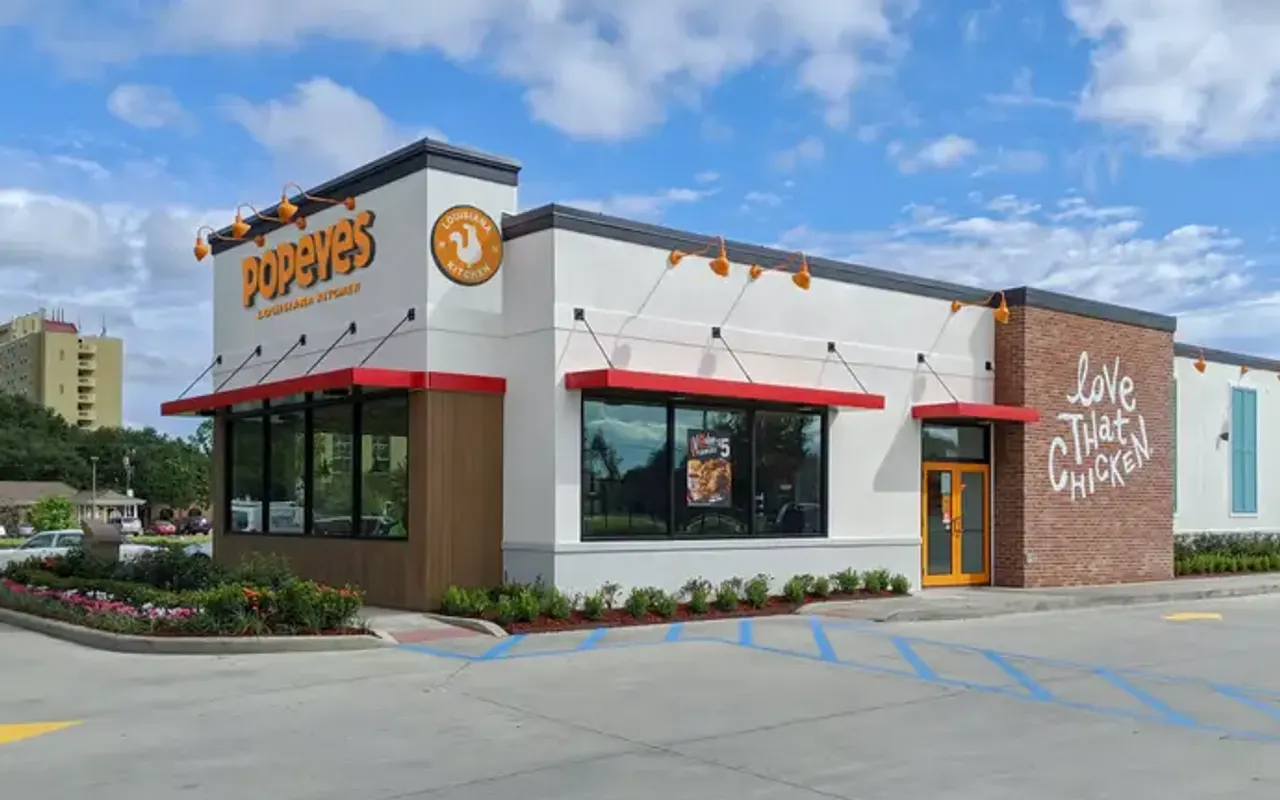
Listing information is deemed reliable but not guaranteed — pricing, cap rates, and lease terms are subject to change, prior sale, or withdrawal without notice.
Get off-market Popeyes deals
Lease structure
New-build developer exits dominate current supply: 15–20 year NNN terms, 10% five-year escalations, drive-thru prototypes on 0.7–1 acre pads. Absolute-net language is typical on this vintage. A secondary market of older Gulf Coast and urban stores carries shorter terms and legacy structures. Development-agreement context rides along on growth-market deals — an operator's lease is one commitment inside a multi-store buildout schedule, and their capital stack services all of it simultaneously.
Credit and guarantee
Franchisee entities sign; RBI (the brand's parent) polices. Guarantor analysis follows the barbell: tenured operators with dense regional footprints and decades of cash flow versus newer developers whose guarantees are as young as their stores. Unit count, brand tenure, and development-pipeline obligations are the three disclosures to demand. The brand layer is genuinely supportive — chicken remains QSR's growth category, and Popeyes holds the #2 chair behind Chick-fil-A — but the signature page, as always in Yum-and-RBI-land, is the credit.
What drives cap rates
Operator tier first, then store maturity: a ramped store with two years of trailing sales at system-average volumes prices inside a just-opened site whose rent assumes the ramp. Term freshness, escalation schedule, and pad quality follow. Market saturation deserves specific attention in the brand's growth corridors — Houston, Dallas, Atlanta, and Chicago absorbed heavy development, and a Popeyes three miles from two siblings shares its trade area's chicken demand three ways no matter what the pro forma said.
Buyer criteria and red flags
Ask for: store opening date and trailing-twelve sales, guarantor unit count and remaining development commitments, and the franchise agreement's term alignment with the lease. Red flags: rent-to-sales above 9% on ramped stores, operators whose development schedules outrun their store-level cash flow, markets where the brand densified faster than traffic justified, and single-unit guarantees on new builds — a structure that prices like a local restaurant because it is one. The keeper profile: tenured operator, proven volumes, sub-8% rent ratio, corner with lane infrastructure. That deal at 6.25% is among the better risk-adjusted buys in QSR.
How Popeyes compares
KFC is the incumbent being displaced — wider caps, older fleet, shrinking share; Popeyes costs 25–75 basis points less yield for the growth side of the same category. Chick-fil-A sits 150+ basis points tighter as the category king with corporate paper. Sibling Burger King shows RBI's turnaround pricing versus its growth pricing. Popeyes fits buyers who want chicken-category exposure with real yield — funded by doing franchisee homework the Chick-fil-A buyer never faces.
Popeyes NNN FAQs
Is Popeyes still riding the chicken-sandwich boom?
The 2019 sandwich launch reset the brand's baseline — average unit volumes jumped from ~$1.4M to $1.9M+ and held — and the system has grown toward 3,500 U.S. locations on the strength of it. Growth has since normalized: comps in the mid-2020s ran modest, and the expansion pace attracts operators of uneven experience. You're no longer buying a rocket; you're buying a bigger, proven brand with growth-market caveats.
What should I know about Popeyes franchisee quality?
It's a barbell. Legacy Gulf Coast operators with 30-year tenures and 50+ stores anchor one end; the growth wave brought first-time multi-unit developers with thin balance sheets and aggressive development agreements on the other. The lease tells you which end you're holding. Development-deal operators opening 10 stores on borrowed money deserve wider caps than their marketing packages request — and the difference shows up exactly when comps soften.
Are new-build Popeyes deals priced fairly?
Check the rent math before the cap rate. New prototypes (2,200–2,600 square feet, drive-thru-forward) come to market as developer exits at rents of $38–48 per foot — numbers built on post-sandwich volumes. At $1.9M sales that's a workable 7–8% rent-to-sales; if the specific store opens at $1.4M, the same rent is a problem wearing a fresh building. Ask when the store opened and what it's actually ringing.
How does RBI ownership affect Popeyes leases?
Same structure as sibling Burger King: Restaurant Brands International owns the brand, enforces standards, and approves transfers, but franchisee entities sign the leases. The parent's relevance is directional — its capital and playbook currently favor Popeyes as the portfolio's growth asset, which supports operator health and store investment. None of that is your guarantee; all of it is the weather your guarantor operates in.
Keep Exploring
Browse
States with Inventory
Run the Numbers
Buying a Popeyes? Get every matching deal — on and off market.
Free buyer representation. No obligation. Reply within 24 hours.