
Texas NNN Properties for Sale
Texas is the volume king of net lease: more new NNN construction than any state, no income tax on the rent, and four major metros each deep enough to be a market on its own. Where Florida's story is migration-driven demand, Texas adds the supply side — a development machine that keeps 1031 identification lists stocked with fresh corporate leases.
Market Facts
- State income tax
- None
- Population trend
- Rapid growth statewide
- Cap spread vs national
- Near national averages; metro-dependent
- Top metros
- DALLAS–FORT WORTH · HOUSTON · AUSTIN
Texas Listings
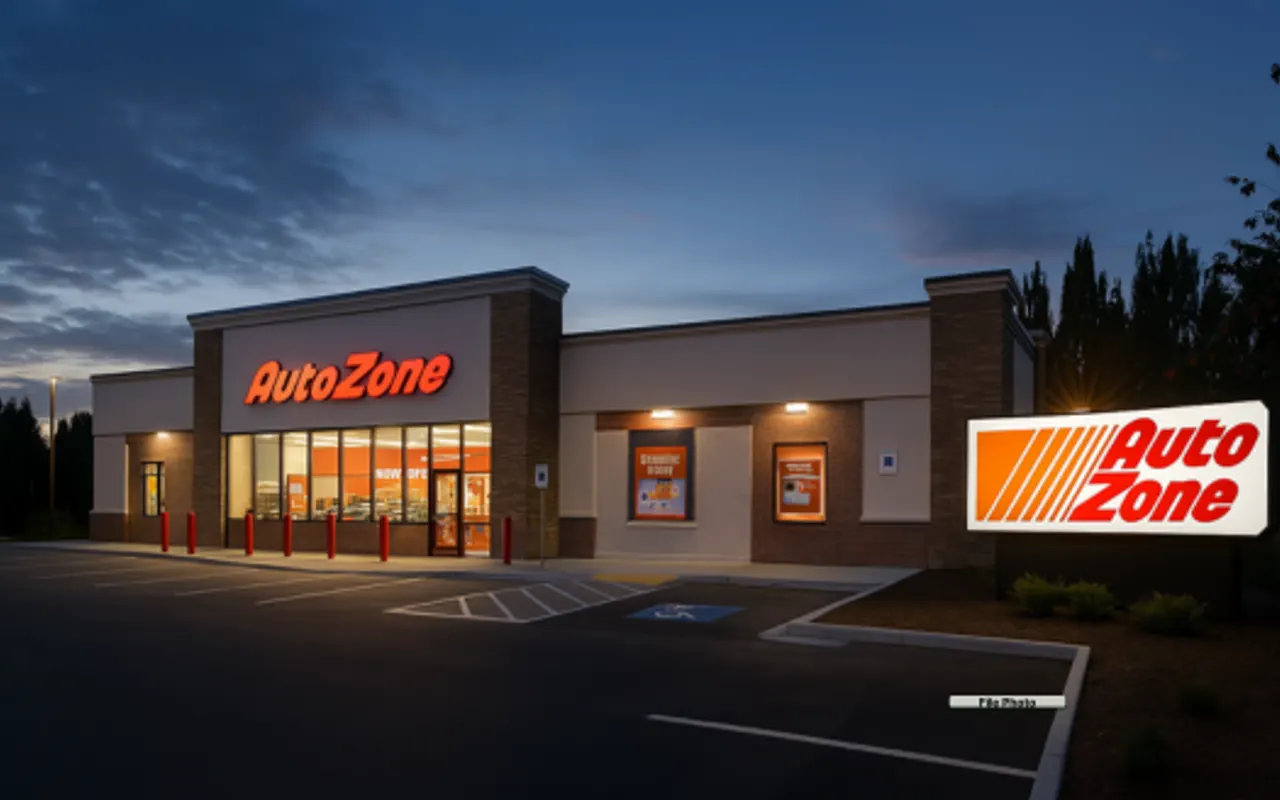
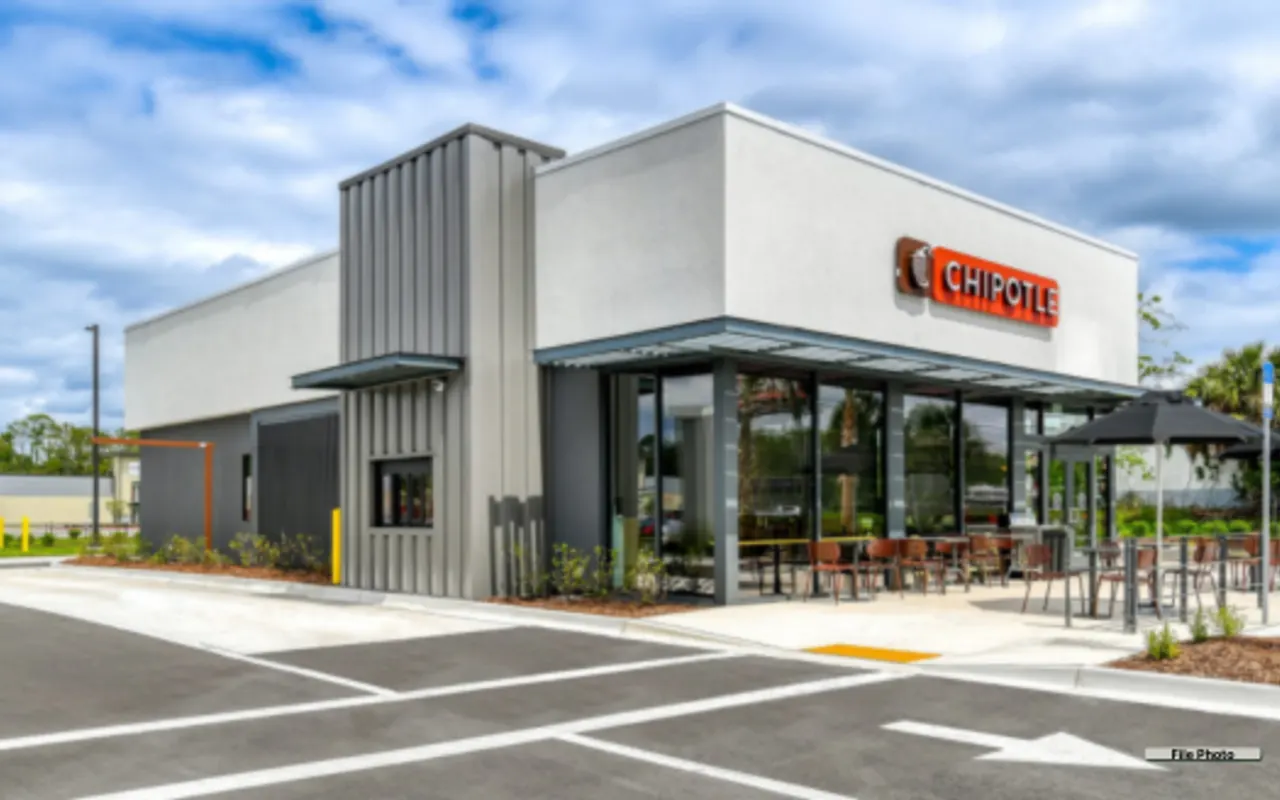
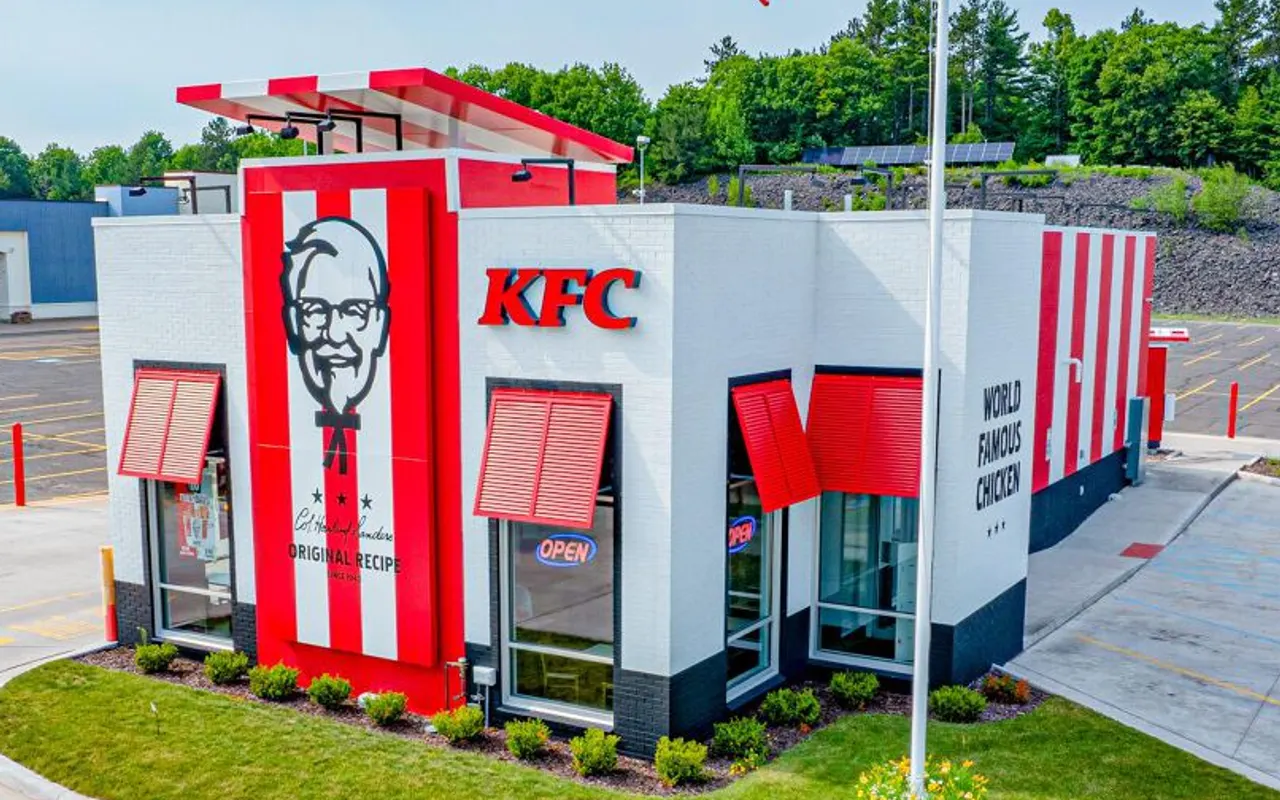
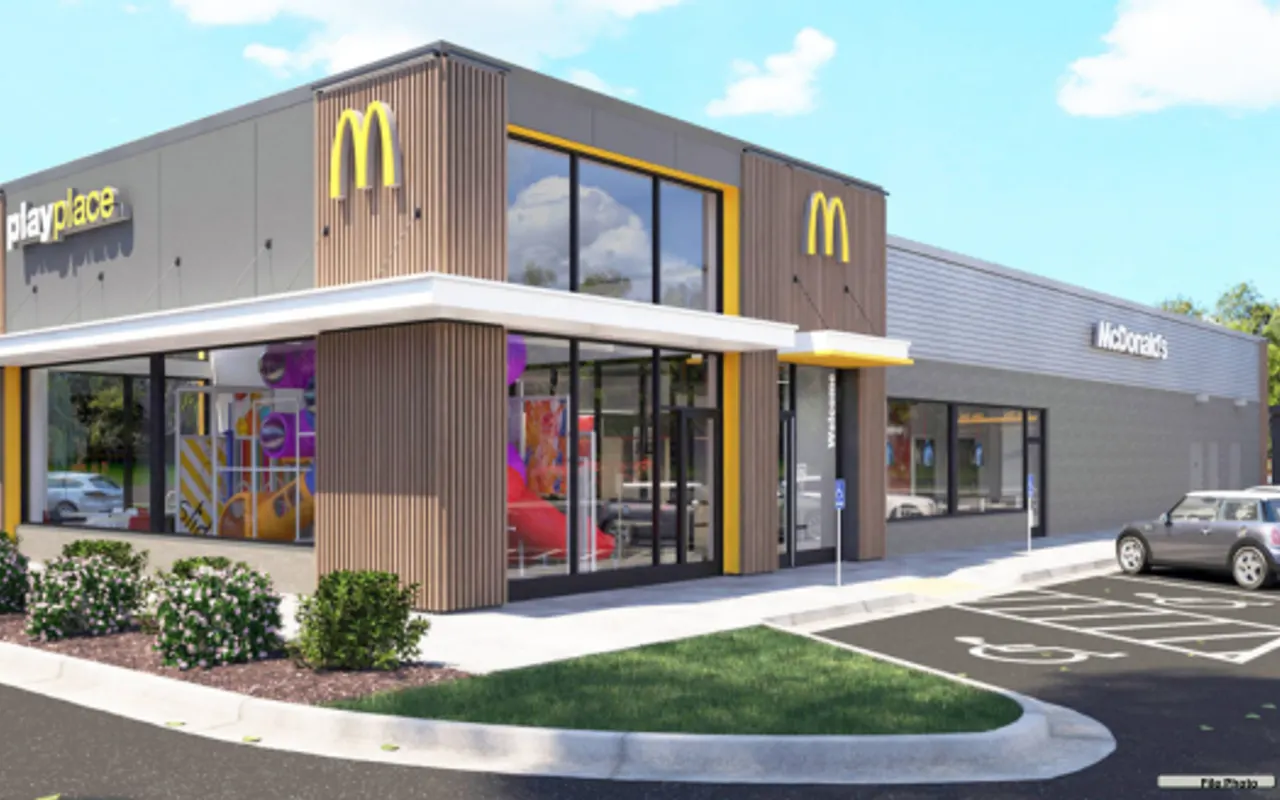
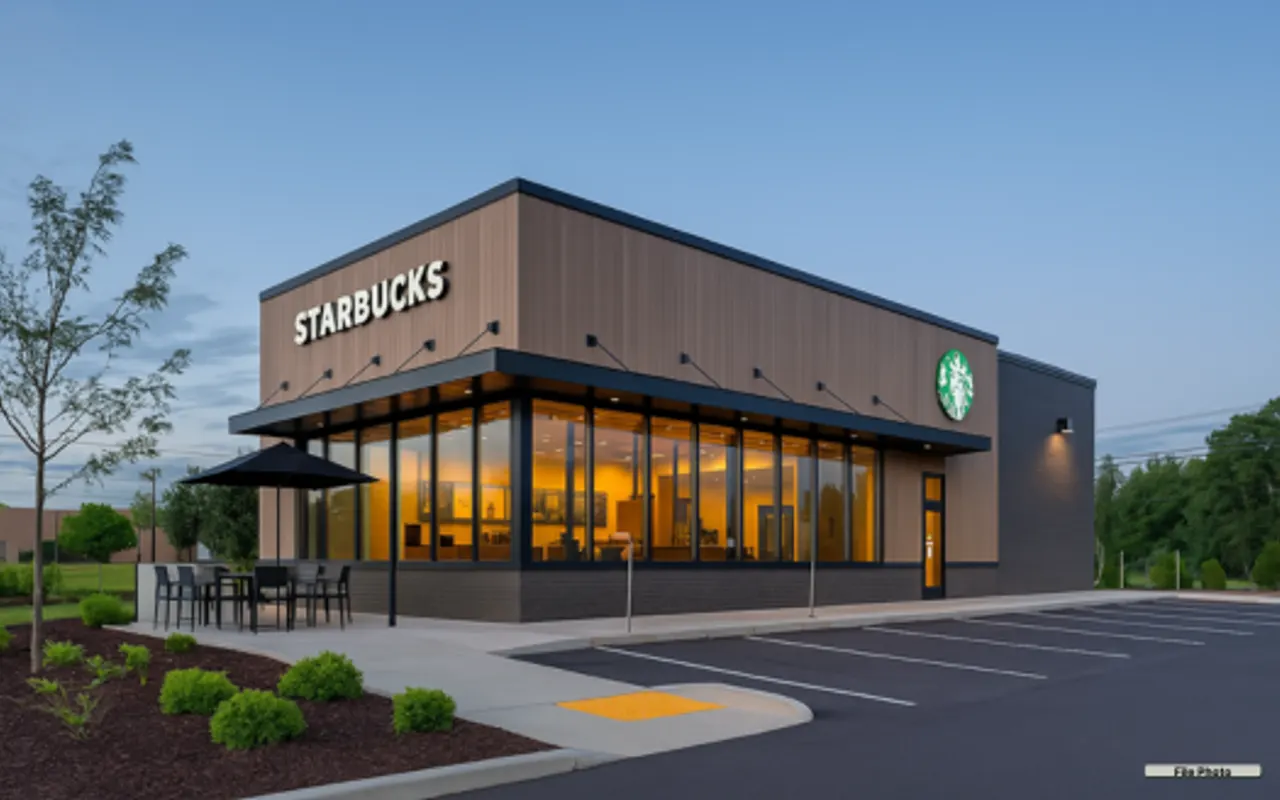
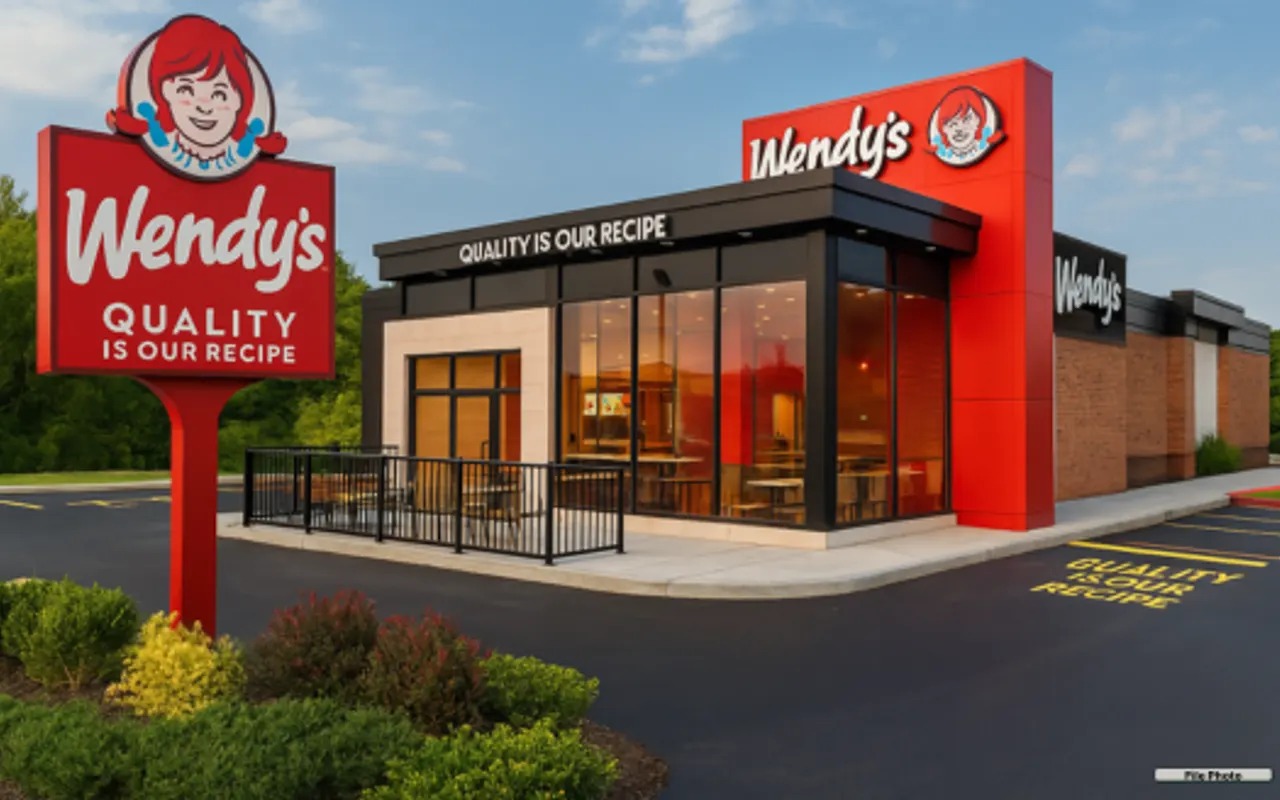
Listing information is deemed reliable but not guaranteed — pricing, cap rates, and lease terms are subject to change, prior sale, or withdrawal without notice.
Get off-market Texas deals
Why Texas for NNN
Scale and freshness. The state's growth (fastest absolute population gains in the country, year after year) generates constant new-format retail development, so Texas inventory skews newer than the national pool — more 15–20 year terms, more current prototypes, more absolute-net paper. Combine that with zero state income tax on rental cash flow and a pro-landlord legal environment (fast evictions, freedom of contract), and the state competes with Florida for every exchange dollar leaving the coasts.
Top metros
Dallas–Fort Worth is the flagship: relentless northern-suburb expansion (Frisco, Prosper, Celina) mints pad sites, and national buyers price DFW paper accordingly. Houston offers the majors' best cap-rate value — energy-cycle wariness keeps pricing honest despite elite growth numbers. Austin trades tightest on the tech narrative; deal flow is thinner and land costs push rents to levels worth stress-testing. San Antonio, the quiet compounder, delivers military-and-healthcare stability with South Texas growth. The mid-market tier — El Paso, McAllen, Lubbock, Corpus Christi — rewards yield hunters who verify local demand drivers.
Tax and 1031 notes
No personal income tax and no state capital gains tax make Texas exits as clean as its holds. The costs live elsewhere: property taxes among America's highest (a pass-through on true NNN leases, but a tenant-health variable worth modeling), and the franchise margin tax that most single-asset owners duck under the revenue threshold (confirm the current exemption level with your CPA). Title and closing practice is efficient; 45-day identification timelines are routine for the state's exchange-heavy transaction infrastructure.
Active tenants here
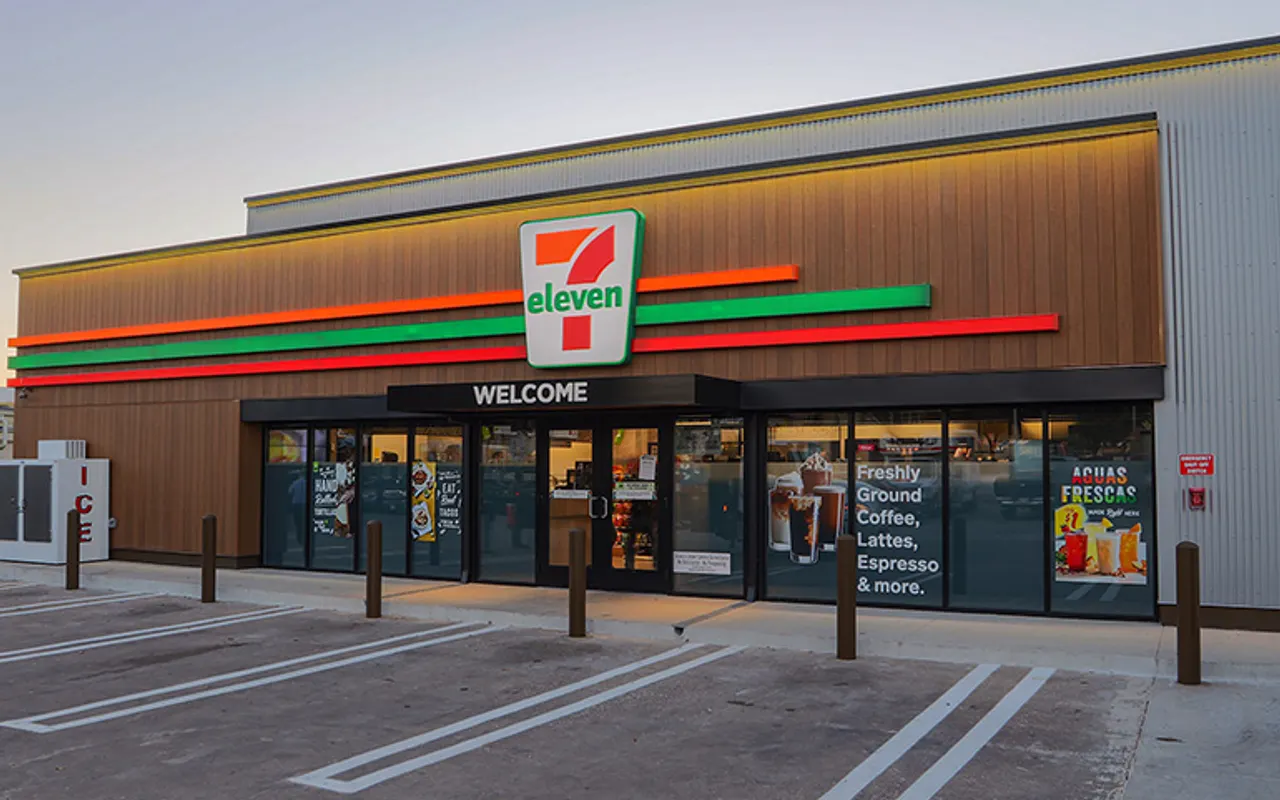
7-Eleven — whose U.S. operations headquarter in Irving — and McDonald's anchor the corporate tier statewide. Taco Bell franchise platforms run dense across all four metros, Dutch Bros made Texas its biggest expansion bet, and Chipotle pads follow every suburban grocery anchor. Dollar General owns the small-town grid, AutoZone tracks the state's truck-heavy vehicle fleet, and Walmart outparcels trade wherever Supercenters anchor.
Texas NNN FAQs
How does Texas's size change the NNN buying process?
It's four distinct markets wearing one flag. DFW prices like a national gateway, Houston swings with energy and offers the majors' best yields, Austin carries tech-boom pricing on a smaller deal base, and San Antonio trades steadiest. Beyond them, 3M+ people live in mid-cities (El Paso, Lubbock, McAllen, Waco) where caps run 50–75 basis points wider on the same tenants. 'Texas pricing' is a metro question, always.
Is there really no state tax bite on Texas NNN income?
No personal income tax on your rent, and for most individual NNN owners no franchise-tax exposure either — the state's margin tax applies to taxable entities above a revenue threshold ($2.47M in recent years — confirm the current threshold with your CPA), which a single-property LLC's rent rarely crosses. Property taxes are the flip side: Texas rates rank among the nation's highest, which matters on gross leases but passes through cleanly on true NNN paper.
What's driving so much new NNN construction in Texas?
Population math plus corporate relocations. The state adds people at the fastest absolute rate in America, and every master-planned suburb from Celina to Katy needs its QSR row, c-stores, and dollar stores in year one. Developers pre-sell those pads as NNN exits, meaning Texas continuously supplies what 1031 buyers want most: fresh 15–20 year corporate paper at every price point.
Anything Texas-specific to check in diligence?
Property-tax reassessment is the big one: Texas reassesses aggressively and appraisal-district values chase sale prices, so model the tenant's post-sale tax load under the lease's pass-through — a rent-to-sales ratio that worked at the old assessment can tighten after your closing triggers a bump. Also confirm rollback exposure on recently converted agricultural land under new pads, and dual-agency norms differ here; buy-side representation costs you nothing regardless.
Keep Exploring
Browse
Neighboring States
Active Tenants Here
Run the Numbers
Buying in Texas? Tell us your criteria — we'll send matching deals.
Free buyer representation. No obligation. Reply within 24 hours.