
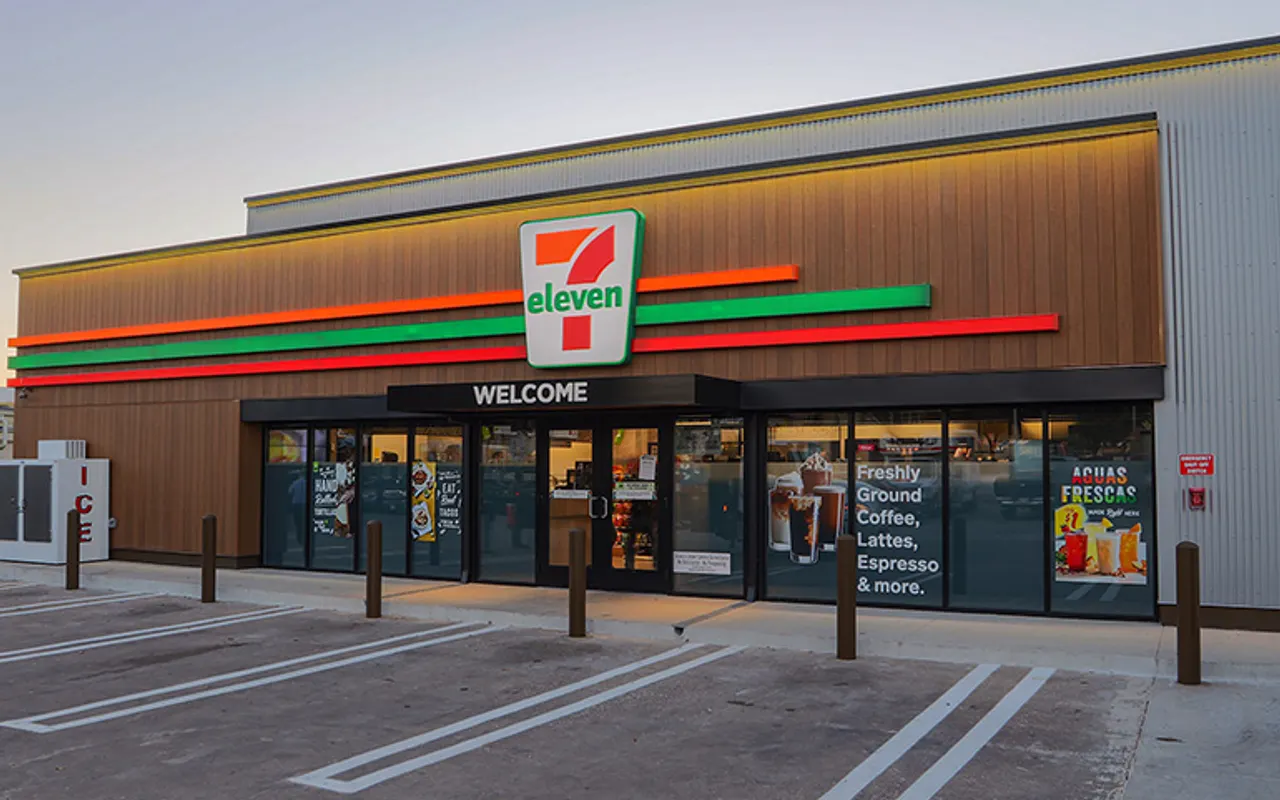
7-Eleven NNN Properties for Sale
7-Eleven is convenience retail's incumbent: roughly 13,000 North American locations after swallowing Speedway, an investment-grade U.S. operating company, and — critically for buyers — a huge base of absolute-net corporate leases created by the largest sale-leaseback program the sector has ever run. It's the closest the c-store world gets to commodity-grade, one-decision underwriting.
Quick Facts
- Typical cap range
- 5.00–6.00%
- Lease type
- Absolute NNN
- Typical term
- 15 yr
- Credit
- Corporate — investment grade (Moody's Baa2 / S&P A-, as of Q3 2026)
- Guarantee
- 7-Eleven, Inc.
7-Eleven Listings
Listing information is deemed reliable but not guaranteed — pricing, cap rates, and lease terms are subject to change, prior sale, or withdrawal without notice.
Get off-market 7-Eleven deals
Lease structure
Corporate deals run 15-year absolute-net base terms with 5-year options and escalations around 7.5–10% per five years — tenant owns the tank system on fuel sites, maintains everything, and leaves the landlord a genuinely passive position. The Speedway-vintage sale-leasebacks (2021 onward) standardized this paper at scale. Franchise-signed leases, where they exist, are shorter and messier; they're a different risk class that happens to share brand marks.
Credit and guarantee
7-Eleven, Inc. carries investment-grade ratings — Moody's Baa2 (negative outlook), S&P A-, as of Q3 2026 — and sits under Seven & i Holdings, a conglomerate with global revenue above $80B. The guarantee covers the U.S. entity's balance sheet — substantial on its own, with the parent's scale behind it. The 2024–25 period brought takeover interest in the parent and strategic reviews; none of it touched lease obligations, but current-status confirmation belongs in every closing checklist.
What drives cap rates
Fuel versus non-fuel first — tank-free stores price tighter for the diligence-averse buyer. Then term: fresh 15-year Speedway paper versus 7 remaining years is a 75-basis-point conversation. Then the corner itself: signalized access, gallons history where disclosed, and inside-sales evidence (the chain's food-service push is deliberate margin strategy). Legacy urban stores without parking trade on completely different math than suburban fuel prototypes — treat them as separate products.
Buyer criteria and red flags
Demand the environmental file on any fuel site before your money goes hard: Phase I, tank registrations, compliance history, and the state trust-fund status that determines who pays for legacy contamination. Confirm the lease signatory and the tank-ownership clause. Red flags: dealer-operated fuel sites dressed as corporate deals, rent set by 2021 financing needs rather than the corner's economics, and stores where a new-format competitor (Wawa, Buc-ee's, QuikTrip) just opened across the street — inside sales migrate faster than fuel volume does.
How 7-Eleven compares
Wawa beats it on per-store sales and food-service moat but offers far fewer deals and tighter caps. Circle K matches the scale story with slightly wider pricing and more franchise/dealer complexity. And against Dollar General — the other high-volume 1031 staple — 7-Eleven trades roughly 150 basis points tighter for stronger corners and the fuel-site operational moat. Within c-store credit, it's the volume answer: always inventory, always the same paper.
7-Eleven NNN FAQs
Corporate 7-Eleven versus franchised — how do I tell what I'm buying?
The lease signature, never the storefront. 7-Eleven, Inc. signs corporate deals directly — that's the investment-grade paper trading at 5–6% caps. Franchised stores wear the identical sign, but many franchise structures still put corporate on the underlying lease; where a franchisee entity signs instead, you're underwriting a small business and should be paid 150+ basis points more for it. The estoppel tells the truth the flyer may not.
Do 7-Eleven deals include the gas station, and does that change the risk?
Both formats trade. Fuel sites — expanded heavily after the chain's 2021 Speedway acquisition added 3,800 stations — carry environmental diligence duties: Phase I always, tank records, state fund eligibility. Non-fuel convenience stores skip all of that and appeal to buyers who want c-store credit without tank exposure, usually 25–50 basis points tighter. Neither is wrong; they're different products sharing a logo.
What did the Speedway acquisition mean for net lease buyers?
Supply. The $21B deal came with a massive sale-leaseback program — over a thousand Speedway sites hit the NNN market on 15-year absolute-net corporate paper, and many still trade as resales. They're clean structures, but they were priced as a financing exercise: check rent against local fuel-site comps rather than assuming the number reflects the corner. Speedway signs are converting to 7-Eleven over time.
Is 7-Eleven's Japanese parent a plus or minus for the guarantee?
7-Eleven, Inc. — the U.S. entity that signs your lease — is owned by Seven & i Holdings of Tokyo, one of the world's largest retailers. The scale is a plus; the nuance is that your recourse runs to the U.S. subsidiary, which carries investment-grade ratings of its own — Moody's Baa2, S&P A-, as of Q3 2026, the strongest S&P mark in this tenant lineup (confirm current status at close, especially given the 2024–25 takeover speculation around the parent). Practically: the market prices it as national corporate credit, tighter than any franchisee alternative.
Keep Exploring
Browse
Sector
States with Inventory
Run the Numbers
Latest Insights
Buying a 7-Eleven? Get every matching deal — on and off market.
Free buyer representation. No obligation. Reply within 24 hours.