
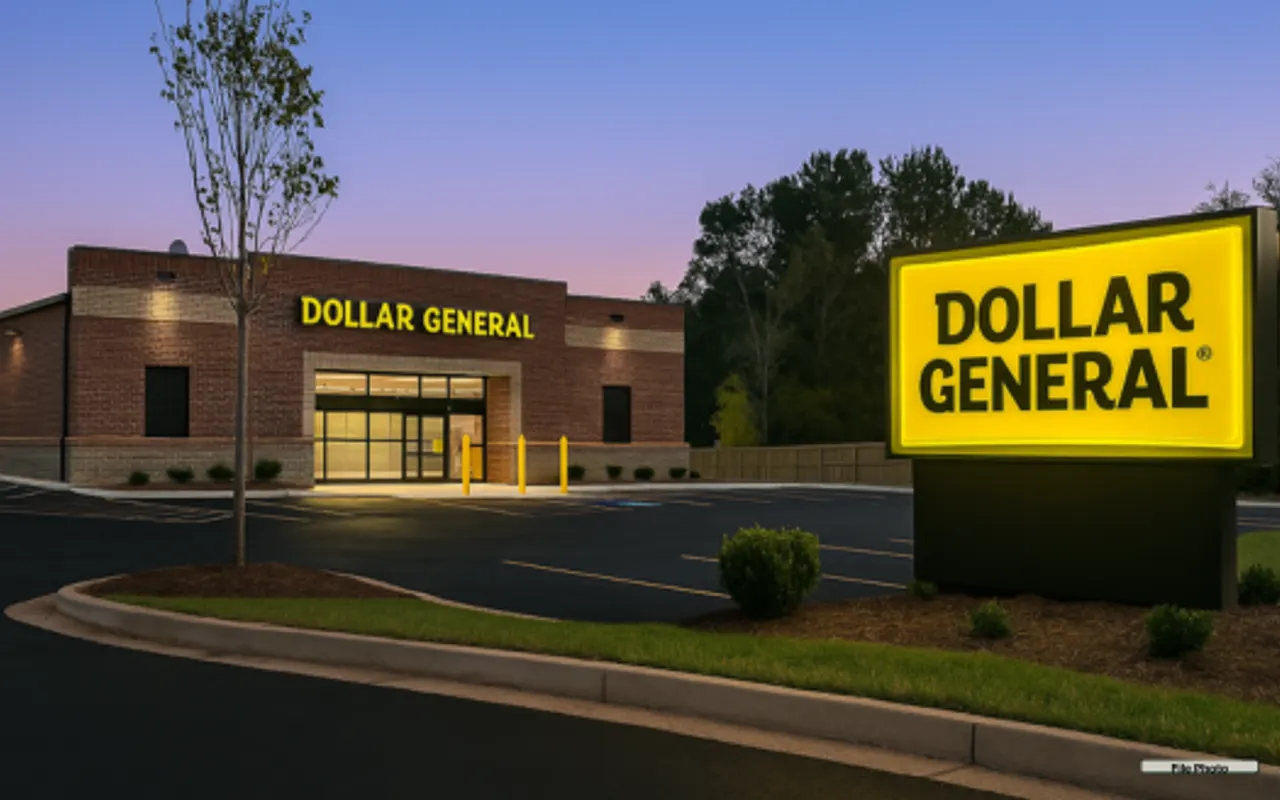
Dollar General NNN Properties for Sale
Dollar General is the volume workhorse of 1031 identification lists: about 20,000 stores, a new-store pipeline that has run for three decades, and more NNN listings at any given moment than any other single tenant in America. The combination of BBB corporate credit and 6.5–8% cap rates makes the value proposition obvious — and the dispersion between a good DG deal and a bad one makes broker-side underwriting genuinely valuable.
Quick Facts
- Typical cap range
- 6.50–8.00%
- Lease type
- Absolute NNN (new prototype)
- Typical term
- 15 yr
- Credit
- Corporate — investment grade; S&P BBB and Moody's Baa3 as of Q3 2026
- Guarantee
- Dolgencorp, LLC / Dollar General Corporation
Dollar General Listings
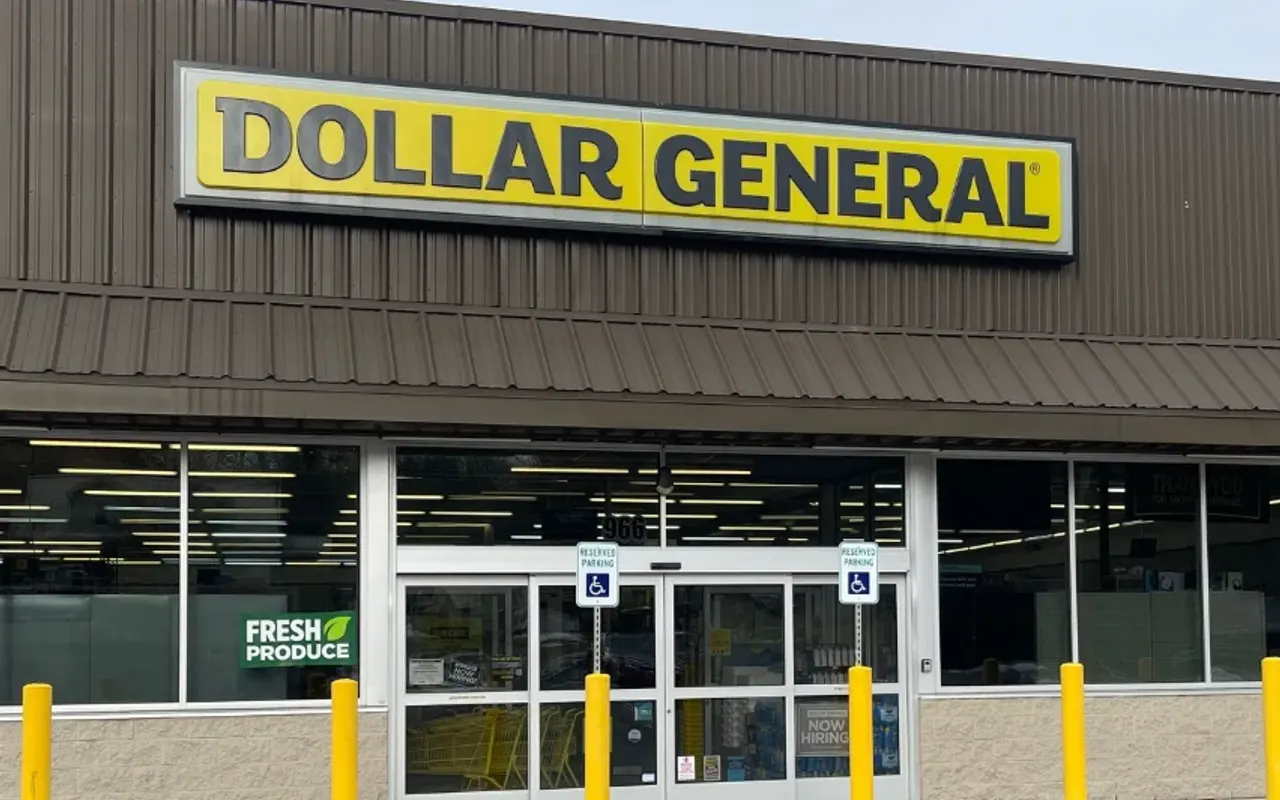
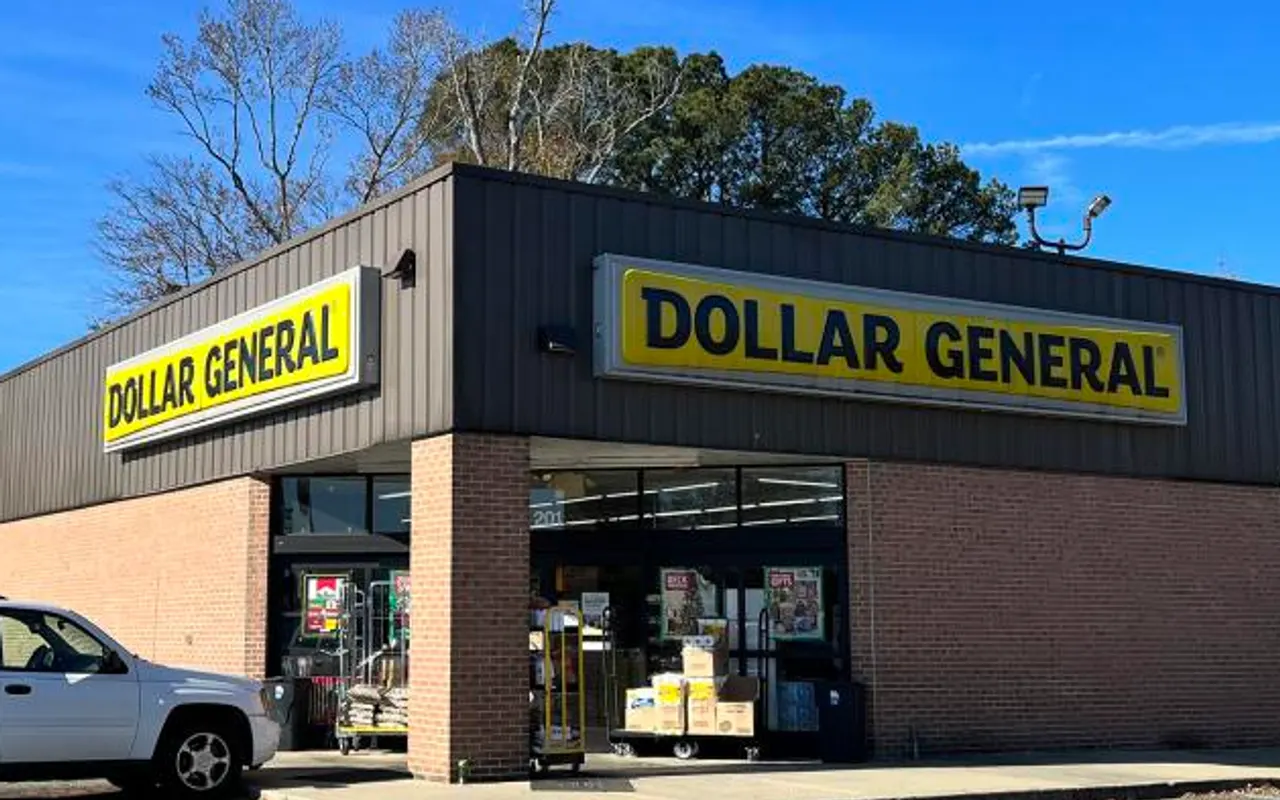
Listing information is deemed reliable but not guaranteed — pricing, cap rates, and lease terms are subject to change, prior sale, or withdrawal without notice.
Get off-market Dollar General deals
Lease structure
The current standard: 15-year absolute-net primary term, four or five 5-year options with 10% steps, flat rent until the options begin. Tenant obligations include roof, structure, parking, and systems — the landlord's job is depositing rent. Older vintages differ materially (see FAQs), and the market also carries relocation-store leases, DG Market grocery-format deals up to 16,000 square feet, and the small-town "DGX" variant. Each format prices differently; the 9,100-square-foot standard prototype is the liquid benchmark.
Credit and guarantee
Dollar General Corporation (NYSE: DG) guarantees through its Dolgencorp operating entity — rated BBB by S&P and Baa3 by Moody's (Q3 2026, re-confirm at contract), roughly $40B in annual revenue, and a customer base that trades down toward the chain in bad economies. Same-store sales stayed positive through 2008, 2020, and the 2022–24 inflation squeeze. Credit is the stable variable in every DG deal; real estate is the moving one.
What drives cap rates
Lease vintage and structure lead (absolute-net 15-year paper versus NN leftovers), then term remaining, then market quality measured in Walmart drive-times and county growth. Geography adds its own layer: identical stores trade 50–75 basis points apart between 1031-heavy Sunbelt states and the upper Midwest, purely on buyer demand. Newer builds command premiums for construction quality — post-2020 prototypes with higher ceilings and cooler sections signal corporate's long-term intent for the site.
Buyer criteria and red flags
Buy the standard prototype on the main artery with 12+ years of term, confirm absolute-net language against the actual lease document, and check the rent against $8–12 per foot norms. Red flags: a second DG within a few miles (the chain will happily cannibalize its own aging site), sale-leaseback rent set above $13 per foot, metal buildings from the 1990s marketed on option-period hope, and towns whose sole employer announced a closure since the store opened. The FDIC gives you bank deposits; for DG towns, the county's own budget documents and school enrollment trends are the equivalent tell.
How Dollar General compares
Dollar Tree offers stronger suburban real estate with shorter typical terms; Family Dollar trades wider on its post-2025 private-equity ownership and store-level variance. The more interesting cross-shop is Tractor Supply — the same rural-America thesis expressed through a larger box, longer investment-grade lease, and lower cap rate. DG remains the sector's liquidity standard: whatever you pay going in, the exit market is the deepest in rural net lease.
Dollar General NNN FAQs
Why can I get investment-grade Dollar General credit at a 7% cap?
You're being paid for the dirt, not the debtor. The guarantee is BBB corporate paper from a 20,000-store chain — but the building is a metal-frame box in a town of 3,500 where no second national tenant is waiting. The yield premium over a Starbucks or McDonald's is entirely re-lease risk. If the tenant performs for 15 years, the credit was identical; the market just made you 250 basis points richer for holding rural real estate.
What is the difference between old and new Dollar General leases?
Everything that matters. Post-2012 prototype deals are 15-year absolute-net — tenant replaces the roof, repaves the lot, handles structure. Earlier paper is often 10-year NN with landlord roof and structure on buildings now past their second decade. The market prices the difference at roughly 50 basis points; the roof bid you'll eventually get prices it more vividly. Always confirm which lease form you're buying.
Are flat rents during the base term a dealbreaker?
They're a known cost, not a hidden one. Standard DG leases run flat for the 15-year primary term with 10% bumps in each option. Your inflation protection is the going-in yield itself — which is why paying a sub-6 cap for a standard rural DG rarely makes sense. The exception: the newer 'DGX' urban and 'DG Market' grocery formats occasionally carry base-term escalations worth paying up for.
How do I evaluate a Dollar General town I've never heard of?
Measure gravity, not population. Drive-time to the nearest Walmart Supercenter (15+ minutes is the moat), the store's position on the through-road that carries the county's traffic, and how many competing dollar banners share the trade area. Corporate's site model already validated the town once — your job is confirming nothing changed and the chain didn't later open a second store three miles down the same highway.
What happens if Dollar General leaves at year 15?
Plan for it going in. Realistic backfills — regional discount chains, farm-supply, auto parts, county services — pay $4–7 per square foot against DG's typical $8–12. That's the arithmetic behind the cap-rate premium, and it's why basis matters: at $135 per foot all-in on a 9,100-foot building, a 40% rent haircut still leaves a functioning investment. At $210 per foot, it doesn't.
Keep Exploring
Browse
Sector
States with Inventory
Run the Numbers
Latest Insights
Buying a Dollar General? Get every matching deal — on and off market.
Free buyer representation. No obligation. Reply within 24 hours.