
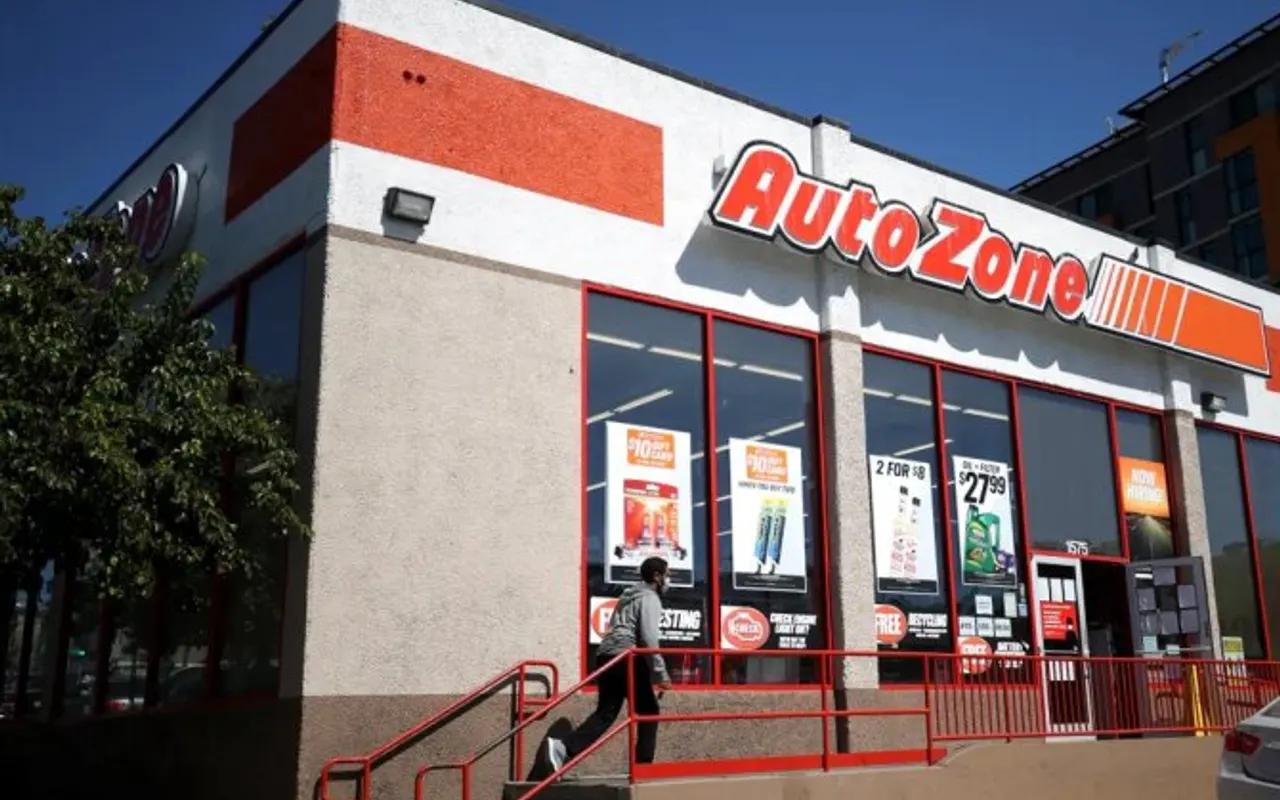
AutoZone NNN Properties for Sale
AutoZone is the simplest strong-credit purchase in net lease: one corporate guarantee across 6,500+ U.S. stores, a BBB balance sheet built on 30+ years of same-store growth, and a business — parts for out-of-warranty vehicles — that improves when the economy sours. Deals price between dollar-store yields and QSR premiums, and the underwriting complexity concentrates in exactly one place: the lease's maintenance article.
Quick Facts
- Typical cap range
- 5.00–6.25%
- Lease type
- NN/NNN — verify roof & structure per lease
- Typical term
- 10–15 yr
- Credit
- Corporate — investment grade (Moody's Baa1 / S&P BBB, as of Q3 2026)
- Guarantee
- AutoZone, Inc.
AutoZone Listings
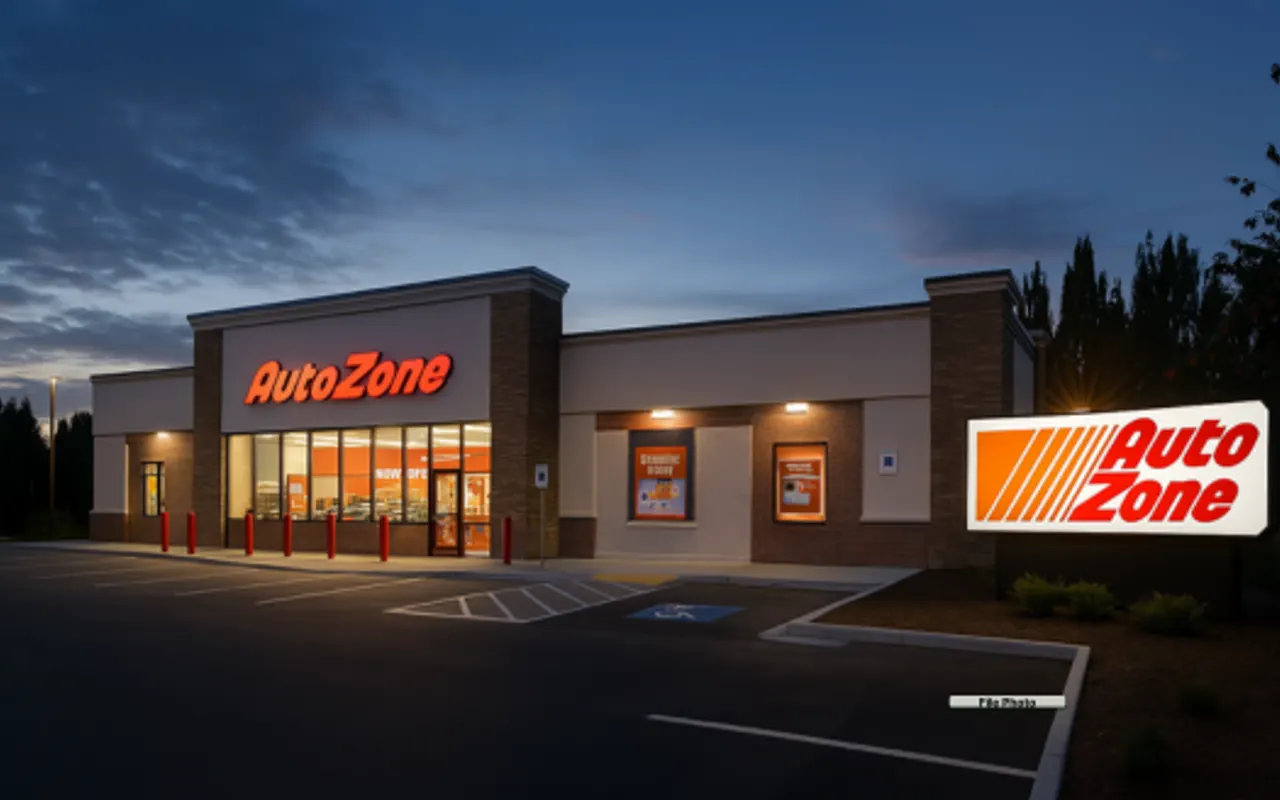
Listing information is deemed reliable but not guaranteed — pricing, cap rates, and lease terms are subject to change, prior sale, or withdrawal without notice.
Get off-market AutoZone deals
Lease structure
Typical paper runs 10–15 year initial terms with four to six 5-year options; escalations concentrate in options at 5–10% steps, with flat base terms common. The structural split defines pricing: legacy leases often leave roof and structure with the landlord (NN), while newer development and sale-leaseback paper trends absolute-net. Buildings are the chain's standard 6,500–7,400 square foot masonry prototype on 0.7–1 acre, cheap to maintain and cheaper to re-demise — among the most fungible boxes in freestanding retail.
Credit and guarantee
AutoZone, Inc. (NYSE: AZO): investment grade — Moody's Baa1, S&P BBB, as of Q3 2026 — ~$18B revenue, and a legendary buyback program that signals management's earnings confidence even as it keeps leverage purposeful. The DIY/commercial mix shift adds durability — commercial delivery revenue compounds through relationships, not foot traffic. No franchise layer exists to analyze. Credit review here takes minutes; spend the reclaimed hours on the roof inspection.
What drives cap rates
Lease structure first (NN versus NNN is the visible 25–50 basis point split), then term remaining, then market: Sunbelt 1031 demand compresses identical deals versus Midwest equivalents. Store-level factors are subtler than for restaurants — no sales-versus-rent drama at $10–14 per foot rents — so the marginal pricing variables become commercial-program status, building age and roof vintage, and corridor trajectory. New-build developer exits with 15-year absolute-net terms set the tight end of the range.
Buyer criteria and red flags
Read the actual maintenance and repair clauses; broker packages routinely label NN leases as NNN. Get roof age, warranty status, and any landlord capital history in diligence. Red flags are mercifully few: above-market rent from aggressive sale-leaseback pricing, flat-rent deals bid to caps that ignore the missing escalations, and corridors undergoing road reconfigurations that kill left-turn access — parts customers with a dead alternator don't make three rights. Otherwise, this tenant's risk story is mostly the one you can see from the parking lot.
How AutoZone compares
O'Reilly is the operational gold standard with similar credit and slightly tighter pricing — the choice between them is usually deal-specific rather than tenant-driven. Advance Auto Parts trades 100+ basis points wider on its restructuring story and weaker guarantee. Against Dollar General — the cross-sector comp at similar yields — AutoZone offers better boxes on better corridors with comparable credit; DG counters with longer fresh terms and more absolute-net paper. A portfolio holding both owns rural America's two most durable retail businesses.
AutoZone NNN FAQs
Is every AutoZone lease corporate-guaranteed?
Effectively yes — AutoZone doesn't franchise. All 6,500+ U.S. stores operate under AutoZone, Inc., a BBB-rated company with a five-decade record and one of retail's most consistent earnings streams. That uniformity makes AutoZone one of the simplest tenants in net lease to underwrite: no operator tiers, no signature-block surprises. Pricing differences between deals are almost entirely real estate and lease-structure differences.
What's the catch with AutoZone lease structures?
Roof and structure. A large share of AutoZone paper is 'NN' — the landlord keeps the shell while the tenant handles taxes, insurance, and operations. On a 7,000-square-foot flat-roof box, a membrane replacement runs $60–100K, which is real money against a $180K annual rent. True-NNN AutoZone deals exist and price 25–50 basis points tighter. Know which one you're bidding before you set the cap rate.
Why does AutoZone thrive in neighborhoods other retailers avoid?
Its customer is the aging car, and aging cars concentrate in working-class trade areas. AutoZone's site model targets dense corridors of 10+ year-old vehicles — markets where its counter traffic is need-based and recession-proof. For landlords this inverts the usual quality scan: a store on a B-grade urban corridor with heavy DIY demand can out-earn a suburban site, and the chain's near-zero closure rate proves the model across cycles.
How does AutoZone's commercial program affect a specific store's value?
It adds a second engine. Stores in the commercial program deliver parts to local repair shops — now roughly 30%+ of company revenue and growing — turning the box into a light distribution node with delivery vehicles and dedicated staff. Program stores are stickier: relocating breaks shop relationships measured in delivery minutes. Ask whether your store runs the program and how many commercial accounts it serves; it's disclosed more often than you'd expect.
Keep Exploring
Browse
Sector
Related Tenants
States with Inventory
Run the Numbers
Buying a AutoZone? Get every matching deal — on and off market.
Free buyer representation. No obligation. Reply within 24 hours.