
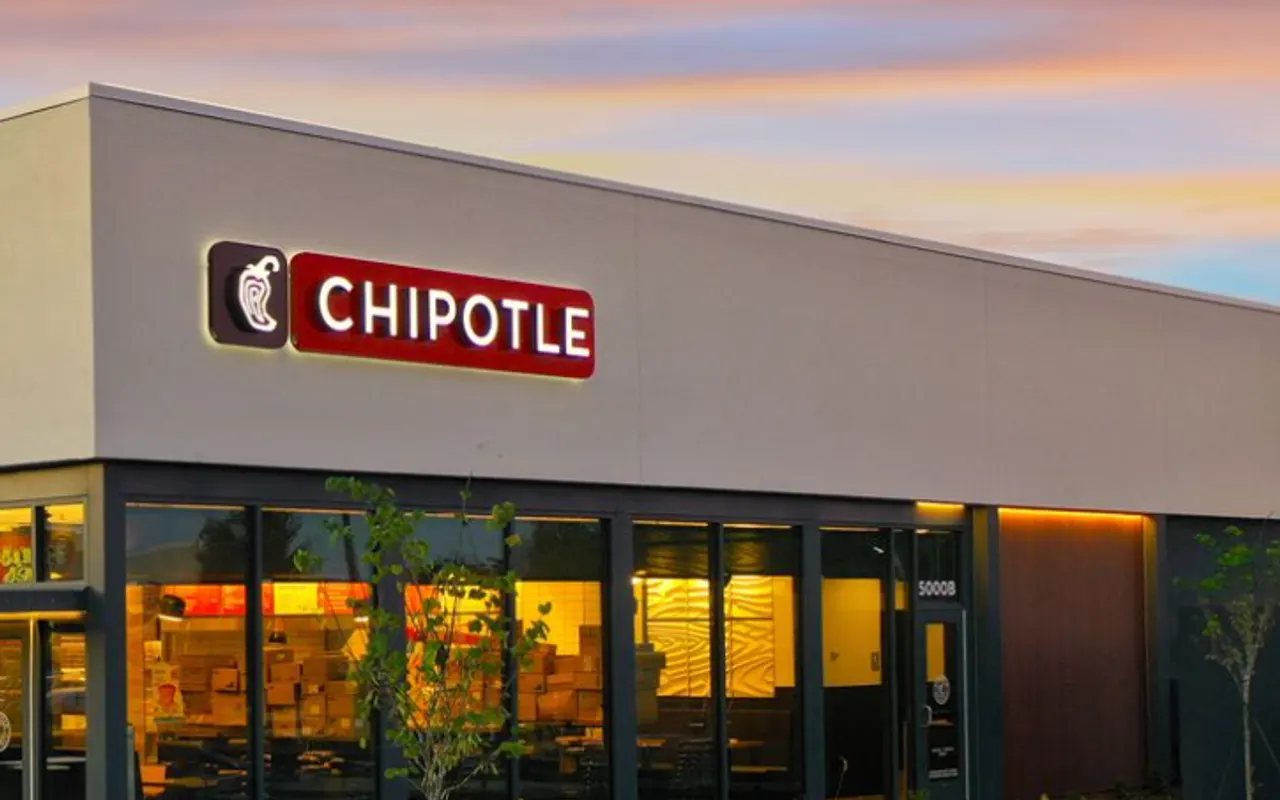
Chipotle NNN Properties for Sale
Chipotle is the newest member of net lease's corporate-credit aristocracy: a wholly company-operated chain whose 300+ annual new builds — most with Chipotlane pickup windows on freestanding pads — created a supply of fresh 15-year corporate paper that barely existed before 2020. For buyers priced out of Chick-fil-A and tired of McDonald's scarcity, it became the growth-credit answer.
Quick Facts
- Typical cap range
- 4.75–5.75%
- Lease type
- NNN (landlord roof/structure common)
- Typical term
- 15 yr
- Credit
- Corporate — 100% company-owned, zero franchising; unrated
- Guarantee
- Chipotle Mexican Grill, Inc.
Chipotle Listings
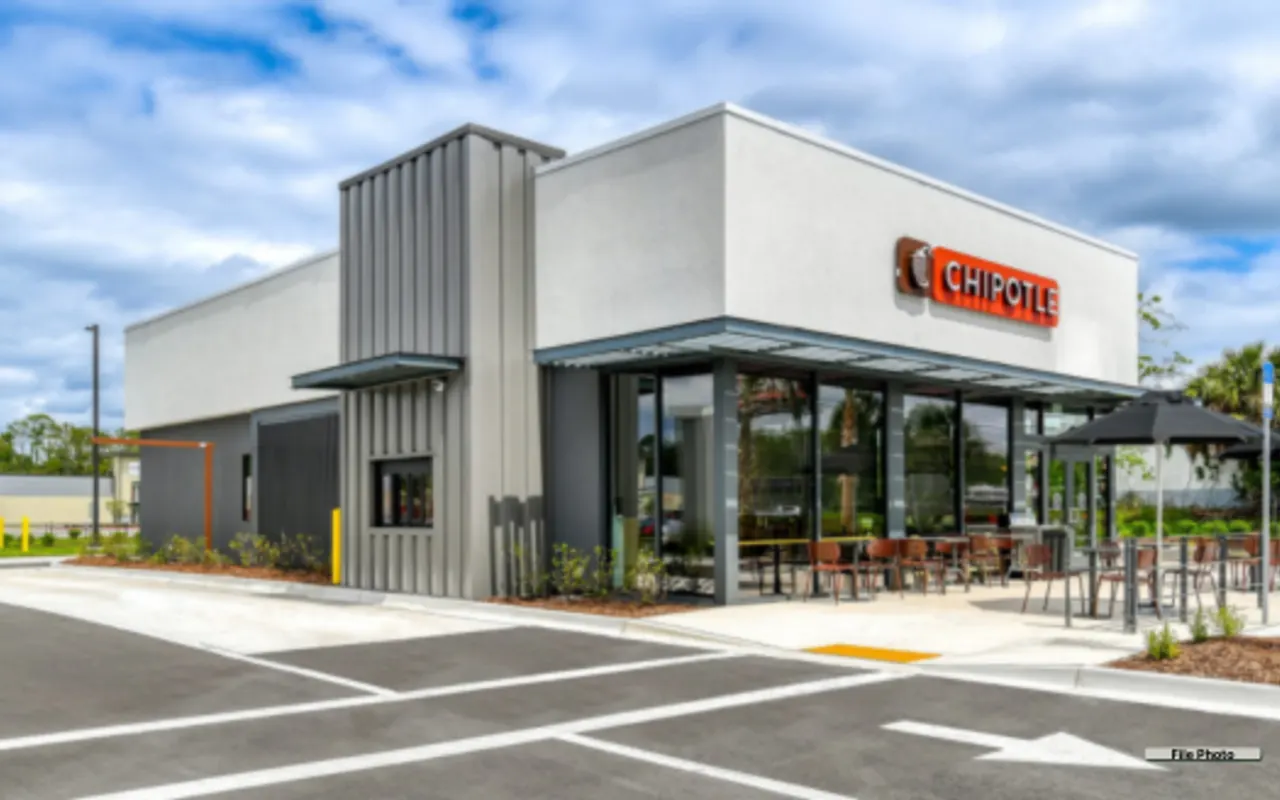
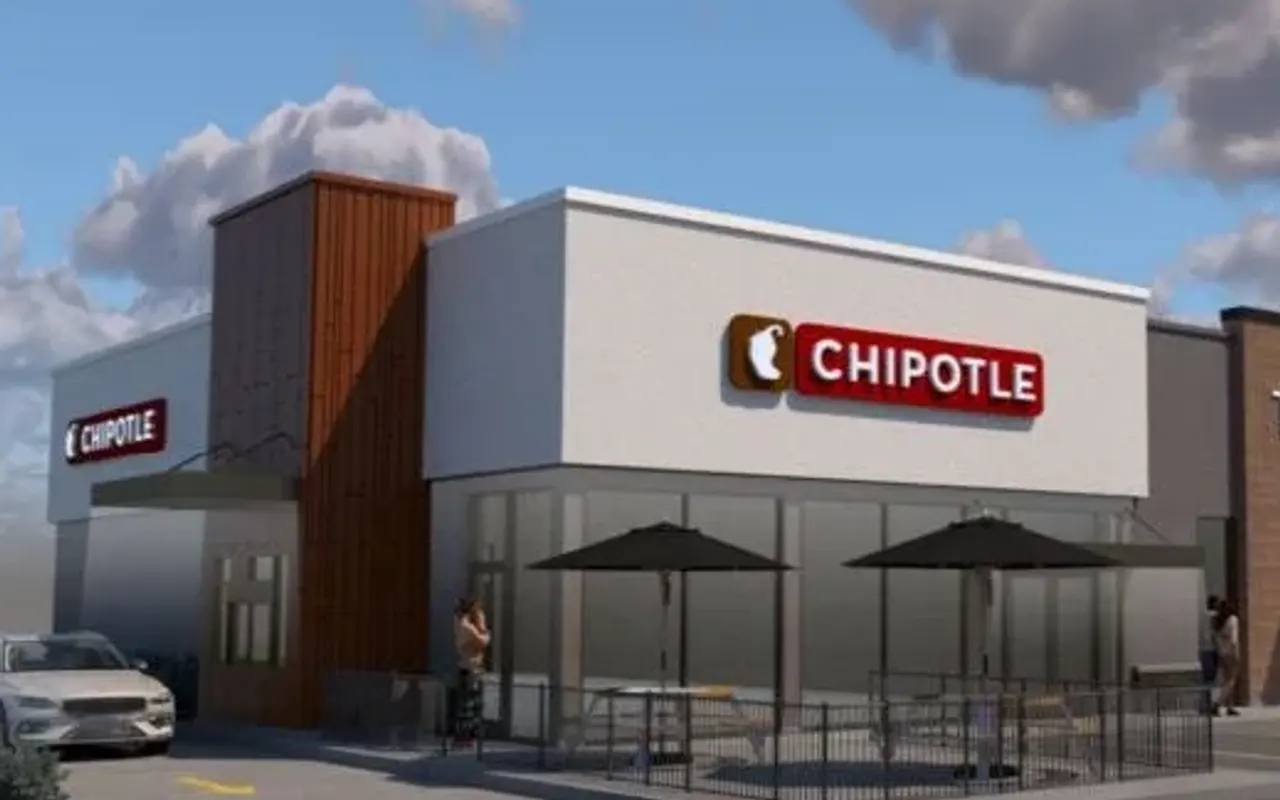
Listing information is deemed reliable but not guaranteed — pricing, cap rates, and lease terms are subject to change, prior sale, or withdrawal without notice.
Get off-market Chipotle deals
Lease structure
Developer-exit deals define the market: 15-year initial terms (10 on some), two to four 5-year options, and 10% escalations every five years — a meaningful edge over the flat base terms common elsewhere in QSR. Structures are NNN with landlord roof-and-structure more often than absolute-net; Chipotle negotiates like the credit tenant it is. Buildings run 2,300–2,600 square feet on 0.8–1.2 acre pads, frequently co-developed beside Starbucks or in front of grocery anchors.
Credit and guarantee
Chipotle Mexican Grill, Inc. signs every lease — the chain has never franchised a domestic store, so the guarantee question that dominates Taco Bell or KFC underwriting simply doesn't exist. Financially: restaurant-industry-leading unit margins (25%+ at store level), $3M+ average unit volumes, and net-cash balance sheet discipline — unrated by the agencies, so the fundamentals are the credit file. The credit story's only soft spot is maturity: this is a growth company's paper, with a growth company's occasional turbulence, rather than a 70-year incumbent's.
What drives cap rates
Format is the pricing fulcrum — freestanding Chipotlane pads trade in the high 4s to low 5s while inline space runs wider with thinner buyer depth. Term freshness matters (the market is full of year-zero deals, so year-8 resales compete uphill), followed by escalation schedule, co-tenancy quality on multi-pad developments, and rent level: new-build rents of $40–55 per foot assume Chipotle-grade volumes, so the re-lease haircut math deserves the same honesty a Starbucks deal gets.
Buyer criteria and red flags
Buy the pad, confirm the roof allocation, and check who owns the parcel's drainage and access easements on co-developed sites — shared-pad legal structures occasionally hide reciprocal obligations. Verify escalations (a few early Chipotlane deals ran flat) and the store's opening date: a pad sold before the restaurant opens carries lease-commencement conditions worth reading twice. Red flags: inline space priced as pads, condo-interest structures marketed as fee simple, and trade areas where the chain opened two Chipotlanes within a mile — it happens in its densification markets, and one of them is the experiment.
How Chipotle compares
Against Starbucks, its frequent next-door neighbor: five extra years of base term and stronger escalations, versus the coffee giant's longer operating history — the pair splits hairs, and many buyers hold both. Against Chick-fil-A: Chipotle is the accessible version of the same corporate-quality thesis, 75–100 basis points cheaper with far more inventory. Against McDonald's: ground-lease permanence versus growth-credit freshness. In the corporate-QSR trilogy, Chipotle is the one you can actually buy this quarter.
Chipotle NNN FAQs
Why are Chipotle deals suddenly everywhere in net lease?
The drive-thru pivot met the development cycle. Chipotle committed to 7,000+ North American stores (from ~3,800 today) with most new builds featuring a 'Chipotlane' pickup window on freestanding pads — the exact product net lease developers build and sell. Hundreds of 15-year corporate deals now reach the market yearly as developer exits, making Chipotle one of the freshest-term corporate tenants a 1031 buyer can find.
Is a Chipotlane really a drive-thru in the traditional sense?
No — and it matters for real estate value. Chipotlanes serve digital-order pickup only; there's no menu board or order-taking lane. That halves the stacking-depth requirement but also means the infrastructure is lighter than a McDonald's-grade lane. For re-tenanting, a Chipotlane pad converts easily to coffee or fast-casual pickup formats, though a full QSR would need lane reconstruction. Value it as premium pad real estate, not full drive-thru infrastructure.
How strong is Chipotle's guarantee compared to other QSR corporates?
Among the strongest growth credits in restaurants: 100% company-owned (zero franchise risk by construction), $11B+ revenue, industry-leading margins, and essentially no debt on the balance sheet for most of its history. Chipotle carries no agency rating, so underwriting leans on those observable fundamentals. The 2024 leadership change and comp-traffic softness in 2025 injected normal-company volatility into a stock that priced perfection, but lease-paying capacity was never in question.
What's the biggest underwriting mistake buyers make on Chipotle?
Paying drive-thru-QSR caps for inline space. Half the chain's fleet is endcap and inline restaurant space in strip centers — fine businesses, but real estate with none of the pad site's residual advantages. The freestanding Chipotlane pad at a 5% cap and the inline endcap at the same price are very different investments. Confirm format, parcel status, and whether you own dirt or a condo interest in someone's center.
Keep Exploring
Browse
States with Inventory
Run the Numbers
Latest Insights
Buying a Chipotle? Get every matching deal — on and off market.
Free buyer representation. No obligation. Reply within 24 hours.