
Florida NNN Properties for Sale
Florida is the center of gravity in the national NNN market: the state where 1031 money lands. No income tax on rental cash flow, twenty-plus years of relentless in-migration, and a development pipeline that keeps minting fresh corporate leases have made it the default identification for exchange buyers from every high-tax state — and the market's pricing reflects exactly that.
Market Facts
- State income tax
- None
- Population trend
- Strong net in-migration
- Cap spread vs national
- Typically inside national averages
- Top metros
- MIAMI · TAMPA · ORLANDO
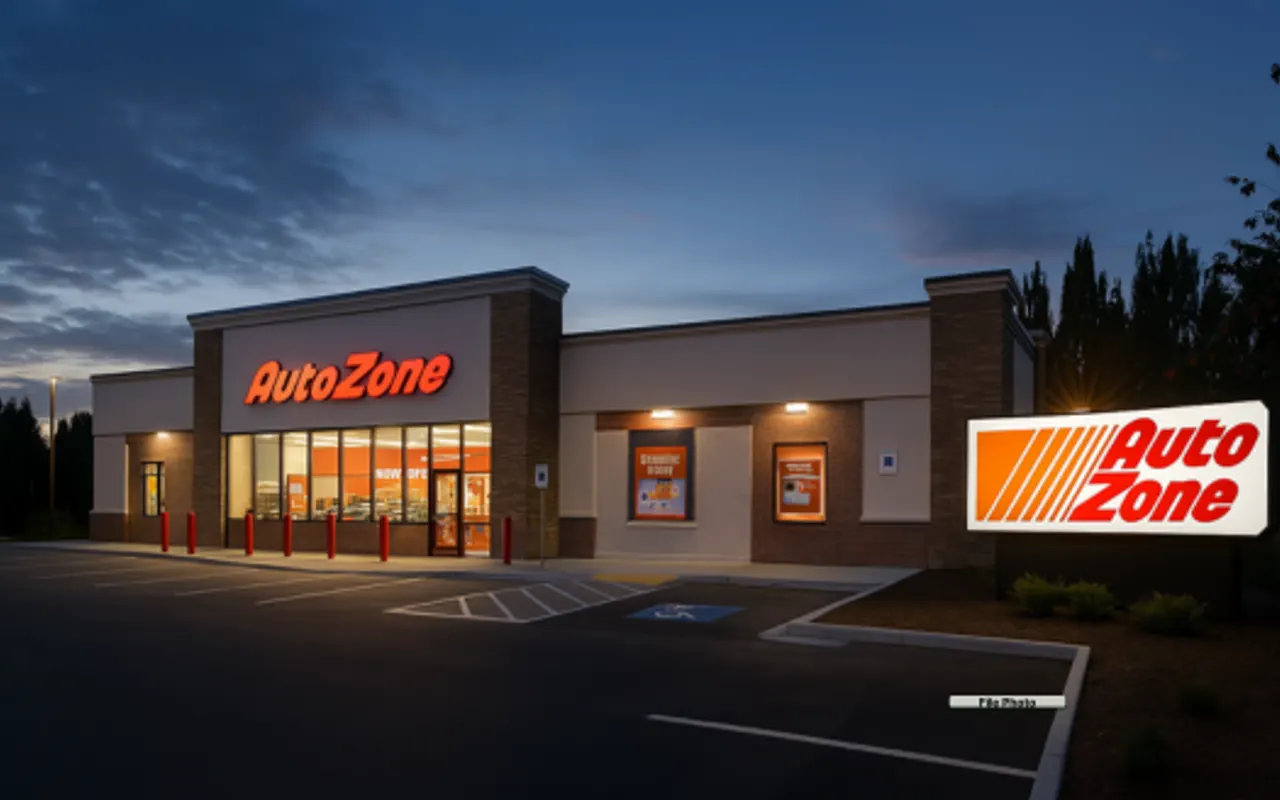
Florida Listings

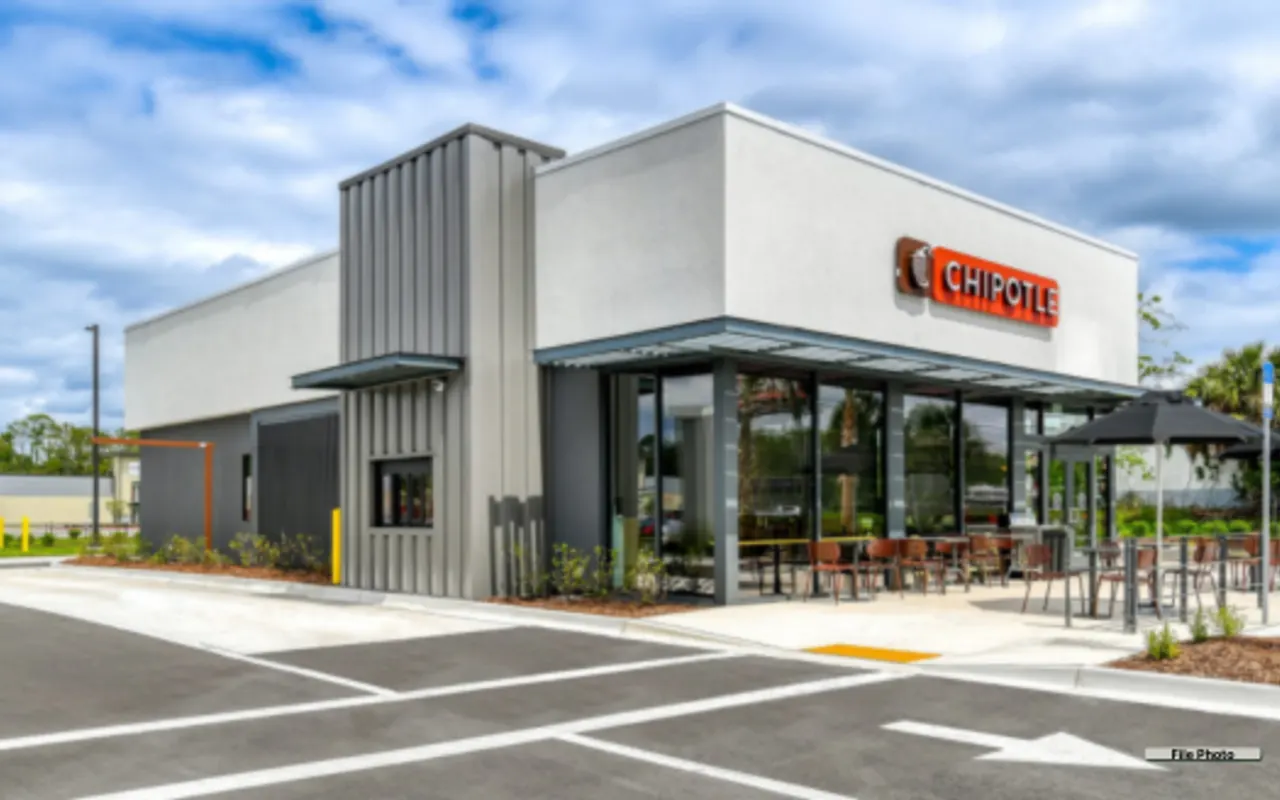
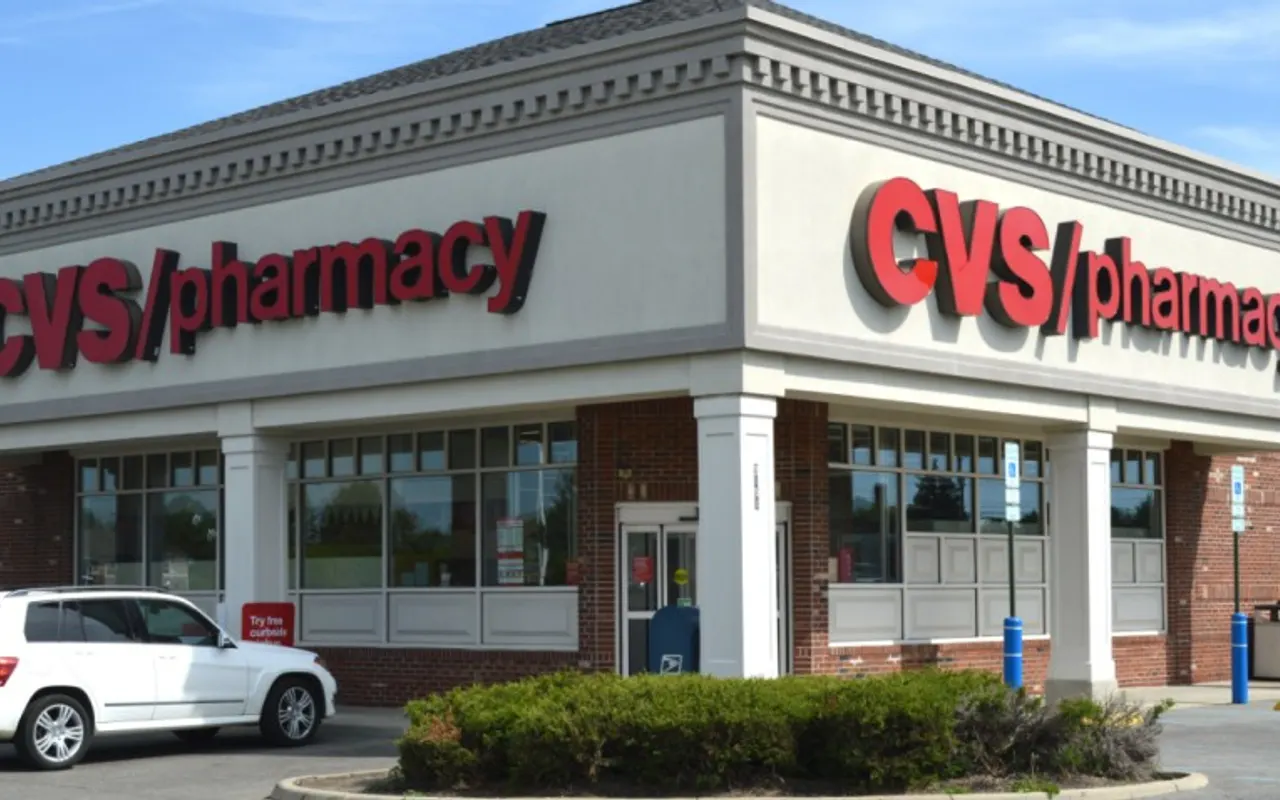

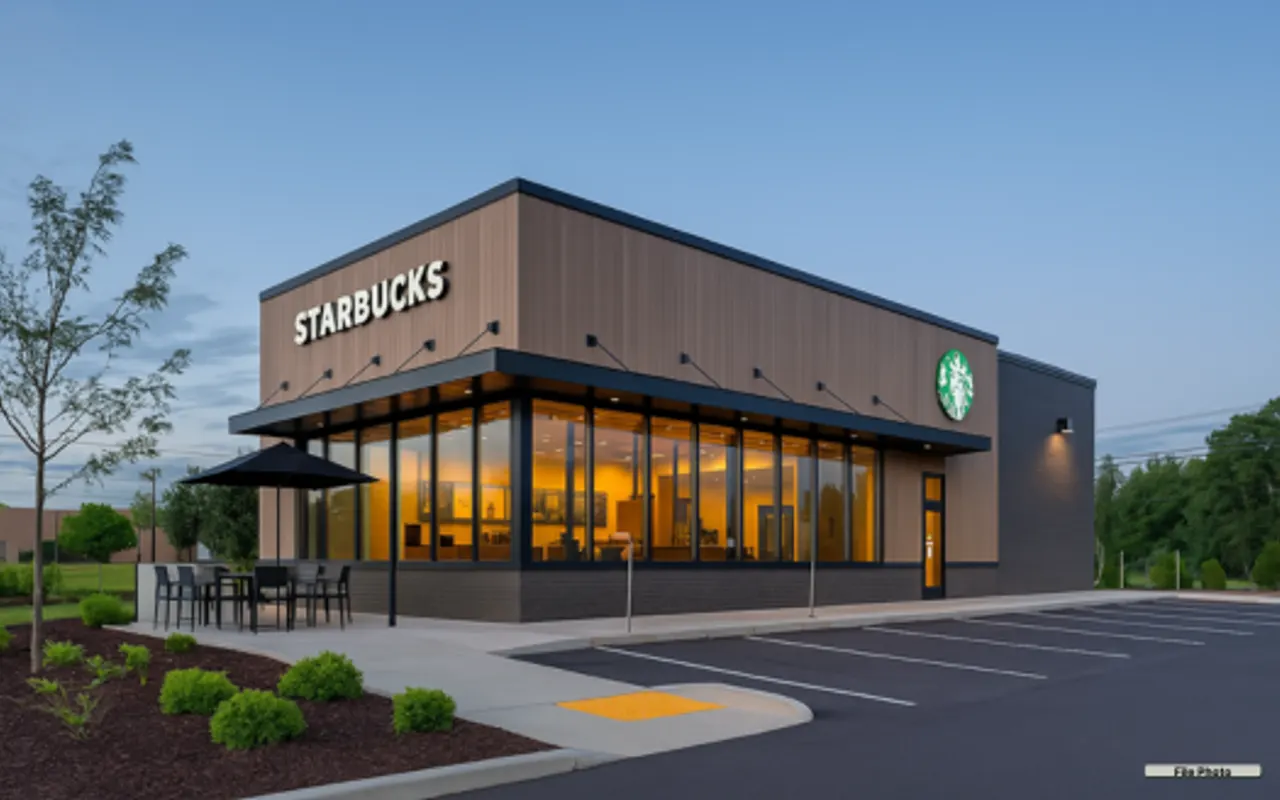
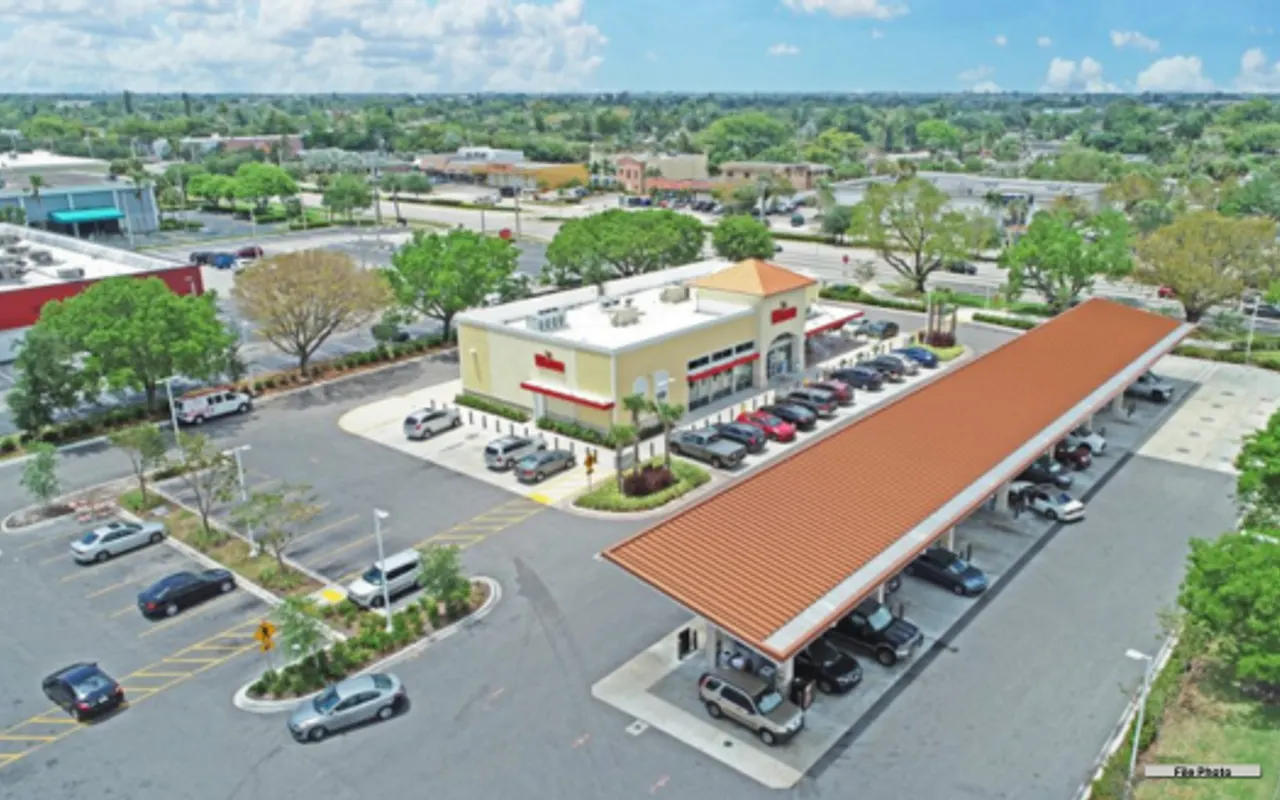
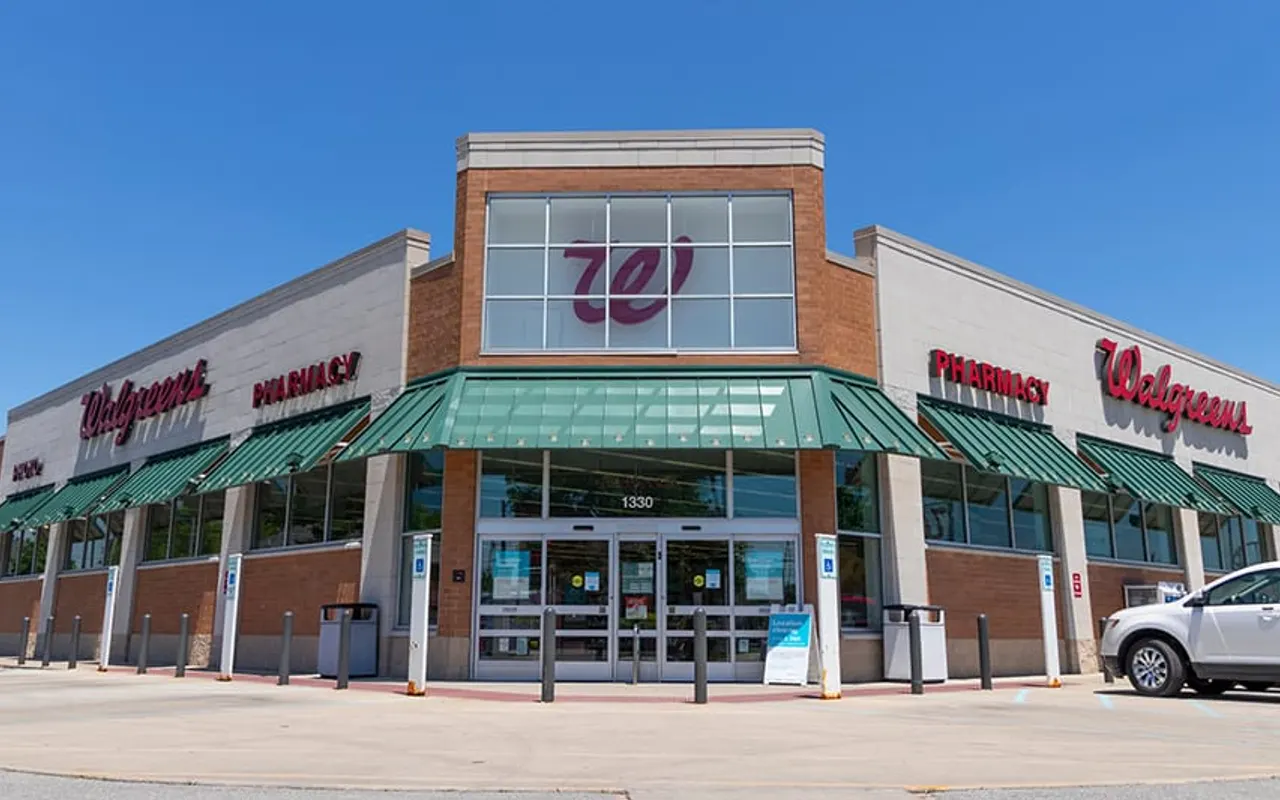

Listing information is deemed reliable but not guaranteed — pricing, cap rates, and lease terms are subject to change, prior sale, or withdrawal without notice.
Get off-market Florida deals
Why Florida for NNN
The rent you collect is the rent you keep: Florida levies no personal income tax, so an individual owner's 6% cap rate nets what a 6% cap should (state-level; federal taxes apply to everyone). Demand fundamentals compound the tax story — the state has added residents at among the fastest absolute rates in the country, and every 1,000 new households pulls national tenants deeper into its suburbs. For landlords, that migration is tenant-demand insurance: the customer base under your lease grows while you hold.
Top metros
Tampa and Orlando anchor the I-4 corridor, the state's most active net lease development zone — QSR pads, c-stores, and dollar-format growth track the corridor's housing starts. Miami–Fort Lauderdale trades tightest: land scarcity plus international capital push South Florida caps below even the state's premium norm. Jacksonville offers the value entry among majors, with Georgia-adjacent pricing and genuine growth. The Southwest coast — Fort Myers, Naples, Sarasota — runs on retiree wealth and rebuilt-post-Ian corridors, while Space Coast growth (Palm Bay–Melbourne) rides the aerospace economy.
Tax and 1031 notes
Florida's appeal to exchangers goes past the income-tax zero: no state-level capital gains tax on your eventual sale, straightforward documentary-stamp costs you can model precisely, and a deep qualified-intermediary and closing infrastructure accustomed to 45-day timelines. Out-of-state exchangers should note Florida's tangible personal property tax (trivial on most NNN deals) and rising insurance costs that pressure tenants' occupancy economics on gross-adjacent leases — one more reason absolute-net paper dominates buyer preference here.
Active tenants here
Wawa made Florida its expansion flagship; 7-Eleven holds the incumbent c-store position. McDonald's, Starbucks, and Chipotle supply the corporate-QSR tier across every metro, while Dollar General blankets the interior counties and Walgreens and CVS hold the state's dense retiree-driven pharmacy corners.
Florida NNN FAQs
Why is Florida the busiest NNN market for 1031 buyers?
It stacks every 1031 motivation in one state: no personal income tax on the rent, population growth that keeps replacing tenants' customers, landlord-friendly law, and enough new construction — Wawa alone has opened 300+ stores since 2012 — to supply fresh 15–20 year leases in every price band. Sellers exiting California and Northeast rentals disproportionately identify Florida replacements, which keeps competition sharp and marketing periods short.
Do Florida NNN properties really trade at premium pricing?
Consistently. Identical tenant-and-term deals price 25–50 basis points tighter in Florida than the national average because buyer demand concentrates here (we check the current spread against live comps at offer time). The premium is real but rational — you're paying for tax-free rent, growth demographics, and exit liquidity. The mistake is paying the Florida premium for a weak trade area that happens to hold a Florida address.
How does hurricane exposure affect NNN ownership here?
On absolute-net leases the tenant carries property insurance, windstorm included — your direct exposure is structural only where the lease leaves roof or structure with the landlord, and rebuilding obligations follow the lease's casualty article. Underwrite three things: the casualty clause's termination rights, whether insurance costs are pushing tenant occupancy costs up (they are, sharply, since 2022), and elevation/flood-zone status for financing. Wind never misses the paperwork.
Which Florida corridors are strongest for net lease right now?
The I-4 spine (Tampa–Orlando) and the Southwest coast (Fort Myers–Naples–Sarasota) lead for new-build QSR and c-store development; Jacksonville's northeast quadrant and the Space Coast add growth at friendlier price points; South Florida remains the priciest, supply-constrained end. Sub-markets shift quarterly with development pipelines — current corridor intel is half of what a buy-side broker is for.
Keep Exploring
Browse
Neighboring States
Active Tenants Here
Run the Numbers
Buying in Florida? Tell us your criteria — we'll send matching deals.
Free buyer representation. No obligation. Reply within 24 hours.