
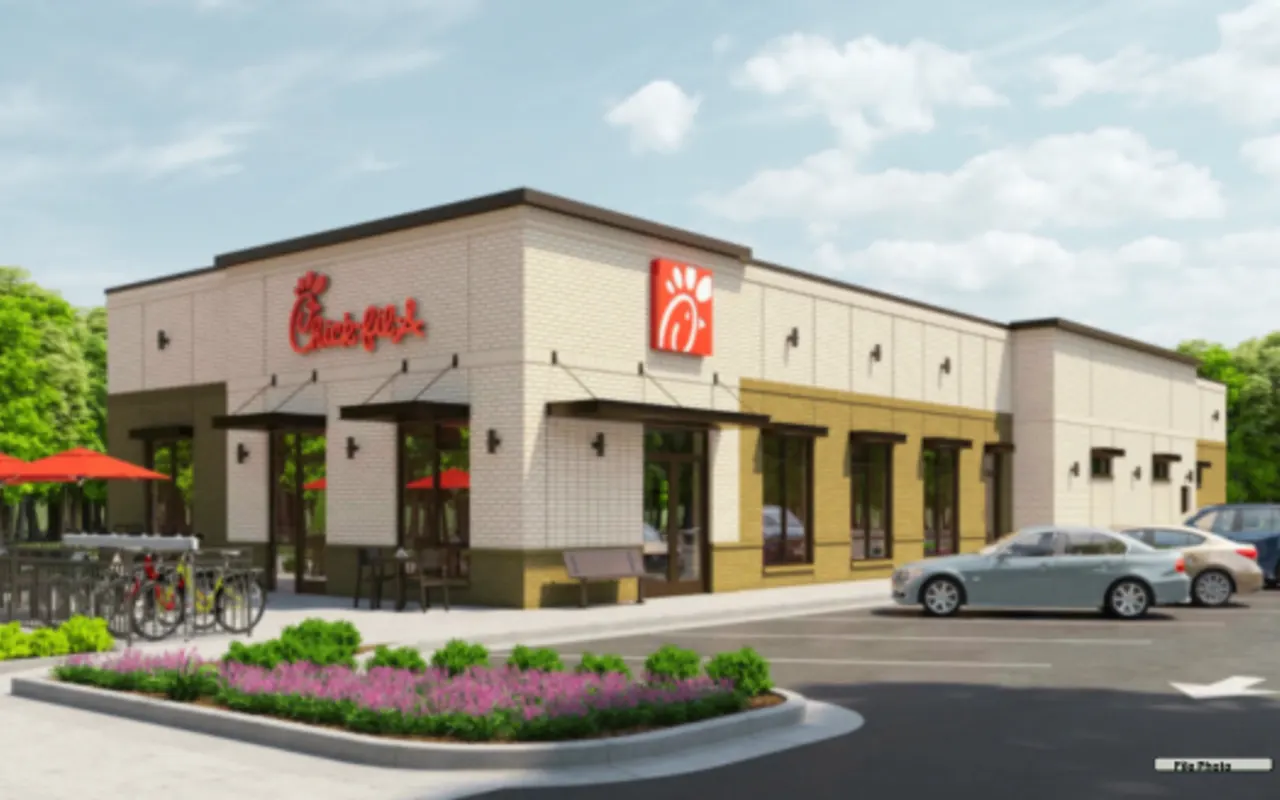
Chick-fil-A NNN Properties for Sale
Chick-fil-A is the scarcest institutional-grade tenant in net lease. Around 3,000 U.S. restaurants — fewer than a quarter of McDonald's count — producing the highest per-unit sales in the industry while closed every Sunday, and a corporate real estate strategy that keeps most sites off the market permanently. When one trades, it sets the low-cap benchmark for its metro almost every time.
Quick Facts
- Typical cap range
- 3.90–5.00%
- Lease type
- Ground lease (typ.)
- Typical term
- 15 yr
- Credit
- Corporate — private and unrated; famously conservative balance sheet
- Guarantee
- Chick-fil-A, Inc.
Chick-fil-A Listings
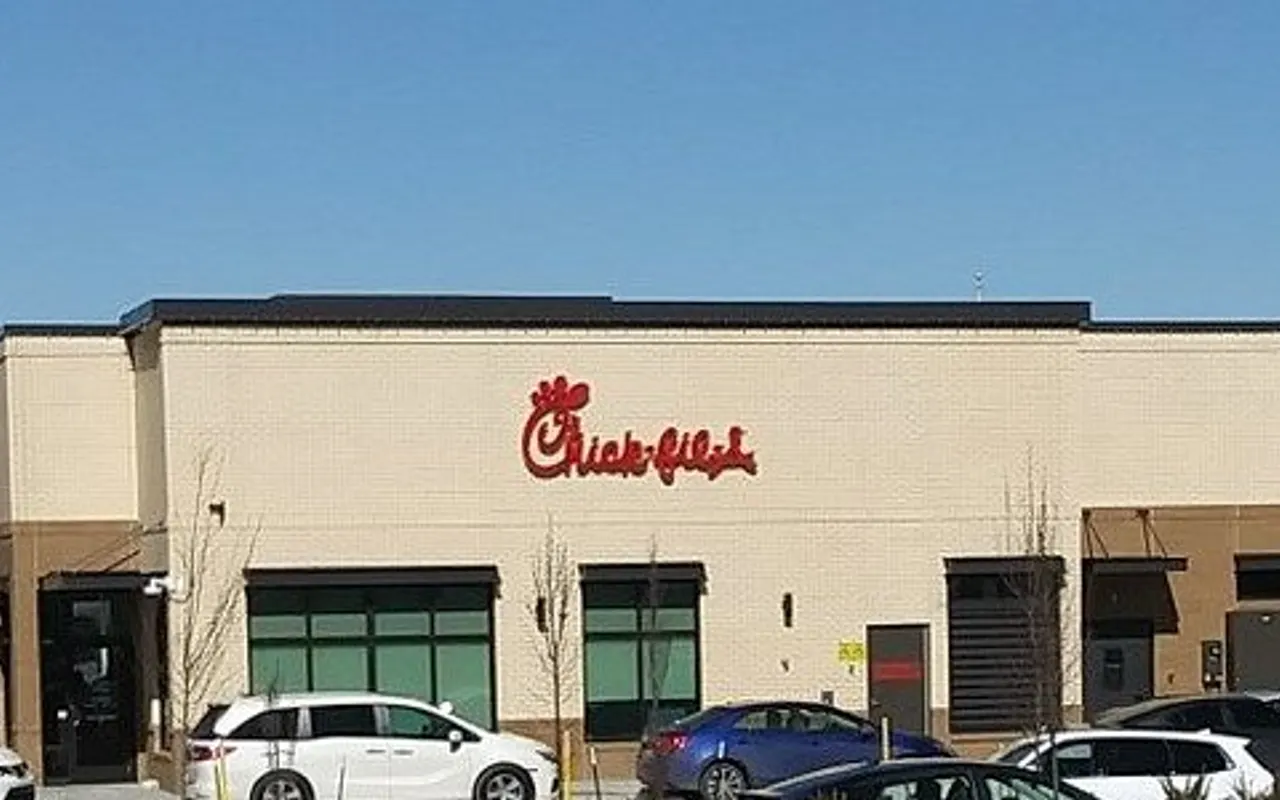
Listing information is deemed reliable but not guaranteed — pricing, cap rates, and lease terms are subject to change, prior sale, or withdrawal without notice.
Get off-market Chick-fil-A deals
Lease structure
Ground leases dominate the tradeable supply: 15-year base terms, absolute-net obligations, options stretching 20+ additional years, and 10% rent steps every five years. The company builds its own store — typically the current dual-lane drive-thru prototype with canopy service — and hands the landowner nothing to manage. Fee-simple offerings show up mainly as developer exits on new builds; they carry the same lease discipline with the building included, pricing 25–50 basis points wider than comparable ground leases.
Credit and guarantee
The lease signer is Chick-fil-A, Inc. of Atlanta — private, family-controlled, and unrated because it has no public debt to rate. Underwriting substitutes operating evidence for a rating: systemwide sales that passed $21 billion, average freestanding volumes above $6M (with drive-thru-only units higher still), and a franchise model where the company owns or controls the real estate and equipment while operators run single locations. There is no franchisee-credit tier to analyze; every deal is corporate paper by construction.
What drives cap rates
Store-level sales relative to the chain average matter more here than for any other QSR tenant, because pricing already assumes excellence. A confirmed $7M-volume store with fresh 15-year paper on a regional retail corner can print in the high 3s; an early-generation store with a single lane and eight years to its next option decision trades toward 5%. Escalation cadence, remodel vintage (the chain reinvests aggressively), and whether the offering is ground lease or fee simple complete the picture.
Buyer criteria and red flags
Ask for what the marketing package usually omits: any disclosed sales figures, drive-thru configuration (dual-lane conversions signal corporate commitment), and permit history within the trade area for a potential relocation site — the company does occasionally move a store half a mile to a superior corner, and the old lease keeps paying while the value story changes. Verify escalations continue through options rather than resetting flat. Rent basis is rarely a problem at this tenant's sales levels, but a $200K rent on a legacy low-volume site still deserves the division test against local comps.
How Chick-fil-A compares
McDonald's is the natural comp — similar structures, similar caps, with McDonald's offering a rated public guarantee versus Chick-fil-A's superior unit economics. Against chicken-segment rivals the contrast is credit architecture: Popeyes and KFC deals ride franchisee guarantees at 150–250 basis points wider. The honest summary: you pay the lowest yield in the sector for the tenant least likely to ever give the keys back.
Chick-fil-A NNN FAQs
Why is Chick-fil-A inventory so hard to find?
The company prefers owning its real estate and ground-leases only where sellers won't part with land — so the tradeable universe was small the day it was built. Add unit volumes exceeding $6M per freestanding store (the highest in U.S. fast food) and owners who treat the income like a family utility, and annual trade volume across the whole country amounts to a trickle. Most deals sell through broker networks before public marketing.
Chick-fil-A is a private company — how do I underwrite credit with no rating?
Through performance you can verify: roughly $21B+ in systemwide sales, decades of uninterrupted growth, no franchise-network leverage (operators pay $10K to run, not own, their store), and unit economics that lap every competitor. Agencies don't rate it because it doesn't borrow publicly. The market's answer is visible in pricing — it trades tighter than most rated restaurant credits.
What does a typical Chick-fil-A ground lease look like?
Fifteen-year base terms with multiple 5-year options are the standard pattern, absolute-net, with 10% escalations at five-year marks — commonly continuing through the options. You own dirt; the tenant owns its building and everything that happens to it. The disciplined structure is part of why lenders quote their tightest net lease spreads on this tenant.
Is a sub-5 cap defensible when the lease is only 15 years?
The bet is renewal probability approaching certainty. Chick-fil-A closes almost nothing — its site failures are famously rare, and a store doing $6M through a single drive-thru lane isn't leaving a corner it already dominates. Buyers price that stickiness like extra term. If the specific store's volumes lag the chain average or the trade area is shifting, that logic weakens and the deal deserves a wider cap.
What happens at the end of all the options?
On most ground leases the improvements — building, canopy, site work — revert to the landowner. With Chick-fil-A the more common outcome is a renegotiated extension, often paired with the company remodeling at its own cost. Either branch favors you: renewed corporate income on fresh terms, or a debt-free building on a corner the strongest operator in QSR spent 20+ years proving.
Keep Exploring
Browse
States with Inventory
Run the Numbers
Buying a Chick-fil-A? Get every matching deal — on and off market.
Free buyer representation. No obligation. Reply within 24 hours.