
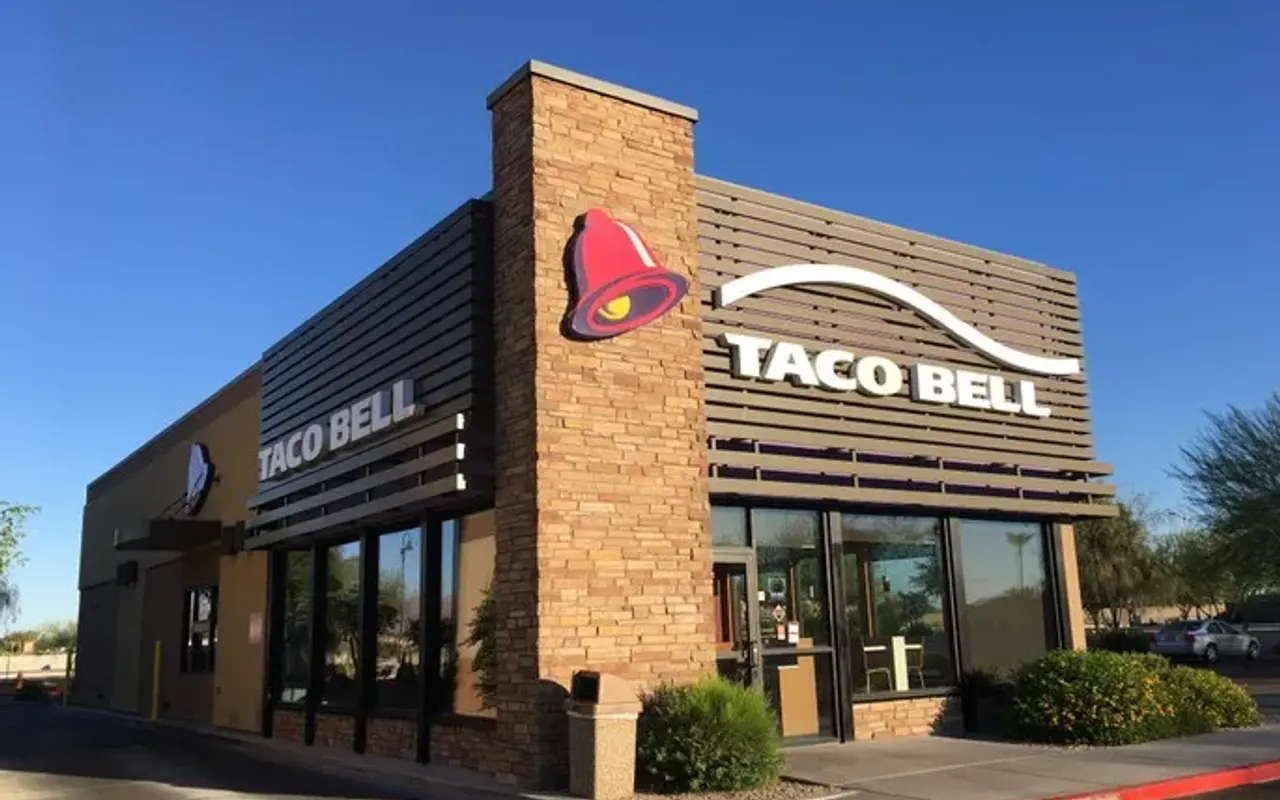
Taco Bell NNN Properties for Sale
Taco Bell is the franchise-paper blue chip: a brand with the strongest sustained performance in traditional QSR, sold to net lease buyers almost exclusively through franchisee guarantees. The cap-rate spread over corporate-signed burger deals — typically 100–150 basis points — is compensation for reading operator financials rather than a rating agency's letter grade. For buyers who do the work, it's the most consistent risk-premium harvest in the drive-thru sector.
Quick Facts
- Typical cap range
- 5.25–6.50%
- Lease type
- NNN (fee simple typ.)
- Typical term
- 15–20 yr
- Credit
- Franchisee-guaranteed (typ.) — underwrite the operator
- Guarantee
- Varies — franchisee entity; occasional corporate
Taco Bell Listings
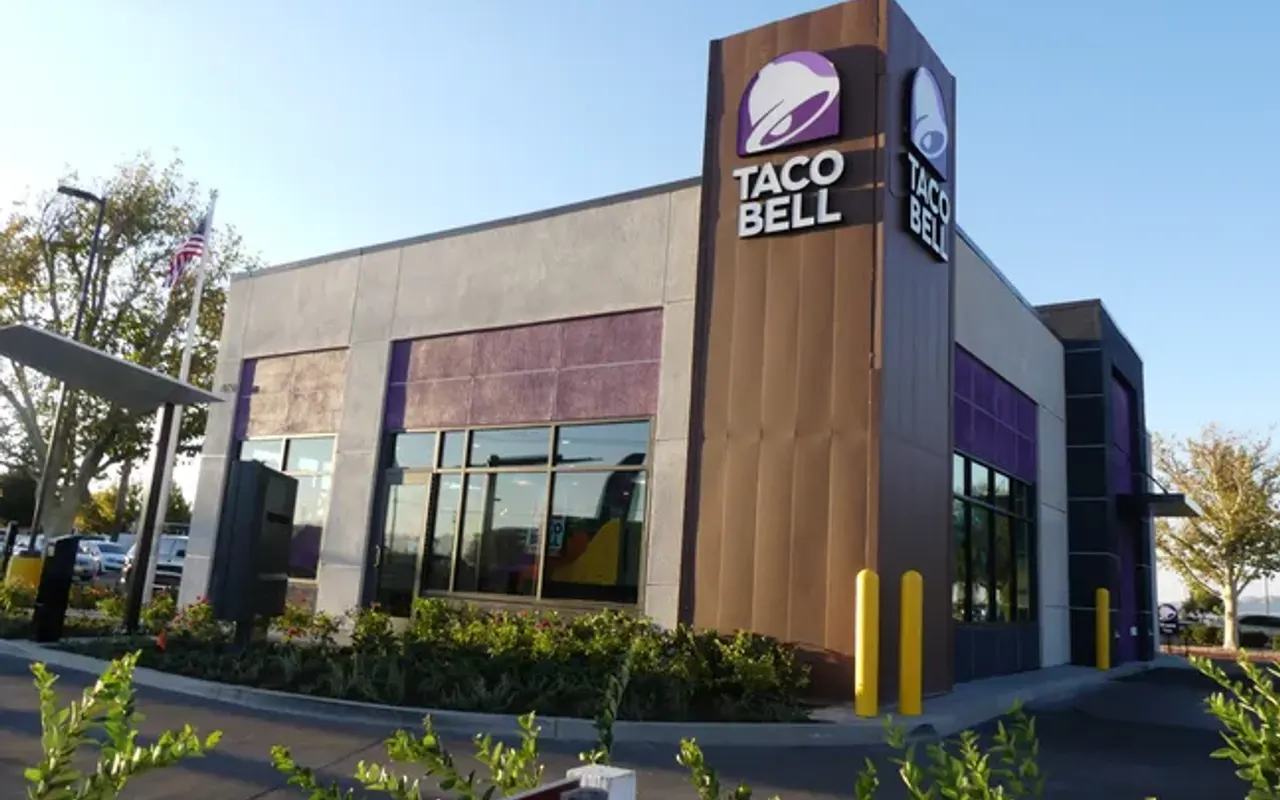
Listing information is deemed reliable but not guaranteed — pricing, cap rates, and lease terms are subject to change, prior sale, or withdrawal without notice.
Get off-market Taco Bell deals
Lease structure
New development and refranchising waves produced mostly fee-simple NNN leases: 15–20 year base terms, 5-year options, and escalations near 10% per five years or 1.5–2% annually in Western markets. True absolute-net language is common on newer paper; older leases occasionally retain landlord roof/structure. Ground leases appear on premium corners. The Go Mobile prototype (post-2020) anchors the current pipeline — dual lanes, ~2,500 square feet — and developer exits from those builds supply the freshest terms on the market.
Credit and guarantee
Underwrite three layers. The brand: ~$16B U.S. systemwide sales, consistently positive traffic in a sector losing it. The parent: Yum! Brands, which doesn't guarantee your lease but polices franchisee health, remodel investment, and transfer approvals — a real if indirect protection. The signer: franchisee entities from 20-unit family operators to 1,000-unit platforms like the largest Yum! operators, several carrying revenue north of $1B. Price tiers track that spectrum; a top-decile platform guarantee earns pricing within shouting distance of corporate deals.
What drives cap rates
Operator scale first — the market pays up 50–100 basis points for mega-franchisee paper versus small guarantors. Then term and escalation math, then store economics: sales above the $2.2M system average with rent under 8% of sales is the durable profile. Real estate quality does the rest — signalized pads with dual-lane infrastructure in growth corridors are what the next operator bids on if this one ever leaves, and the drive-thru sector's re-tenanting record on such sites is genuinely strong.
Buyer criteria and red flags
Require the operator's unit count and guarantor structure in writing; ask for store sales (and treat refusal as data); confirm remodel status against the franchise agreement's requirements. Red flags: guarantor entities holding a fraction of the operator's units, rent-to-sales above 10% from a sale-leaseback priced off a COVID-era sales spike, single-lane stores in markets where the brand is densifying, and operators visibly for sale themselves — franchisee M&A usually transfers leases cleanly, but assignment provisions deserve a read before you count on it.
How Taco Bell compares
Against sibling KFC: same parent and paper style, stronger brand momentum, tighter caps — the spread between them is a live read on U.S. brand health. Against McDonald's: you give up the corporate signature and collect 100+ basis points for it. Against Wendy's: similar franchisee-heavy structures with Taco Bell typically earning a modest premium on unit economics. Within franchise QSR, this is the benchmark the others get measured against.
Taco Bell NNN FAQs
Is my Taco Bell lease backed by Yum! Brands or by a franchisee?
Almost certainly a franchisee — Yum! keeps its ~7,500 U.S. Taco Bells about 95% franchised, and corporate rarely signs real estate. The good news: Taco Bell franchisees include some of the largest restaurant operators in America, running 100–1,000+ units with institutional-grade financials. A lease from one of those platforms is stronger than plenty of 'corporate' guarantees from weaker chains. The signature block sets the price.
How do I underwrite a franchisee I've never heard of?
Unit count, tenure, and coverage. Ask for the operator's total store count and how long they've held Taco Bell rights (multi-decade operators survived multiple cycles); request store-level sales and compute rent-to-sales (7–9% is the healthy QSR band); and check whether the guarantor entity holds all the operator's units or just a shell with three. Franchisee disclosure varies — the ones proud of their numbers share them.
Why do Taco Bell deals often out-yield McDonald's by 100+ basis points?
Guarantee architecture, not brand health. Taco Bell's unit volumes (roughly $2.2M average) and growth have outrun most QSR peers, but the paper is franchisee credit against McDonald's direct corporate signature. The market prices the difference at 100–150 basis points, and it narrows for mega-franchisee guarantees. For buyers who do operator homework, that spread is the most reliably earnable premium in fast food.
What does Taco Bell's remodel program mean for a landlord?
The 'Go Mobile' prototype — dual drive-thru lanes, pickup shelving, smaller dining rooms — is where the system's capital is flowing. A recently remodeled store signals both franchisee commitment and corporate approval of the site. An early-1990s build with one lane and no remodel scheduled faces a franchise-agreement remodel mandate eventually; ask who funds it, because some leases push construction disruption and cost negotiations onto the renewal table.
Are Taco Bell and KFC deals interchangeable? Same parent, right?
Same parent, different trajectories. Both are Yum! brands sold mostly as franchisee paper, but Taco Bell has been the portfolio's growth engine — positive comps most quarters, category-leading margins — while U.S. KFC has fought traffic declines against Chick-fil-A and Popeyes. Identical lease structures deserve different rent-durability assumptions; the operator's brand mix within the deal often matters as much as the sign out front.
Keep Exploring
Browse
States with Inventory
Run the Numbers
Buying a Taco Bell? Get every matching deal — on and off market.
Free buyer representation. No obligation. Reply within 24 hours.