

Indiana NNN Properties for Sale
Indiana is the Midwest's low-cost operator: yield-state cap rates paired with the region's friendliest tax structure and an Indianapolis northern ring that grows like it got lost on the way to Nashville. For income buyers wanting Midwest spreads without Midwest fiscal drama, it's the clean pick.
Market Facts
- State income tax
- Flat ~3.0%, cutting
- Population trend
- Modest; Indy metro growing
- Cap spread vs national
- Typically wide of national averages
- Top metros
- INDIANAPOLIS · FORT WAYNE · SOUTH BEND
Indiana Listings

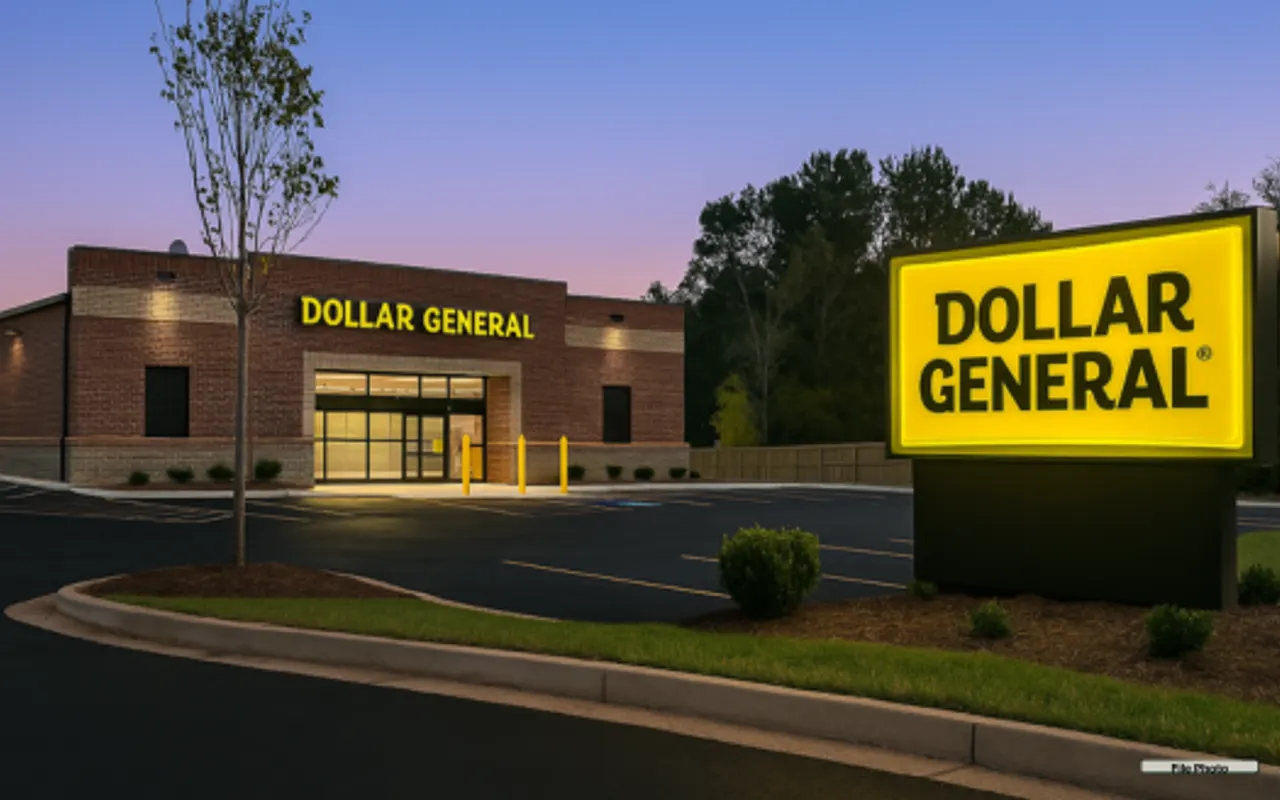
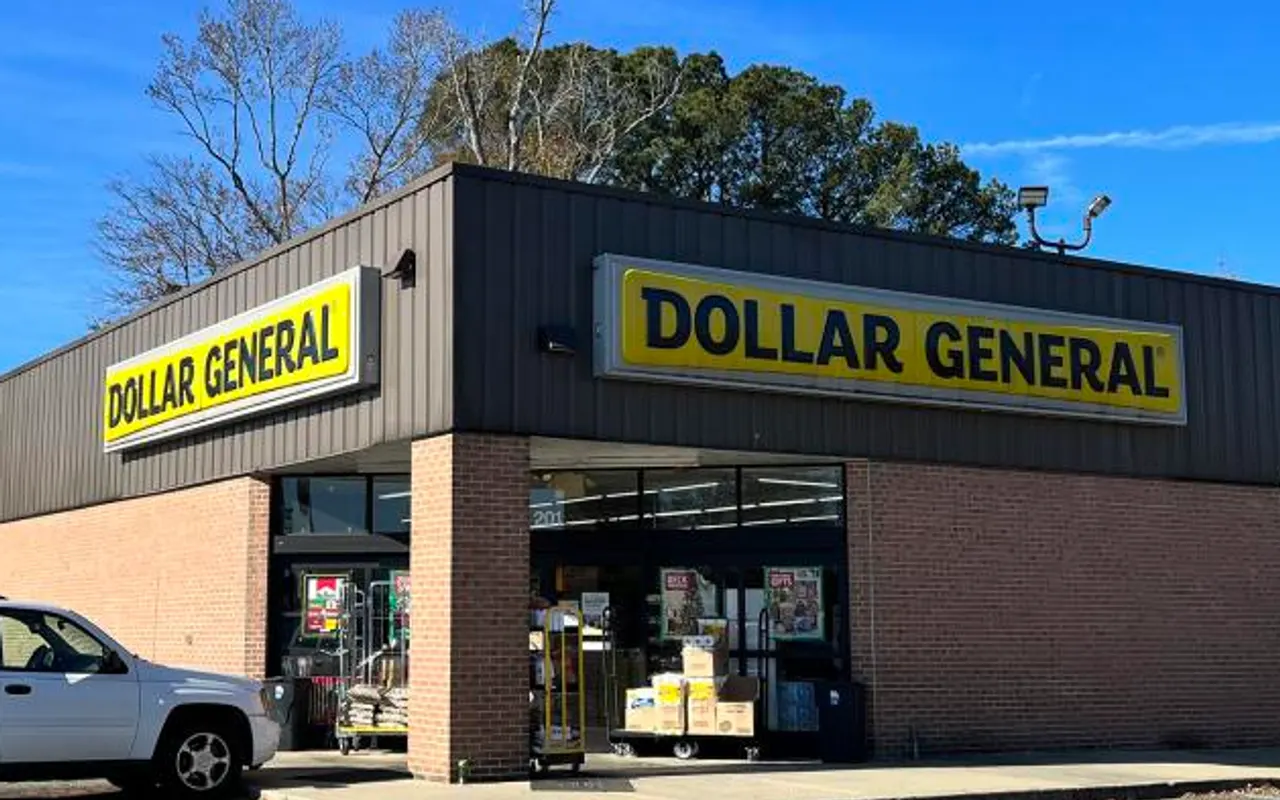
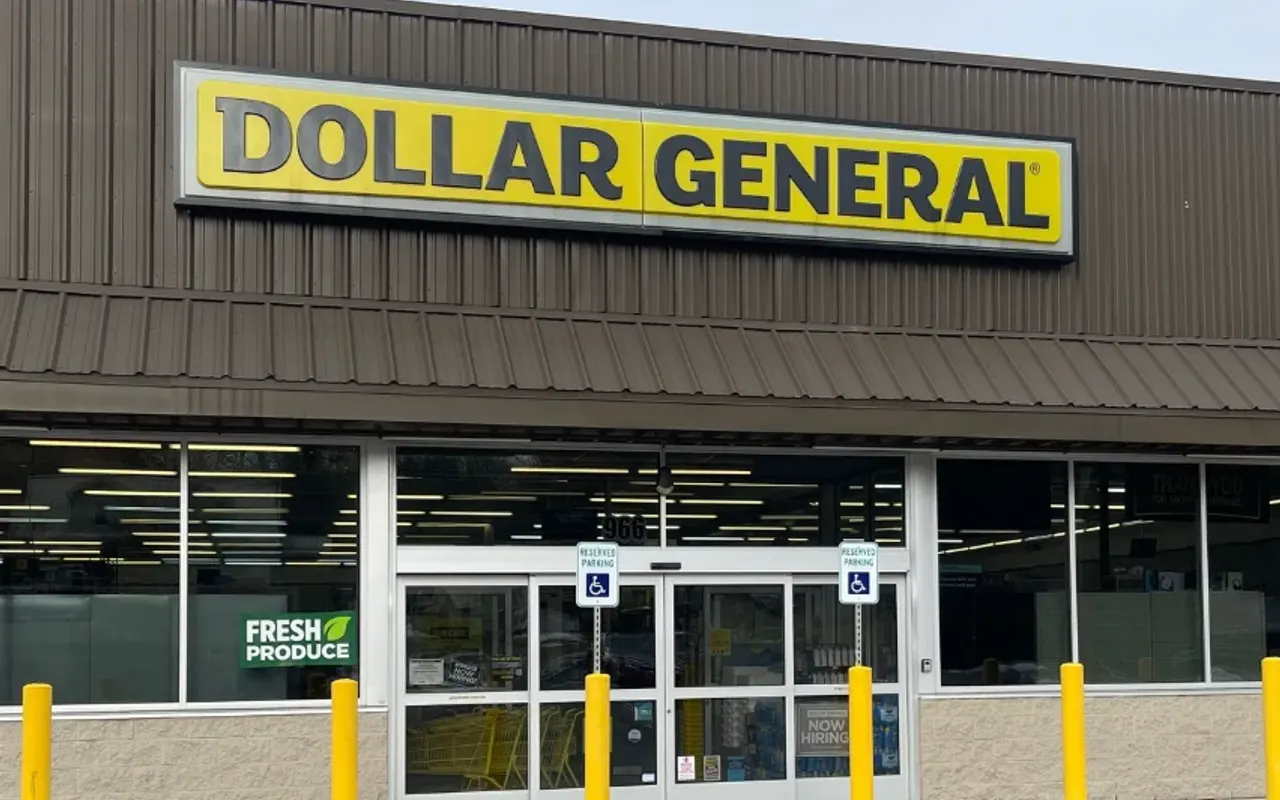
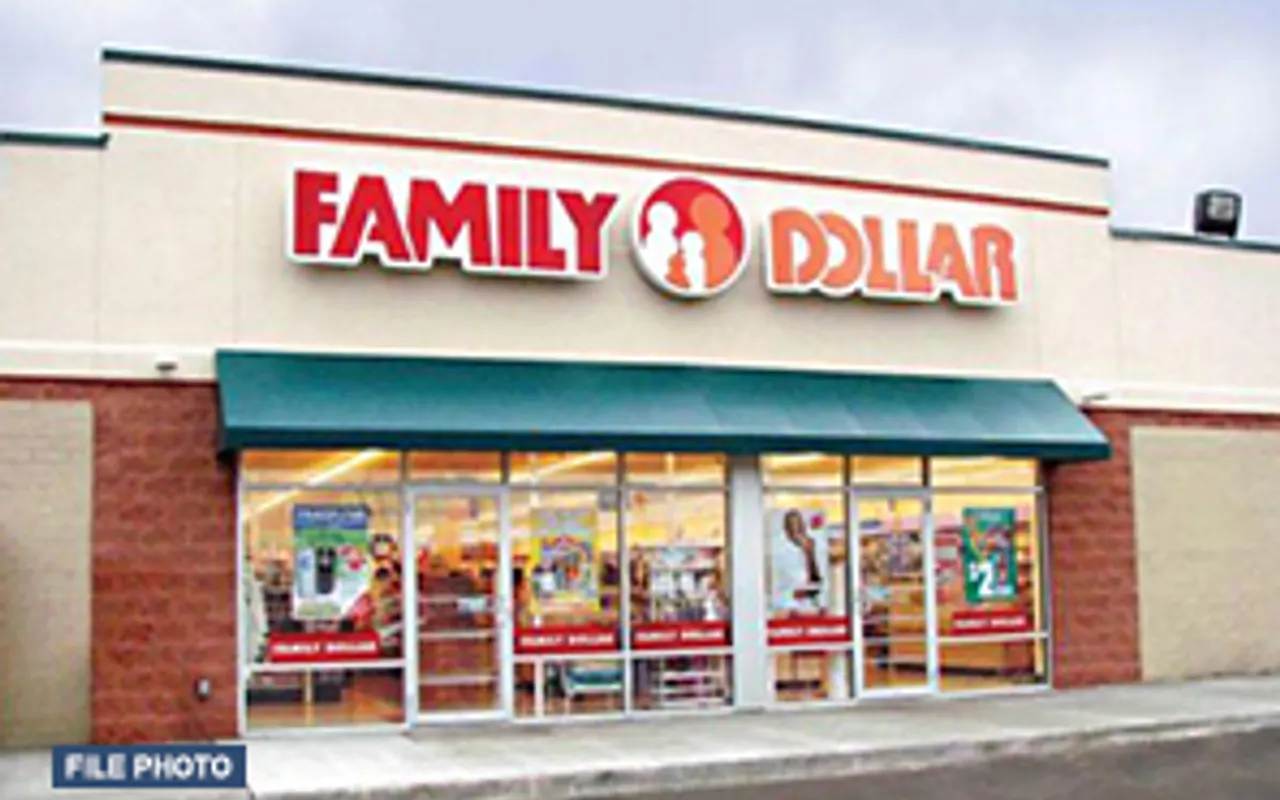

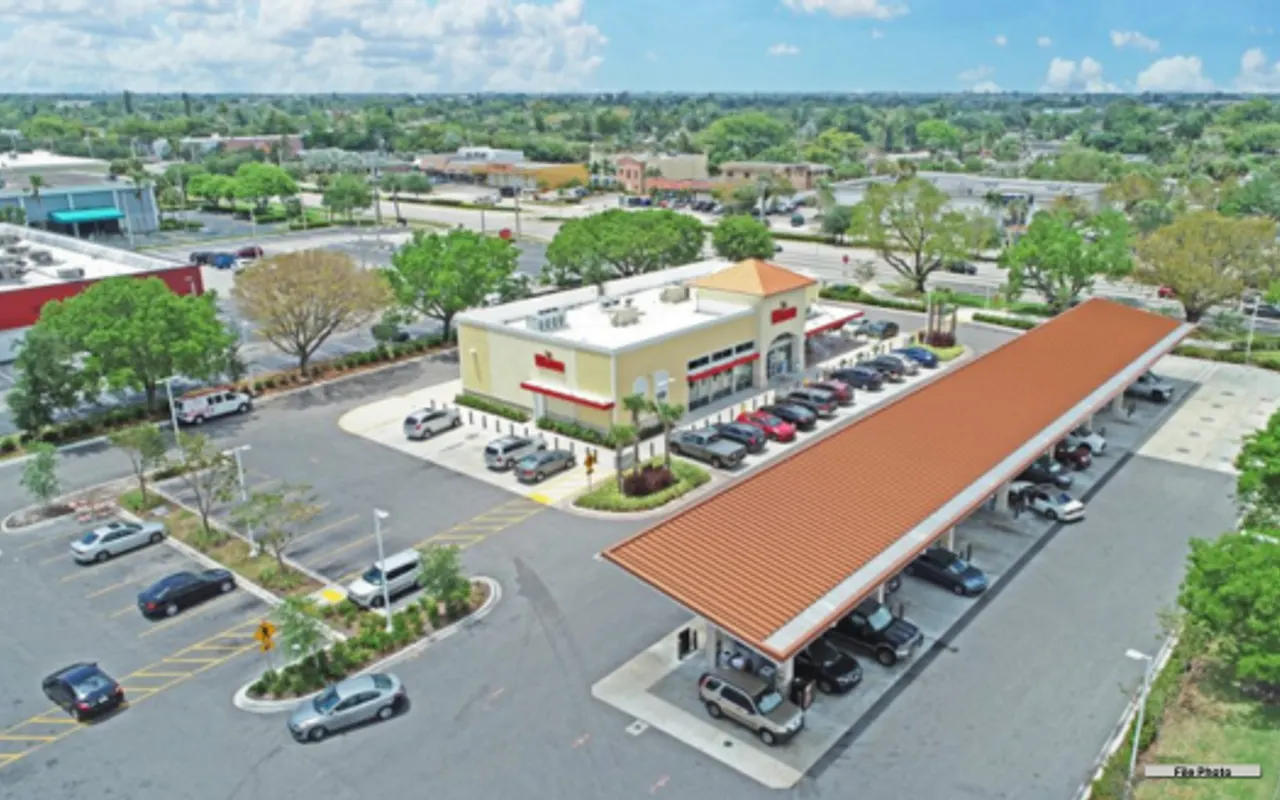
Listing information is deemed reliable but not guaranteed — pricing, cap rates, and lease terms are subject to change, prior sale, or withdrawal without notice.
Get off-market Indiana deals
Why Indiana for NNN
The state engineered its pitch: constitutional property-tax caps, a flat income tax legislated below 3%, balanced budgets, and a logistics geography — the self-branded 'Crossroads of America' — that keeps distribution payrolls growing beneath the retail corridors. Net lease pricing hasn't caught up to the fundamentals gap versus Illinois next door: identical tenants trade at similar spreads despite structurally better tenant economics (lower pass-throughs) and landlord math here.
Top metros
Indianapolis is the market: Hamilton County's boom suburbs anchor the premium tier, the metro's south and west rings (Greenwood, Plainfield, Avon) ride logistics growth, and Marion County arterials supply value inventory. Fort Wayne — the state's steady second city — delivers regional-hub demand at honest yields; Evansville anchors the tri-state southwest; South Bend pairs Notre Dame's economy with rebuilding momentum. Between them, I-65 and US-31 towns host the dollar-store tier.
Tax and 1031 notes
Flat income tax around 3.0% and falling (confirm current with your CPA) on nonresident rent — the Midwest's lightest touch. Commercial property taxes cap at 3% of assessed value by constitutional rule, making pass-through loads predictable in a way few states offer. County income taxes add small local layers. No estate tax, minimal transfer costs, efficient title-company closings: Indiana transactions are among the cheapest to execute in the country.
Deal flow and buyer's notes
Indiana deals reward speed less and diligence more than coastal markets: listings sit long enough for full underwriting, sellers price honestly against the Midwest spread, and the winner is usually whoever verified the roof, the county trajectory, and the pass-through math first. Hamilton County pads are the exception — Carmel and Fishers product trades at near-Sunbelt velocity. Financing leans local: Indiana's community banks quote competitive terms on the dollar-store and QSR paper national lenders shrug at, and their familiarity with township-level tax mechanics de-risks the pass-through modeling. For multi-property 1031 identifications, the state's price points let buyers assemble two or three leases where a single coastal deal would have gone — instant diversification at the same equity check.
Active tenants here
Dollar General and Family Dollar grid the state's 92 counties. Taco Bell franchise platforms and McDonald's hold every arterial, Pizza Hut Delcos serve the small-city tier, Walgreens corners the metro intersections, and AutoZone rides another salt-belt fleet's aging math.
Indiana NNN FAQs
What's Indiana's pitch versus its Midwest neighbors?
Cleanest cost structure in the region: a flat income tax cutting toward 2.9% (lowest among neighbors — confirm current with your CPA), property-tax caps written into the state constitution (1% homestead / 3% commercial ceilings), and business-climate rankings Illinois can only envy. Same Midwest yield spreads — 40–60 basis points over national averages — with materially better hold math and none of Chicago's fiscal overhang next door.
Is Indianapolis growing enough to matter?
The metro adds people steadily while the state treads water — and its northern ring (Carmel, Fishers, Westfield, Noblesville) ranks among the Midwest's genuinely booming suburbs, with incomes and development pipelines that price pads 25+ basis points inside outstate Indiana. The logistics economy (FedEx's second-largest hub, I-65/I-70 crossroads warehousing) funds blue-collar corridors statewide.
What tenant inventory dominates Indiana listings?
The Midwest yield roster in depth: Dollar General across every rural county, franchise QSR (Taco Bell platforms run dense here), drugstore corners in the metros, and auto parts serving salt-belt fleets. Fort Wayne and Evansville supply regional-hub deals; college towns (Bloomington, West Lafayette) add university-anchored corridors with steadier-than-typical Midwest demand.
Keep Exploring
Browse
Neighboring States
Active Tenants Here
Run the Numbers
Buying in Indiana? Tell us your criteria — we'll send matching deals.
Free buyer representation. No obligation. Reply within 24 hours.