
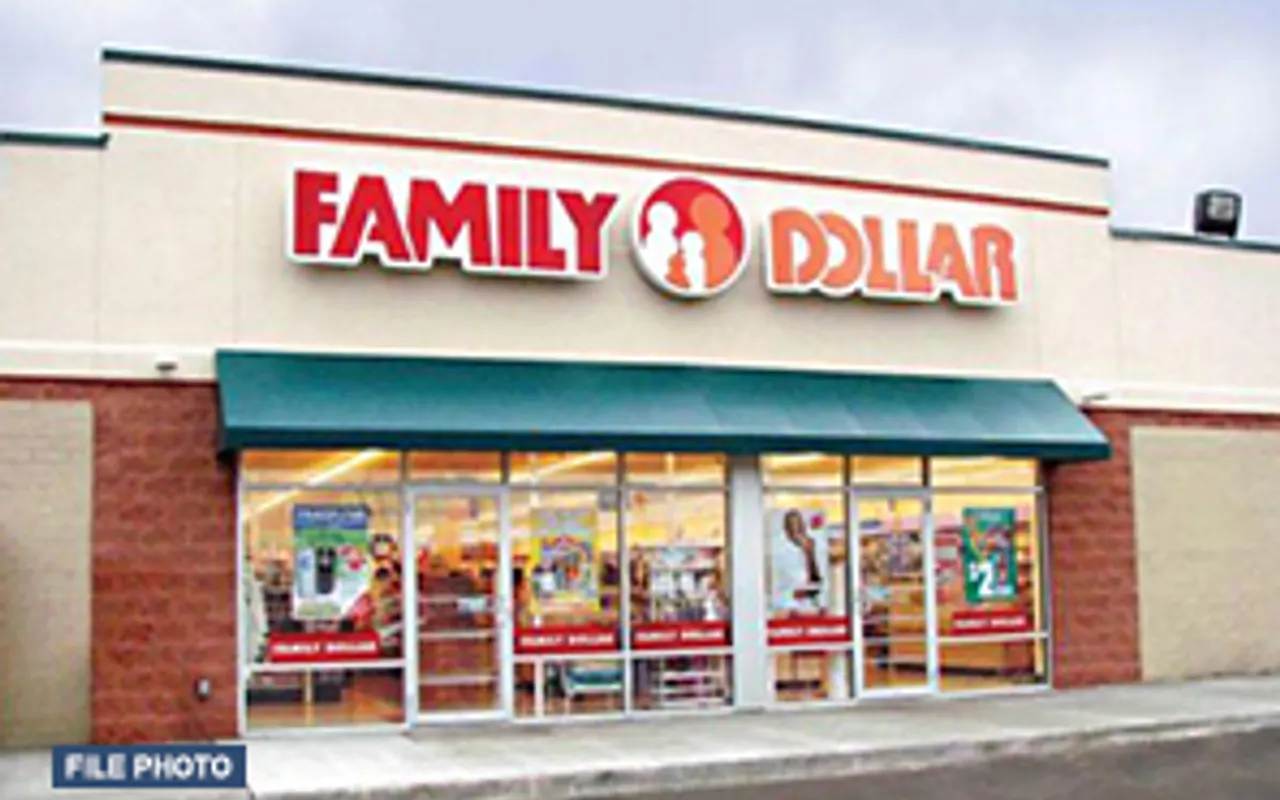
Family Dollar NNN Properties for Sale
Family Dollar is the dollar sector's high-yield tranche: the same small-box, low-income-retail thesis as Dollar General, now backed by private-equity owners instead of an investment-grade parent, at cap rates that start where DG's stop. Post-divestiture, it's a tenant for buyers who price credit skeptically and let the real estate carry the underwriting.
Quick Facts
- Typical cap range
- 6.75–8.25%
- Lease type
- NNN (varies by vintage)
- Typical term
- 10 yr
- Credit
- Corporate — private-equity owned since 2025; unrated, confirm guarantor entity per lease
- Guarantee
- Family Dollar Stores entity — verify per lease
Family Dollar Listings
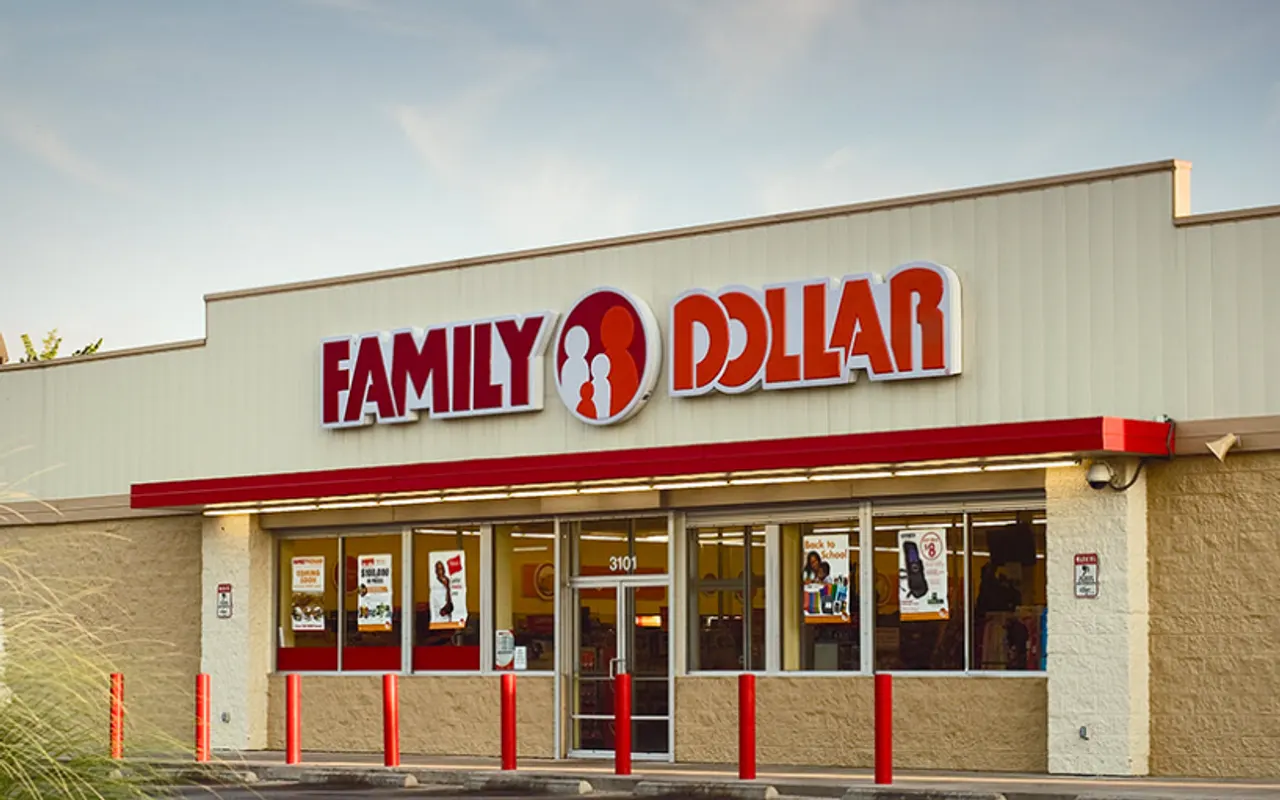
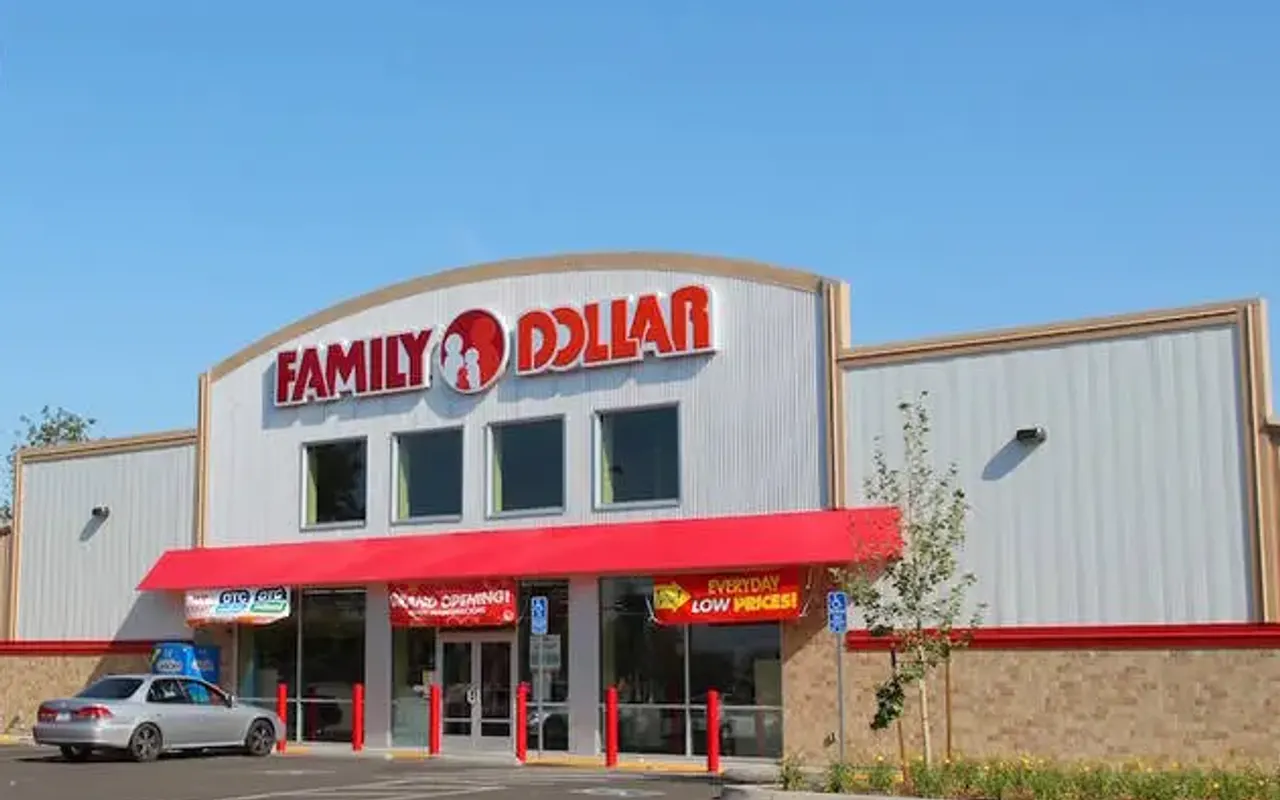
Listing information is deemed reliable but not guaranteed — pricing, cap rates, and lease terms are subject to change, prior sale, or withdrawal without notice.
Get off-market Family Dollar deals
Lease structure
The fleet's lease stock is heterogeneous — decades of development under Family Dollar's independent era, then Dollar Tree ownership, produced 10-year NNN terms as the mode with plenty of NN variants and relocation-deal paper. Escalations are inconsistent: some leases run 3–5% mid-term bumps, many run flat to the options. Buildings span urban storefronts to the 8,000-square-foot freestanding rural prototype. There is no "standard Family Dollar deal"; each document requires its own read, which is partly why pricing stays wide.
Credit and guarantee
Since the 2025 sale, the banner operates under Brigade-Macellum ownership as a private company — no ratings, no public filings, guarantees from Family Dollar operating entities of unpublished financial strength. Legacy leases with surviving Dollar Tree, Inc. guarantees are the exception worth hunting. Underwrite accordingly: assume banner-level credit equals the store's own economics plus the owner's incentive to keep performing locations. Roughly 7,000 stores remain post-closures, serving a customer demographic with durable, non-discretionary demand.
What drives cap rates
Guarantor identity first — verified Dollar Tree paper trades 50–100 basis points inside pure Family Dollar guarantees. Then store survival pedigree (through both the 2019 and 2024–25 closure programs), then format: combo-banner stores and post-2020 renovations signal keeper status. Real estate variables close the model: rural monopoly versus over-stored urban corridor, rent against $6–9 per foot re-lease reality, and building condition — this fleet skimped on capex during the troubled years, and roofs remember.
Buyer criteria and red flags
Documents before dirt: guaranty chain, escalation schedule, remaining term, assignment history. Then the store screen — closure-list history, competing banners within two miles, visible operating condition. Red flags: leases expiring inside 4 years without renewal signals, above-$10 rents in markets DG serves at $8, stores where the nearest Dollar General opened after this location (the chains' site models rarely both stay wrong), and sellers who can't produce the current guarantor's identity in writing. Price every deal to survive a vacancy: at the right basis, an 8% cap with real re-lease math is a fine risk; at the wrong basis, no yield rescues it.
How Family Dollar compares
Dollar General is the sector's clean execution — rated credit, standard leases, liquid exits — and worth its 100-basis-point premium for most 1031 buyers. Dollar Tree, the former parent, offers suburban real estate and a public balance sheet. Family Dollar earns allocation as the yield sleeve: bought selectively, at wide caps, on stores whose local economics would survive any logo. The cross-sector comp is AutoZone at similar corridors with bulletproof credit — when their pricing converges within a point, take the parts store.
Family Dollar NNN FAQs
Who actually guarantees a Family Dollar lease now?
It depends when the lease was signed. Dollar Tree sold the banner to Brigade Capital and Macellum in 2025 for roughly $1B; leases guaranteed by Family Dollar operating entities travel with the new private owner, while any paper carrying explicit Dollar Tree, Inc. guarantees keeps that stronger credit. Nothing on the storefront tells you which you're buying — the lease and any guaranty amendments do. This is the first document request on every deal.
Why are Family Dollar caps the widest in the dollar sector?
Stacked uncertainty: a private-equity owner with no public financials, a decade of underperformance versus Dollar General, and closure programs that shuttered roughly 1,000 stores in 2024–25. The surviving fleet is healthier — the culls removed the worst leases — but buyers can no longer lean on an investment-grade parent. The 75–150 basis point premium over DG is honest compensation, not a market inefficiency.
What does a keeper Family Dollar store look like?
Urban-infill or genuine rural monopoly, positive traffic pattern, and survival through every closure round — the 2024–25 lists are public and checkable. Combo Family Dollar/Dollar Tree formats (one box, both banners) signal investment. Strong stores also show it physically: full shelves, current planograms, staffed registers. A store the owner is milking looks milked; site visits pay for themselves with this tenant more than any other dollar banner.
Is there an upside case for buying Family Dollar paper?
Yield with a turnaround call option. Focused private owners took a banner Dollar Tree admittedly mismanaged, kept its best 7,000+ stores, and serve a low-income customer base that isn't shrinking. If operations stabilize, today's 7.5% cap becomes tomorrow's 6.75% on resale. The discipline: underwrite as if the upside never arrives — the going-in yield and re-lease math must work standalone, because private-equity retail turnarounds keep their promises unevenly.
Keep Exploring
Browse
Sector
States with Inventory
Run the Numbers
Buying a Family Dollar? Get every matching deal — on and off market.
Free buyer representation. No obligation. Reply within 24 hours.