
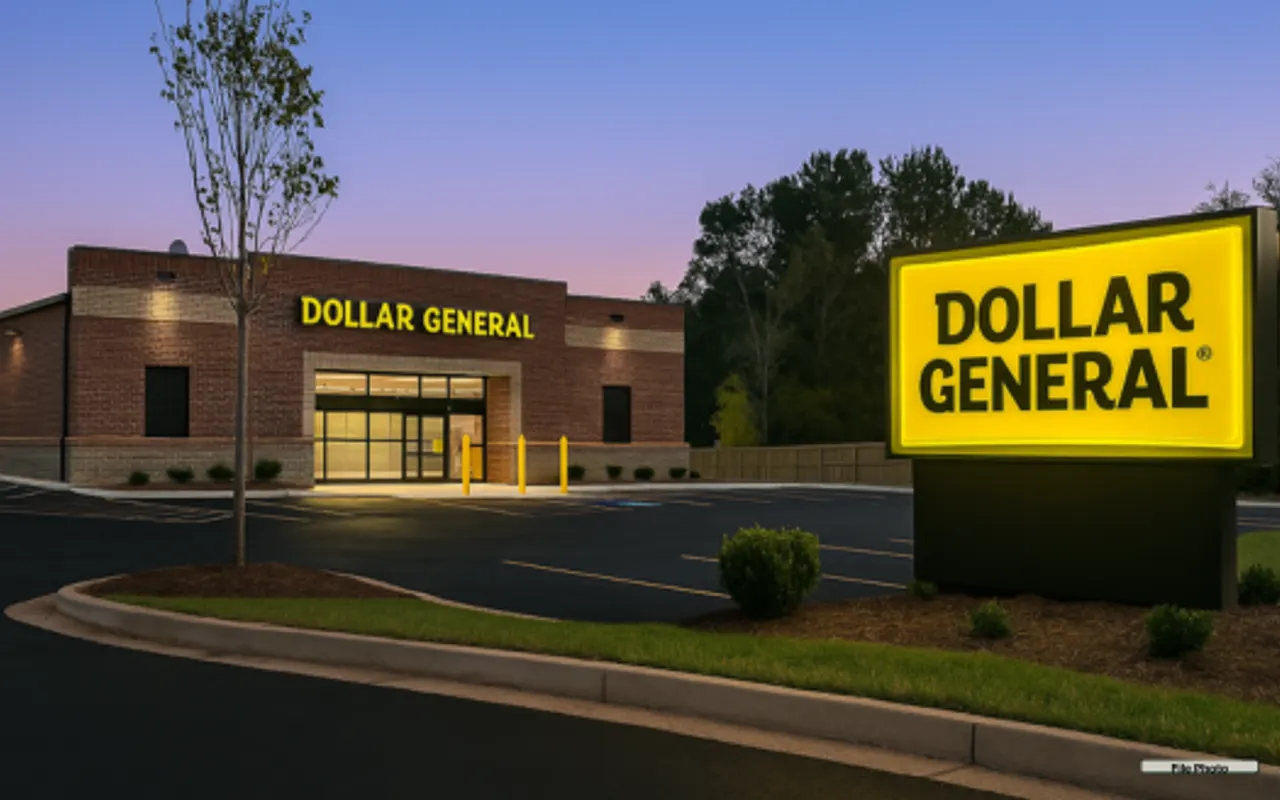
Dollar Stores — NNN Properties for Sale
Dollar stores are the yield engine of the net lease market: investment-grade credit at cap rates that start where QSR pricing stops. Nearly every 1031 buyer sees a Dollar General in their identification window, and the sector's 35,000+ combined U.S. locations mean inventory is never scarce. The skill is separating durable stores from boxes the chains will walk away from.
Dollar Stores Tenants
Current Listings
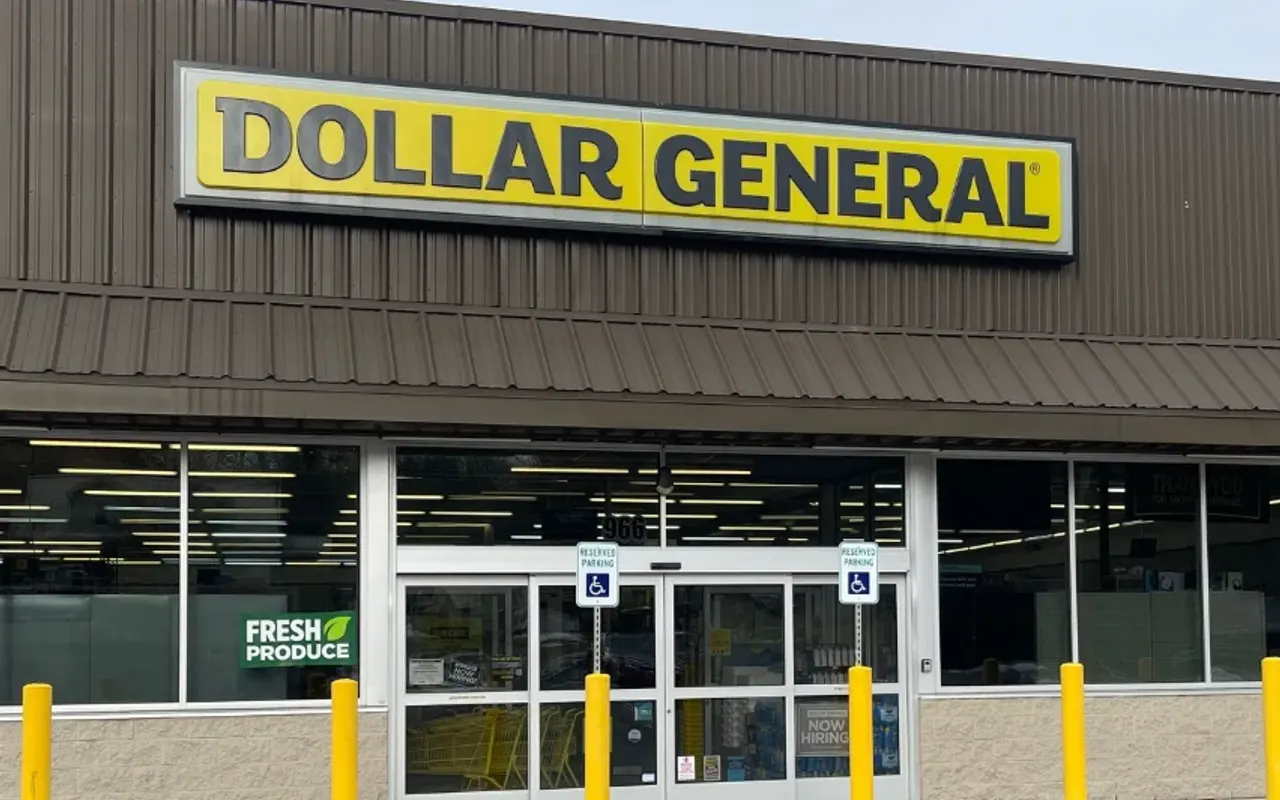
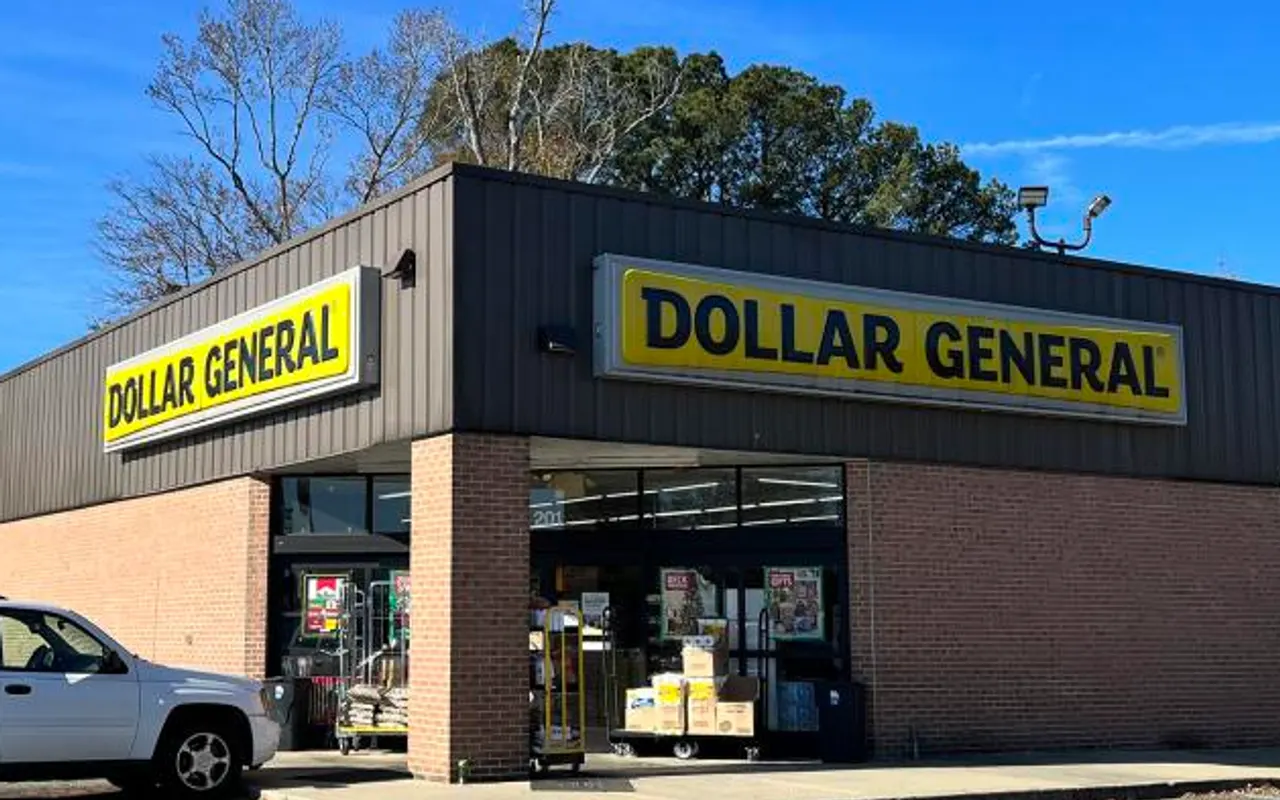
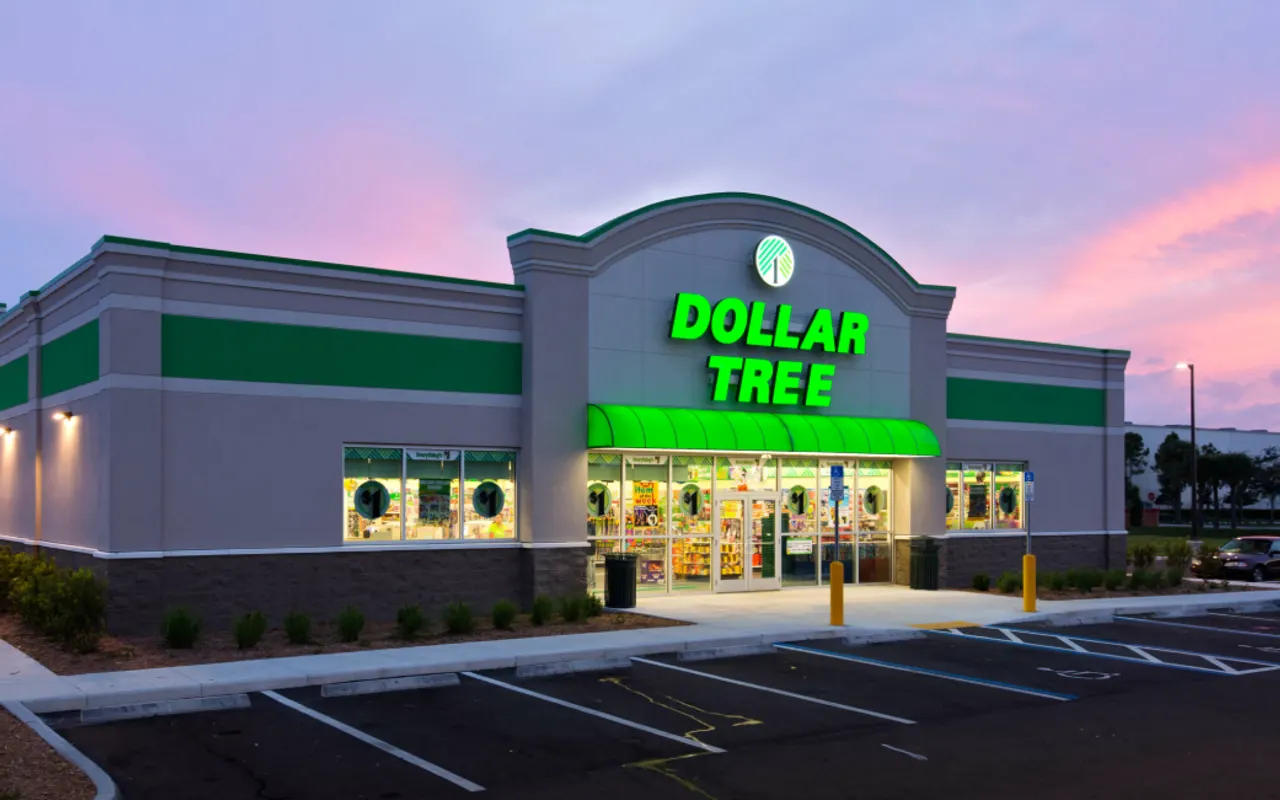
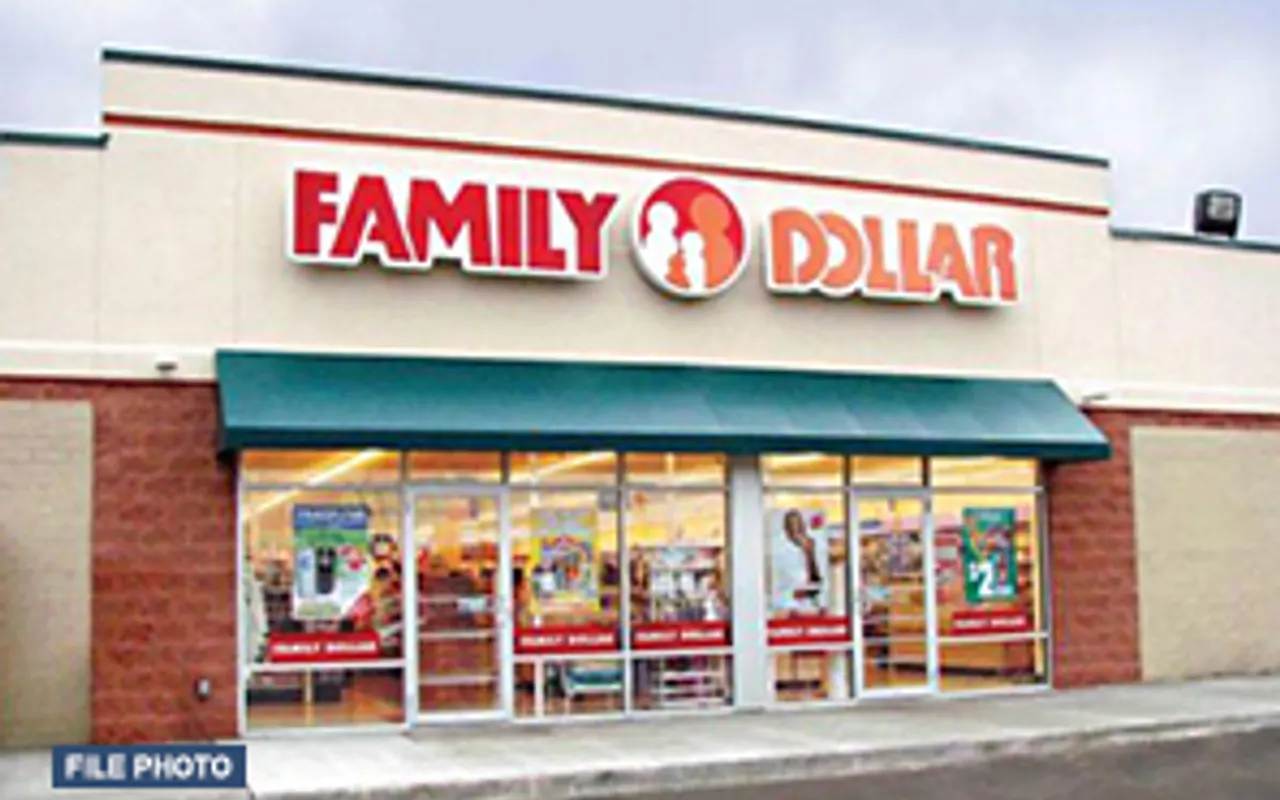
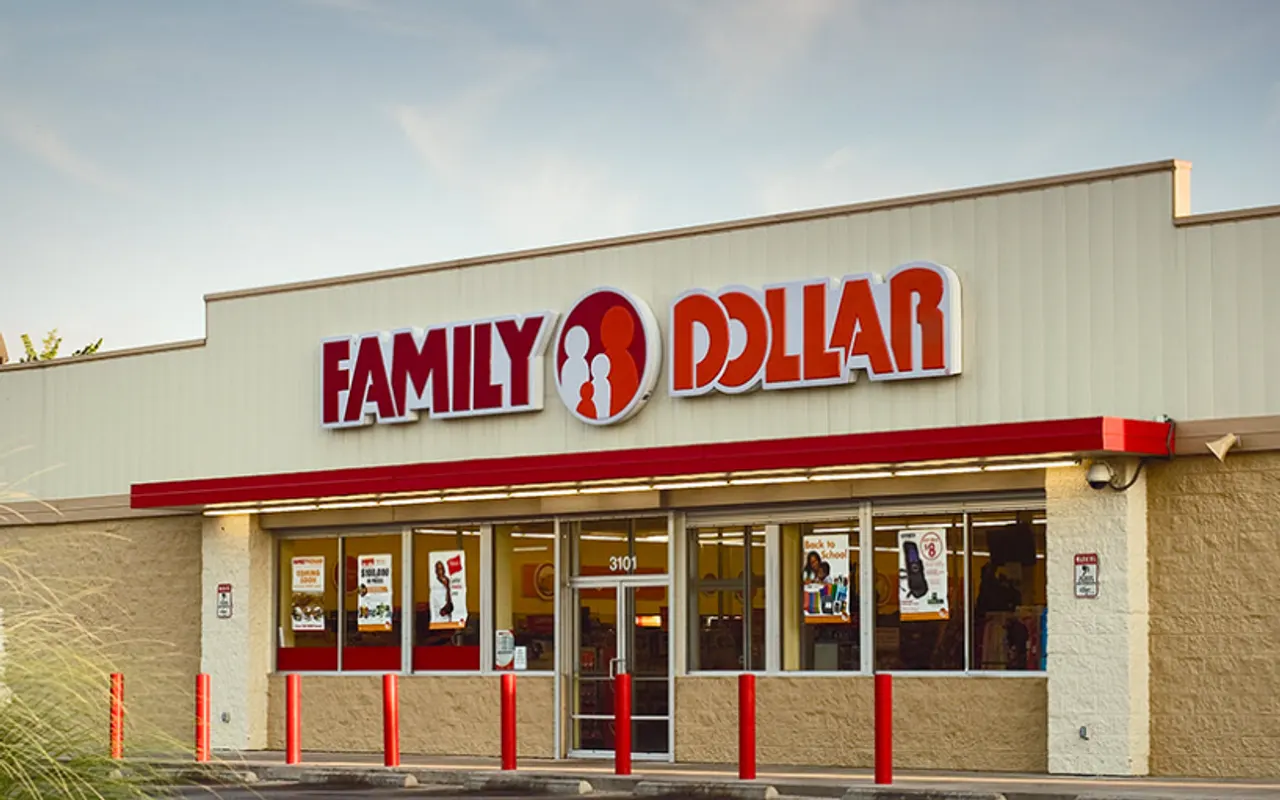
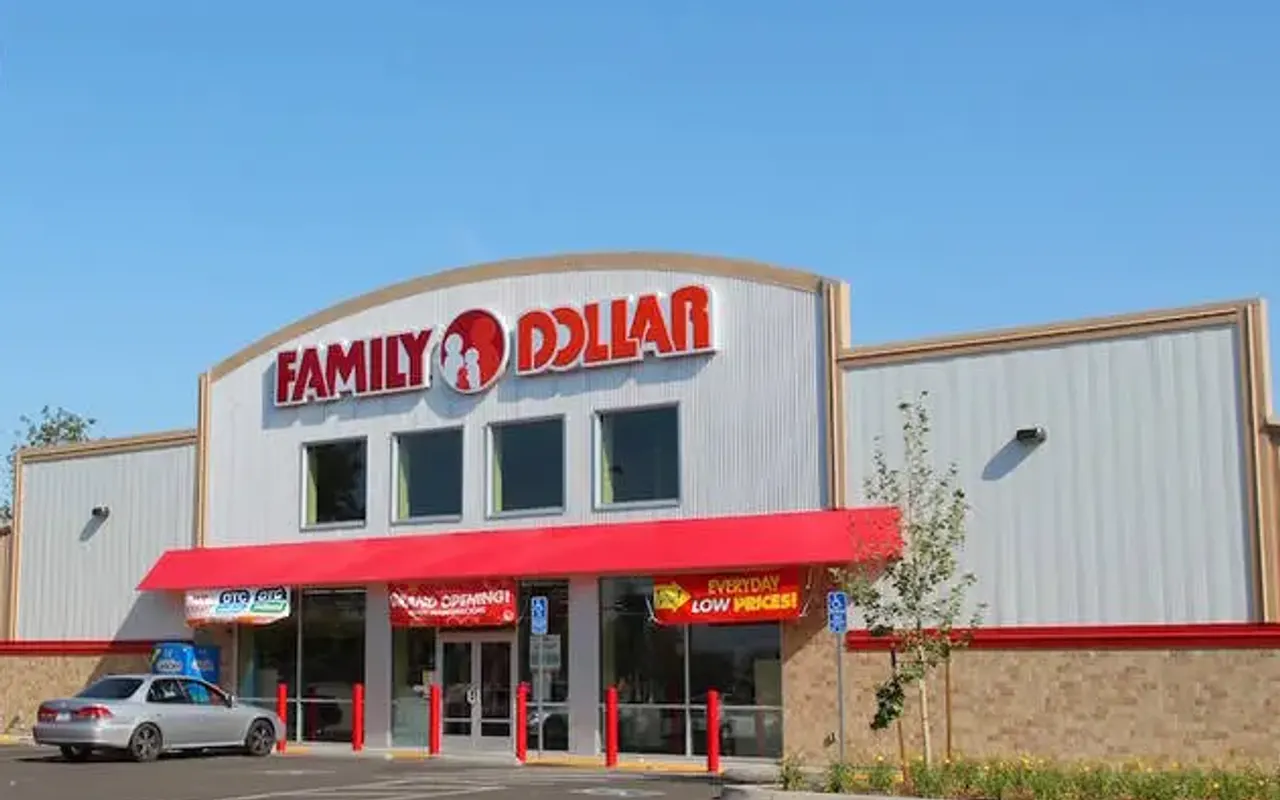
Listing information is deemed reliable but not guaranteed — pricing, cap rates, and lease terms are subject to change, prior sale, or withdrawal without notice.
Get off-market Dollar Stores deals
Sector economics
The model is simple retail arithmetic: cheap rural or secondary-market land, a $1.2–1.5M build cost, and rents of $8–12 per square foot that no other national credit will pay in those markets. Dollar General's average store rings roughly $1.6M a year in sales; Dollar Tree skews suburban with its $1.25–$7 price points; Family Dollar targets urban and rural low-income trade areas. Margins are thin, so the chains manage real estate ruthlessly — they will close a store over a rent bump that looks trivial to a landlord, which is exactly the discipline you're underwriting when you buy one.
Lease norms
The standard new-build package is a 15-year absolute-net base term (Dollar General moved to this prototype lease around 2012; Dollar Tree and Family Dollar run 10–15) with five-year options and flat base rent — escalations usually live in the option periods at 10% steps. Flat primary-term rent is the sector's quiet drawback: your real return depends on the tenant staying through options. Older deals carry NN structures with landlord roof-and-structure duties; on a metal building entering year 12, that obligation is not theoretical.
The tenant roster
Dollar General (S&P BBB, 20,000+ stores) is the volume leader and the cleanest paper. Dollar Tree brings the strongest same-store economics of the three banners but shorter typical terms. Family Dollar, under new private ownership since 2025, is the value play — wider caps, more variance, and store-level numbers that matter more than ever.
Risk notes
Three screens before you offer. Market position: map every dollar store and the nearest Walmart within 15 minutes; a town of 4,000 with three dollar banners is over-stored and someone's lease won't be renewed. Building vintage: post-2015 prototypes (9,100 square feet for DG) with absolute-net leases are the institutional standard; 1990s conversions are not. Rent basis: sale-leasebacks and developer flips sometimes carry rent 20% above what the market would re-let at — divide asking rent by local per-foot comps, because at these price points ($1.1–1.8M typical) a mispriced lease is most of your equity.
Dollar Stores FAQs
Why are dollar store cap rates higher than fast food cap rates?
Real estate, not credit — Dollar General carries an investment-grade rating that most QSR franchisees can't match. But the buildings are commodity metal-and-brick boxes in small markets, often the only national retailer in town. If the tenant leaves, backfill options are thin and rents drop. Buyers price that re-lease risk at 150–250 basis points over a comparable-credit QSR pad on a metro corner.
Is a 15-year Dollar General lease really passive?
The newer 'DG Standard' leases are genuinely absolute net — tenant handles roof, structure, parking, everything — and those are the ones worth paying up for. Plenty of older paper makes the landlord responsible for roof and structure on a building that costs $85–110 per square foot to re-skin. The difference shows up as roughly a half-point of cap rate and it is worth every basis point.
What makes a good dollar store location if the town has 3,000 people?
The store's trade area, not the town line. A strong rural Dollar General pulls from a 10–15 mile radius where it's the closest general retailer — check the distance to the nearest Walmart Supercenter, because 15+ minutes of drive time is the moat. Store-level sales above the $1.6M chain average, a hard-corner site on the through-highway, and a post-2015 prototype building are the quality tells.
How did the 2024–25 Family Dollar sale change the underwriting?
Dollar Tree sold Family Dollar to private-equity buyers in 2025 for roughly $1B, ending the combined-company guarantee story. Existing leases keep their original guarantor language, so read which entity actually signed yours. Hundreds of underperforming Family Dollar stores closed during the same period — making store-level sales disclosure and market position more decisive than the brand name.
Keep Exploring
Browse
Run the Numbers
Latest Insights
Want dollar stores deals matched to your criteria?
Free buyer representation. No obligation. Reply within 24 hours.