

North Carolina NNN Properties for Sale
North Carolina is the value expression of the Southeast growth trade: top-five migration, two nationally significant metros, and a flat income tax legislated steadily downward — priced a notch inside the national average instead of at Florida premiums. Among Tier-1 net lease states, it may carry the best growth-per-basis-point math in the country.
Market Facts
- State income tax
- Flat ~3.99%, scheduled cuts
- Population trend
- Strong net in-migration
- Cap spread vs national
- Typically inside national averages
- Top metros
- CHARLOTTE · RALEIGH–DURHAM · GREENSBORO
North Carolina Listings
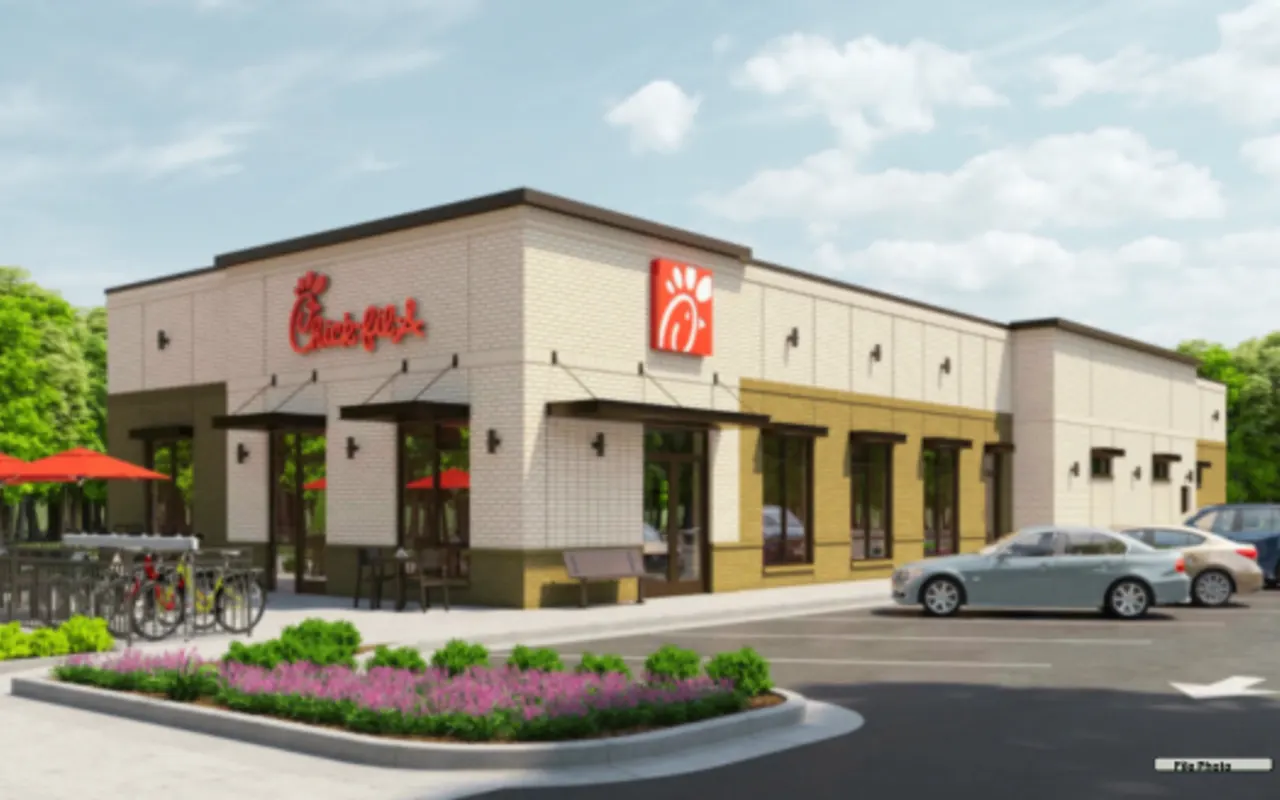



Listing information is deemed reliable but not guaranteed — pricing, cap rates, and lease terms are subject to change, prior sale, or withdrawal without notice.
Get off-market North Carolina deals
Why North Carolina for NNN
The demand story writes itself: Charlotte's financial-sector payrolls and Raleigh–Durham's research economy pull six figures of net migration annually, and retail development chases every new rooftop across the I-85/I-40 crescent. The policy story compounds it — a flat tax approaching 3.99% with scheduled cuts (confirm current with your CPA), moderate property taxes, and pragmatic regulation. The result is a market where national tenants keep building and national buyers keep underbidding coastal money that hasn't noticed the tax trajectory yet.
Top metros
Charlotte anchors the southern Piedmont: its growth arc through Union and Cabarrus counties (and across the border into Fort Mill/Rock Hill) generates continuous new-build QSR, c-store, and medical pads. Raleigh–Durham's triangle spreads demand across Cary, Apex, Wake Forest, and Clayton — some of the fastest-growing towns in America. The Triad (Greensboro–Winston-Salem) offers manufacturing-anchored yield, Wilmington pairs port growth with coastal migration, and Asheville trades on tourism-lifestyle demand at boutique volumes.
Tax and 1031 notes
The flat tax's downward march is the underappreciated feature: each legislated cut mechanically raises after-tax yields on existing holds, a tailwind almost no other state offers. Withholding on out-of-state sellers (4%) exempts cleanly for exchanges. County revaluation cycles deserve a look during diligence — several fast-growth counties reassessed sharply mid-2020s, moving tenants' pass-through loads. Closing practice is attorney-run, quick, and 1031-fluent across the metros.
Deal flow and buyer's notes
North Carolina competes like a Sunbelt headliner now: Charlotte and Raleigh pads draw multiple offers routinely, and the winning bid is often the certain one — clean terms, quick diligence, financing arranged. The state's legislated tax cuts are an underpriced tailwind; each scheduled reduction mechanically improves after-tax yields mid-hold. Wawa's eastern-NC expansion is the freshest paper source and still prices rationally outside the earliest trophy deals. County revaluation cycles (Mecklenburg's sticker shock being the cautionary tale) belong in every pass-through model, and the Fort Mill/Indian Land spillover across the South Carolina line offers a live two-state arbitrage on identical Charlotte-metro corridors.
Active tenants here
Family Dollar — historically headquartered in the Charlotte area — and Dollar General grid the state's small towns; Advance Auto Parts, with deep Carolina roots, keeps its densest footprint here. Chick-fil-A and McDonald's anchor every growth corridor, Starbucks pads follow the migration map, and Wawa's southern expansion is minting the state's newest 20-year corporate leases.
North Carolina NNN FAQs
Why has North Carolina become a top-tier NNN target?
It combines Sun Belt growth with a falling flat tax. Charlotte (banking) and Raleigh–Durham (research/tech) rank among America's fastest-growing large metros, the state posts top-five net migration yearly, and the legislature has cut the flat income tax repeatedly — from 5.25% in 2021 toward sub-4% (confirm current with your CPA) with further scheduled reductions. Buyers get Florida-adjacent demographics at 25–50 basis points better pricing.
How do Charlotte and Raleigh differ for net lease buyers?
Charlotte is the bigger, faster single market — banking payrolls, an exploding southern arc (Fort Mill spills into South Carolina), and the state's deepest pad-site pipeline. Raleigh–Durham spreads its growth across a triangle of submarkets tied to universities and RTP employment; inventory skews newer but thinner. Both trade tight; Charlotte offers more at-bats, Raleigh offers steadier institutional demand.
What's the eastern NC / Wawa story?
Wawa chose North Carolina for its southern expansion beachhead — dozens of stores opened or permitted from Wilmington through the coastal plain since 2024 — bringing fresh 20-year corporate c-store paper to markets that never had it. Early deals priced like Florida Wawas; as supply normalizes, eastern NC offers the tenant's newest paper at its most rational pricing (call us for current inventory).
Any state-specific mechanics to know?
North Carolina is an attorney-closing state with efficient practice; property taxes are moderate with revaluation cycles varying by county (Mecklenburg's 2023 revaluation jumped assessments — check pass-through impacts on Charlotte-area tenants). Nonresident sellers face 4% withholding with standard 1031 exemption filings. Nothing exotic — the state's transactional friction is genuinely low.
Keep Exploring
Browse
Neighboring States
Active Tenants Here
Run the Numbers
Buying in North Carolina? Tell us your criteria — we'll send matching deals.
Free buyer representation. No obligation. Reply within 24 hours.