
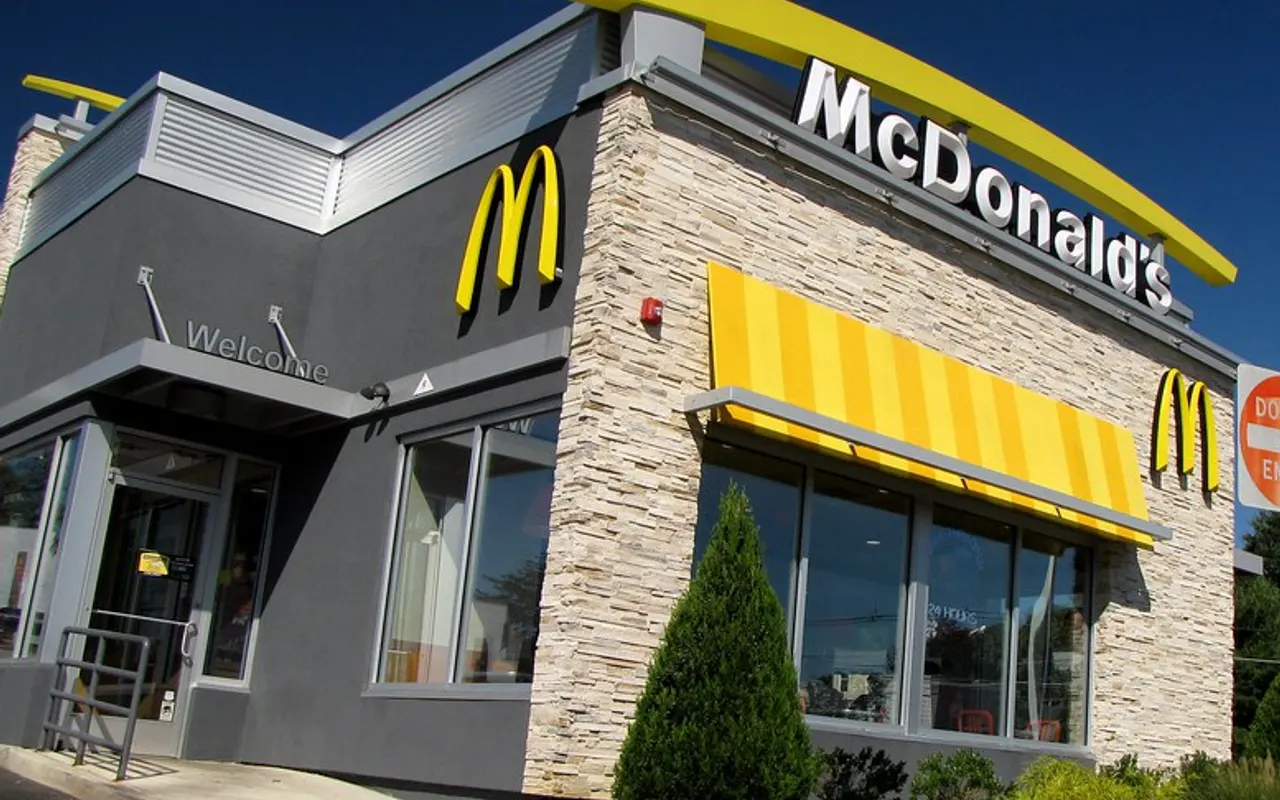
McDonald's NNN Properties for Sale
A McDonald's ground lease is the net lease market's reference asset — the deal every other single-tenant offering gets priced against. Roughly 13,500 U.S. locations, a corporate parent with an investment-grade balance sheet, and a documented corporate strategy of controlling its own real estate combine into the closest thing commercial property offers to clipping a coupon on a hard corner.
Quick Facts
- Typical cap range
- 3.75–4.75%
- Lease type
- Ground lease (typ.)
- Typical term
- 20 yr
- Credit
- Corporate — investment grade (Moody's Baa1 / S&P BBB+, as of Q3 2026)
- Guarantee
- McDonald's Corporation
McDonald's Listings
Listing information is deemed reliable but not guaranteed — pricing, cap rates, and lease terms are subject to change, prior sale, or withdrawal without notice.
Get off-market McDonald's deals
Lease structure
Most McDonald's deals you'll see are ground leases: you own the land, McDonald's owns the building it constructed, and the lease is absolute net — taxes, insurance, and every screw in the structure are the tenant's problem. Base terms typically run 20 years with multiple 5-year options, and older locations often carry decades of remaining option chain. Escalations cluster at 10% every five years. At full expiration, improvements generally revert to the landowner, which quietly adds a building to your land basis. Fee-simple deals (land and building) appear occasionally, price slightly wider, and still carry corporate paper.
Credit and guarantee
The guarantee is McDonald's Corporation — a company with global systemwide sales above $130 billion and one of the restaurant industry's few genuinely investment-grade ratings — Moody's Baa1, S&P BBB+, as of Q3 2026; we pull current agency levels per deal before close. Unlike most QSR brands, where franchisee operating entities sign leases and the parent's strength is atmospheric, McDonald's typically stands directly behind the real estate obligation. That's the single fact that separates this tenant's pricing from the rest of the drive-thru world.
What drives cap rates
Term remaining moves pricing first: 20 years of fresh term trades in the high 3s; a deal inside its final 5-year window can clear in the mid-5s because renewal is a probability, not a promise. Location quality moves it second — the company's corner-lot discipline means even its weaker sites are strong, but a flagship pad fronting a regional mall commands a premium over a rural relocation candidate. Escalation timing, reversion value, and whether the store was recently remodeled to the current prototype fill out the pricing model.
Buyer criteria and red flags
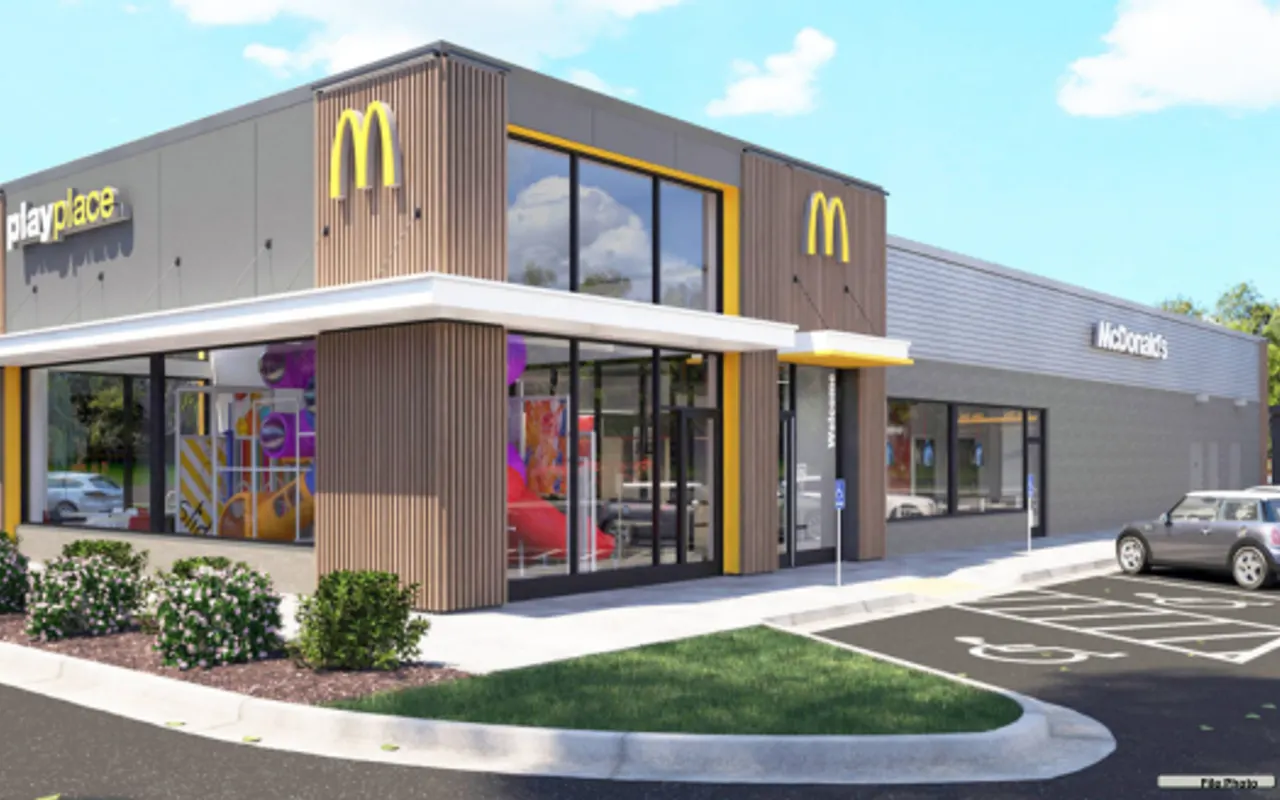
Confirm the lease signatory (corporate versus franchisee), the option chain and next rent bump, and the store's remodel status — locations that just received the "Experience of the Future" interior investment are ones the company intends to keep. Red flags are rare but real: a store the operator relocated across the intersection (check for recently permitted McDonald's sites nearby), rent that reflects a 1990s sales base, or a seller who can't produce estoppel confirmation of the reversion terms. On four-cap pricing, small term details are your entire margin of safety.
How McDonald's compares
Against Chick-fil-A, you trade roughly similar cap rates; Chick-fil-A brings the highest unit volumes in fast food ($6M+ average) while McDonald's brings the longer operating history and deeper location count. Against Taco Bell, the difference is the counterparty: Taco Bell deals are mostly large-franchisee paper at 100+ basis points wider. And against Burger King, the gap is starker still — comparable buildings, meaningfully different guarantee quality, and a pricing spread that shows exactly what the market thinks credit is worth.
McDonald's NNN FAQs
Why are McDonald's cap rates the lowest in net lease?
Three stacked advantages: an investment-grade corporate guarantee, a ground-lease structure with zero landlord duties, and site selection so good the company is effectively a real estate firm that sells burgers — its own filings show real estate producing most franchise-segment profit. Buyers accept 3.75–4.75% yields because the risk profile is closer to a corporate bond secured by a hard corner than to restaurant exposure.
In a McDonald's ground lease, who owns the building?
The tenant. McDonald's (or its franchisee, with corporate on the lease) builds and owns the improvements; you own the land. At the end of the full lease term — often 20 years plus decades of options — the building typically reverts to the landowner. During the term you have no roof, structure, parking, or maintenance exposure of any kind. Rent arrives; that's the entire relationship.
Do McDonald's leases have rent increases?
Usually 10% every five years, though older leases can run flat for stretches and some newer paper uses smaller, more frequent bumps. On a 4.25% cap deal, a 10%-per-five-years schedule pushes your yield on cost above 5.1% by year 15. Model the escalation schedule rather than the headline cap — two deals at identical caps can differ by 40 basis points of realized return.
Can I actually find McDonald's properties for sale?
Supply is thin by design — owners hold them for generations, and estates and 1031 rebalancing produce most listings. A typical year sees only a few hundred trade nationally. That scarcity is why serious buyers register criteria in advance: when a deal breaks at a defensible price, it's often under contract within days, frequently to a buyer who saw it before the portals did.
Is a franchisee-operated McDonald's still corporate credit?
Check the signature block. McDonald's controls the real estate on most U.S. locations and is usually your lease counterparty even when a franchisee runs the store — that's the structure buyers pay premiums for. Occasionally a franchisee holds the lease directly; those deals price 75–150 basis points wider and belong in a different underwriting bucket entirely.
Keep Exploring
Browse
States with Inventory
Run the Numbers
Buying a McDonald's? Get every matching deal — on and off market.
Free buyer representation. No obligation. Reply within 24 hours.