
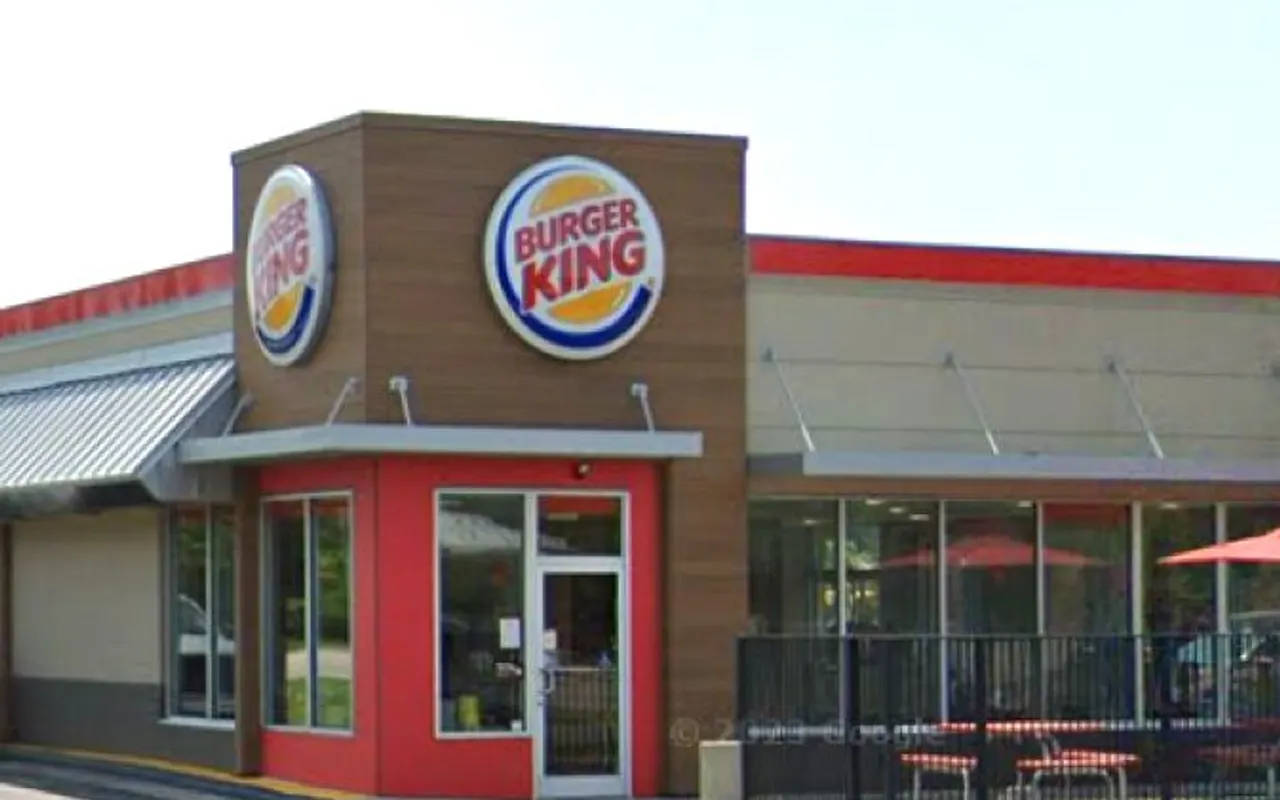
Burger King NNN Properties for Sale
Burger King is deep-value QSR: real drive-thru corners under a global brand, priced 100–200 basis points wide of the segment leaders because the system spent the 2020s in visible, expensive repair. For buyers who underwrite operators store-by-store, the post-purge fleet offers the sector's best yield-per-unit-of-actual-risk — bought with eyes open.
Quick Facts
- Typical cap range
- 5.75–7.25%
- Lease type
- NNN (fee simple typ.)
- Typical term
- 15–20 yr
- Credit
- Franchisee-guaranteed — underwrite the operator
- Guarantee
- Varies — franchisee entity
Burger King Listings
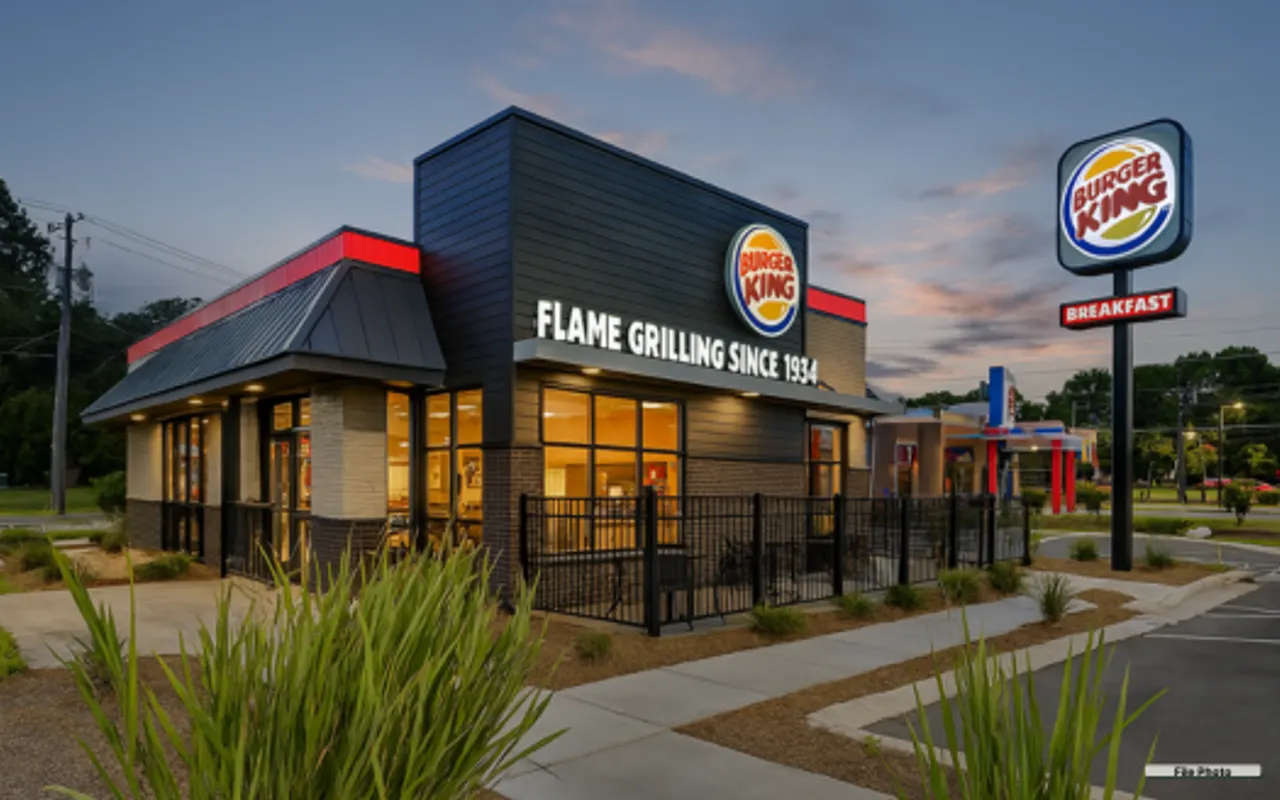
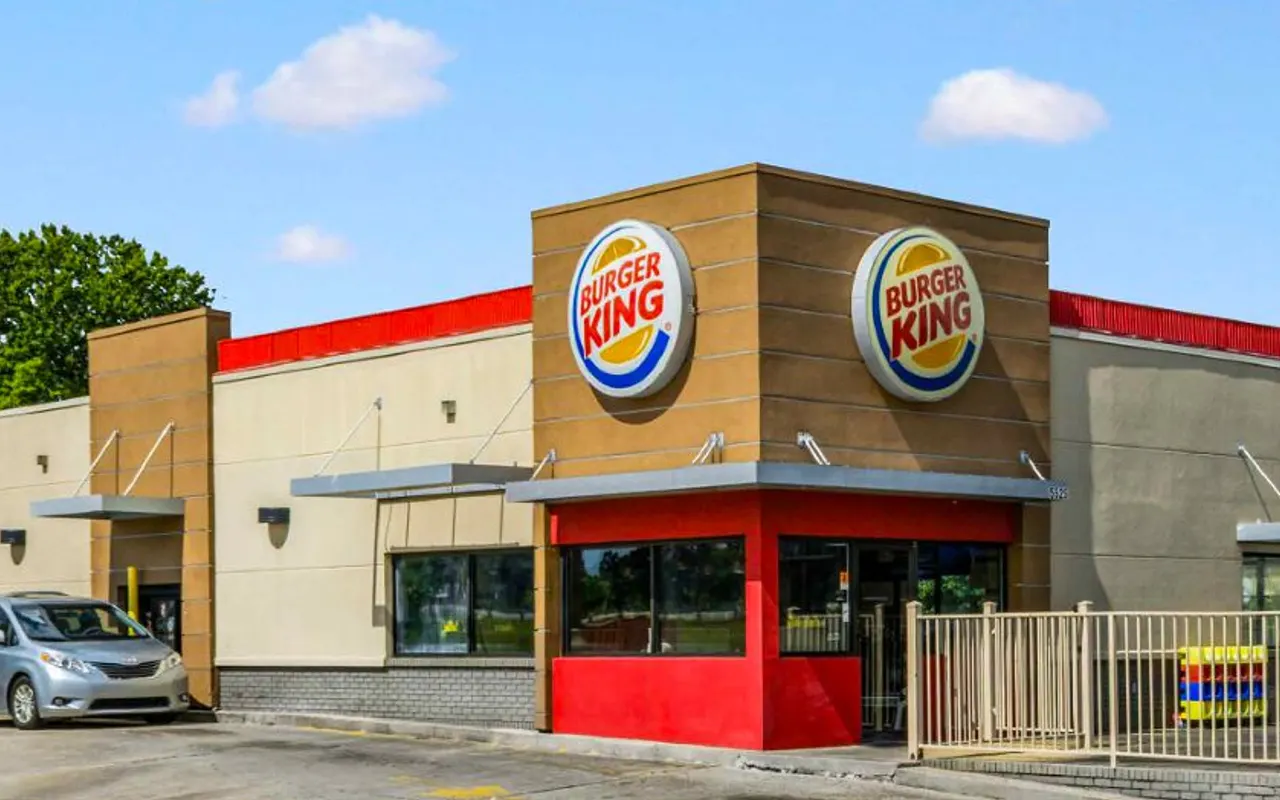
Listing information is deemed reliable but not guaranteed — pricing, cap rates, and lease terms are subject to change, prior sale, or withdrawal without notice.
Get off-market Burger King deals
Lease structure
The market carries three vintages: legacy fee-simple deals from the chain's 1970s–90s buildout (shorter terms, mixed NN/NNN allocations, older 2,700–3,200 square foot buildings), refranchising sale-leasebacks (15–20 year NNN, standard escalations), and Reclaim-era paper — remodel-linked extensions and the Carrols-transition leases with their planned refranchising. Options run 5-year standard; escalations cluster at 10% per five. Documentation archaeology matters here: five decades of amendments, assignments, and franchisee successions ride many of these leases.
Credit and guarantee
Restaurant Brands International (QSR on the NYSE, ~$45B systemwide across brands) owns the flag but almost never your lease — guarantees come from franchisee entities whose quality now spans reorganized-and-recapitalized platforms, long-tenured family operators, and the corporate-held Carrols transition stores. The 2023 bankruptcies taught the sector's clearest lesson in reading operator financials rather than brand logos; apply it. Post-purge, surviving operators cleared a real solvency test, which is its own form of diligence already performed.
What drives cap rates
Remodel status is the sharpest signal in the system — Sizzle-remodeled stores with extended terms trade materially inside unremodeled peers. Operator identity ranks next (reorganized platform? multi-brand operator? corporate transition store?), then the familiar QSR stack: sales versus the ~$1.6M average, rent-to-sales ratio, term remaining, corner and lane quality. Geography adds spread; BK yield deals in the Midwest print the widest numbers in brand-name QSR, which is exactly where basis-focused buyers shop.
Buyer criteria and red flags
Require: guarantor entity financials — at minimum unit count and tenure; remodel documentation; sales figures (post-2023 sellers share them more readily); and the full amendment chain. Red flags: franchise agreements expiring before the lease term (misalignment invites walkaways), stores skipped by the remodel program in remodeled markets, rent above 10% of disclosed sales, and buildings carrying original 1980s systems behind fresh paint. Treat every BK deal as two purchases — an income stream from a specific operator, and a corner you might someday re-lease — and demand each stands on its own.
How Burger King compares
Wendy's offers the same era of real estate with steadier recent operator history at slightly tighter caps. McDonald's is the demonstration of what the identical corner trades for with corporate credit attached — the 200-basis-point spread between them is the cleanest credit lesson in net lease. Popeyes, an RBI sibling, shows the parent's playbook succeeding — growth-brand pricing under the same corporate umbrella. BK earns its allocation as the yield engine: bought post-remodel, from a proven operator, on a corner that would re-lease in a season.
Burger King NNN FAQs
Why is Burger King the widest-priced major burger brand in net lease?
A rough decade, honestly priced. Two of the system's largest franchisees went bankrupt in 2023 (Toms King and Meridian, 400+ combined stores), corporate closed several hundred underperformers, and average unit volumes (~$1.6M) trail Wendy's and lap-behind McDonald's. Caps of 6–7% on franchisee paper reflect all of it. The buyable insight: the purge removed the worst leases from circulation, and survivors carry better operators than the headlines suggest.
What is 'Reclaim the Flame' and why does it matter to my deal?
Restaurant Brands International's $2.2B turnaround program — remodels, tech, advertising — including corporate buying its largest franchisee (Carrols, 1,000+ stores) in 2024 specifically to remodel and refranchise them. A completed 'Sizzle' remodel on your building means fresh capital sunk into the site and typically a lease extension attached. An unremodeled store with no scheduled date is a candidate for the next closure round; the program's existence makes fleet status unusually legible.
Does the Carrols acquisition mean I might get corporate credit on a BK lease?
Temporarily, in a narrow slice. Stores RBI acquired through Carrols operate under corporate entities until refranchised — leases signed or assumed in that window can carry stronger paper than typical franchisee deals. It's transitional by design (RBI states it will re-sell to operators post-remodel), so underwrite the assignment provisions: your counterparty in year 5 is intended to be a franchisee again. Price the durable state, enjoy the interim one.
What's the re-lease story on a dark Burger King?
The format's saving grace. A 2,800-square-foot drive-thru box on a proven corner re-tenants to regional burger concepts, chicken challengers, taco chains, and coffee formats with modest conversion cost — the 2023 bankruptcy waves proved it, with most rejected leases finding restaurant users within 12–18 months. Expect 20–35% rent haircuts on older deals. Corner quality decides everything; BK's 1970s–80s site selection was genuinely good.
Keep Exploring
Browse
States with Inventory
Run the Numbers
Buying a Burger King? Get every matching deal — on and off market.
Free buyer representation. No obligation. Reply within 24 hours.