
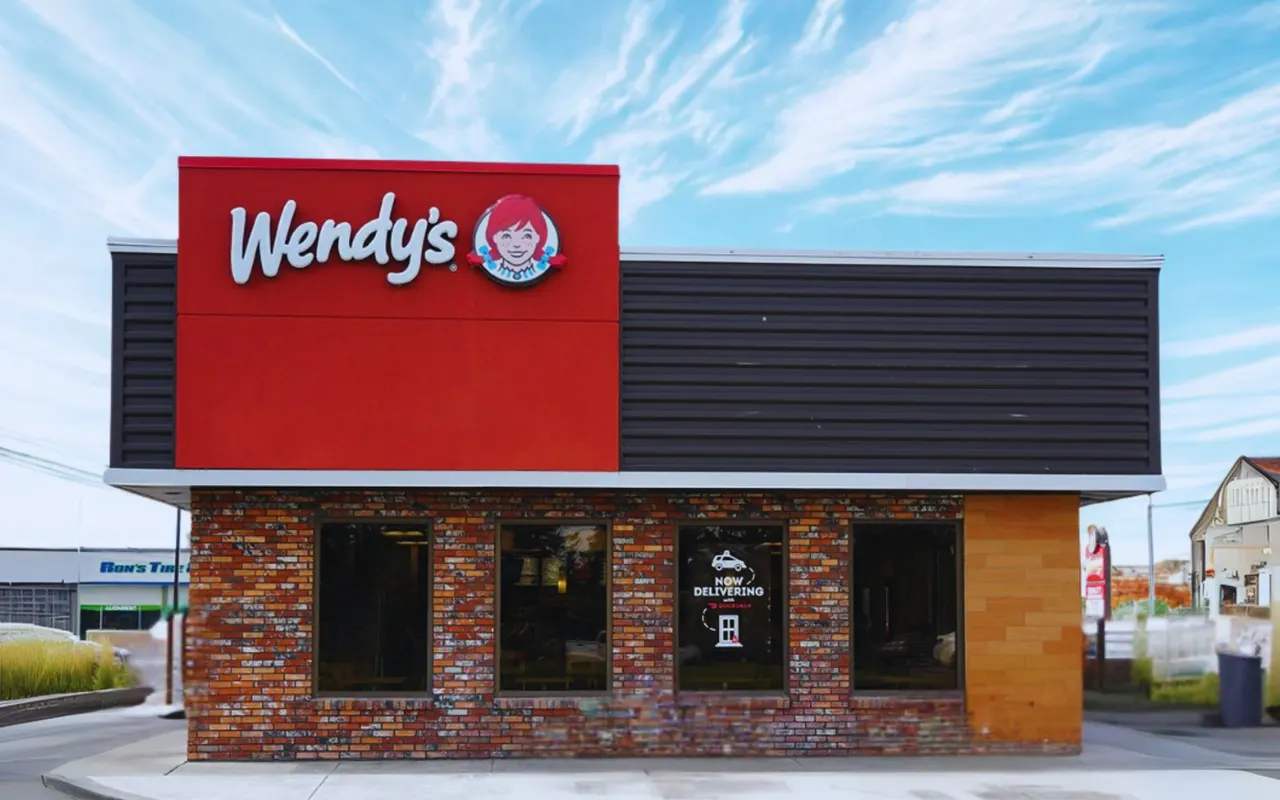
Wendy's NNN Properties for Sale
Wendy's is the value-hunter's corner in franchise QSR: hard-corner real estate assembled decades before land got expensive, guaranteed by an operator pool that consolidated sharply toward strength, at cap rates 75–125 basis points wider than the Taco Bell paper it competes with. The work is separating remodeled keepers from tired boxes riding out their terms.
Quick Facts
- Typical cap range
- 5.50–6.75%
- Lease type
- NNN (fee simple typ.)
- Typical term
- 15–20 yr
- Credit
- Franchisee-guaranteed (typ.) — underwrite the operator
- Guarantee
- Varies — franchisee entity
Wendy's Listings
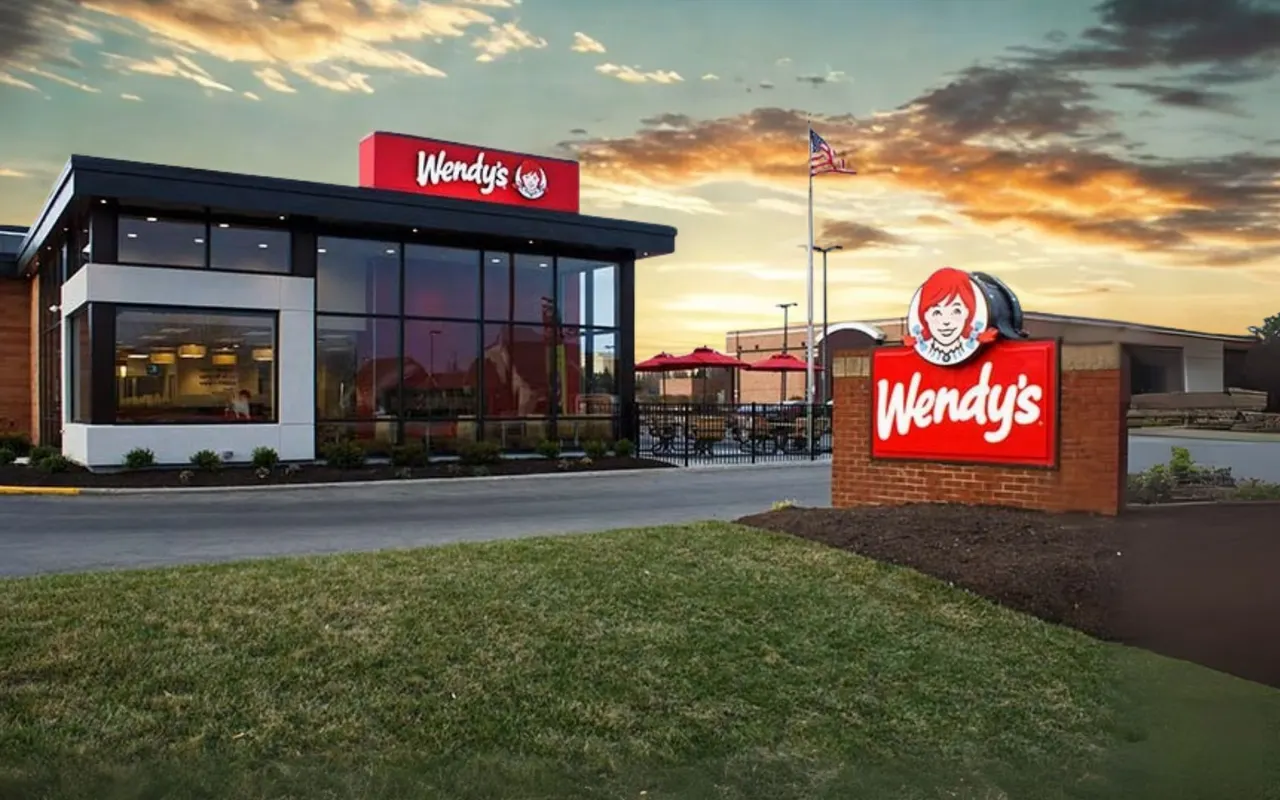
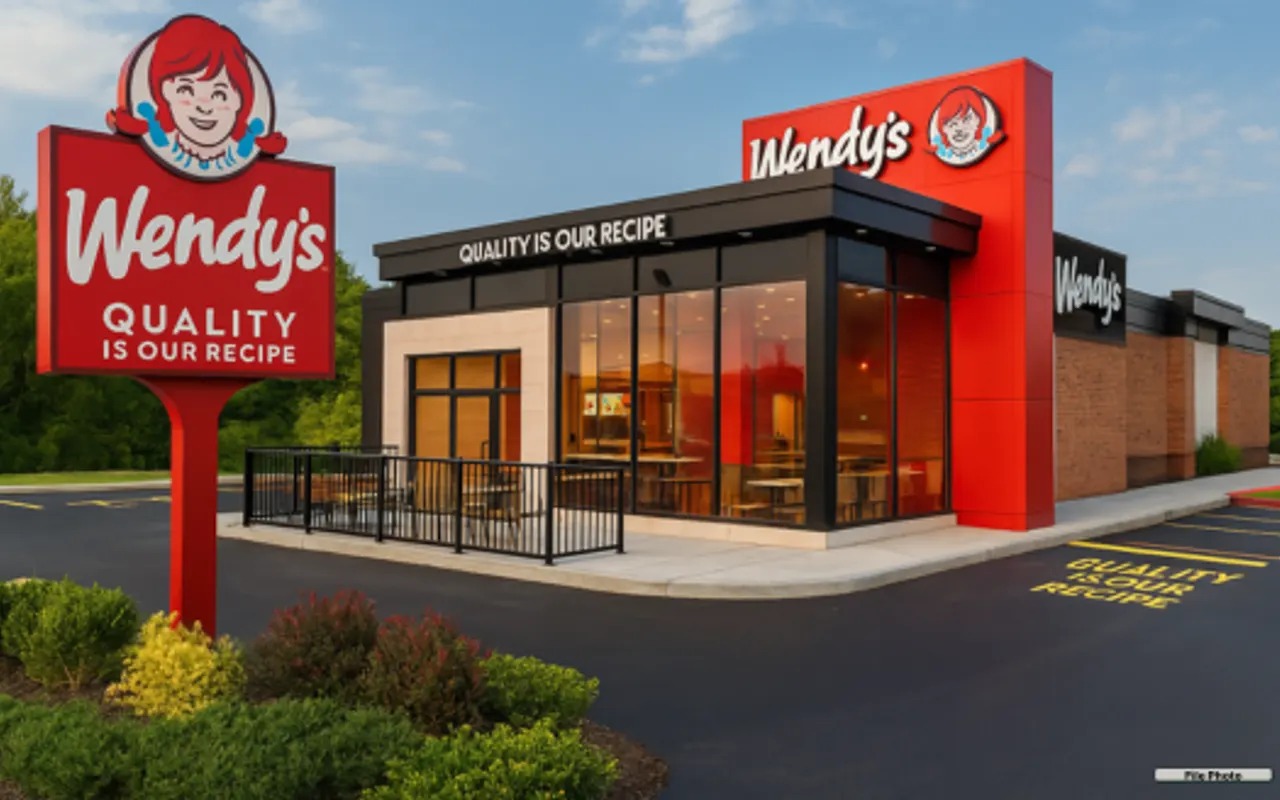
Listing information is deemed reliable but not guaranteed — pricing, cap rates, and lease terms are subject to change, prior sale, or withdrawal without notice.
Get off-market Wendy's deals
Lease structure
Tradeable Wendy's paper splits between refranchising-era sale-leasebacks (15–20 year NNN, 5-year options, 10%-per-five escalations) and older fee-simple deals with shorter remaining terms and mixed maintenance allocations. Absolute-net is common on newer paper; legacy leases frequently retain landlord roof-and-structure — a live issue on 35-year-old buildings. Ground leases surface occasionally on the chain's best corners. The remodel program adds a documentation layer: amendments funding Global Next Gen work sometimes extended terms or adjusted rent, so pull every amendment.
Credit and guarantee
The Wendy's Company (~$2.2B revenue, 7,000+ global units) polices the system but rarely signs your lease. Guarantor analysis is the underwriting: Flynn Group and a handful of 100+ unit platforms represent institutional-grade paper; mid-tier operators of 20–60 stores are solid with disclosure; small guarantors price like the local businesses they are. The 2023–25 operator consolidation upgraded the average signature — and made "who owns this franchisee now" a question worth re-asking even on recent deals.
What drives cap rates
Operator scale and remodel status lead. A Next Gen-remodeled store under a mega-franchisee guarantee with 15+ years of term prices near the segment's tight end; an unremodeled 1988 building with 6 years left under a 15-unit guarantor trades a full point wider — same brand, different investment species. Between those poles: store sales versus the $2.1M average, rent-to-sales in the 7–9% band, corner geometry, and whether breakfast-era volumes are reflected in the rent basis or still upside.
Buyer criteria and red flags
Get the operator's unit count, the remodel completion certificate (or scheduled date and funding source), and trailing sales where available. Confirm maintenance allocation against building age. Red flags: unremodeled stores whose franchise agreements have remodel deadlines inside your hold period (someone pays for that work, and negotiations land on landlords more than buyers expect), rent set off pre-breakfast sales peaks, operators recently in the trade press for lender trouble, and corners where road widening will take the parking that makes a 1980s site function. The old-fleet dynamic means physical diligence — roof, HVAC vintage, lot condition — carries unusual weight for a QSR purchase.
How Wendy's compares
Burger King is the direct comp: similar vintage fleets, similar franchisee architecture, with Wendy's carrying stronger unit volumes and a cleaner recent operator story — it typically earns 25–50 basis points of premium. Taco Bell trades tighter on brand momentum. McDonald's isn't really a comp — it's the corporate-paper alternative at 150+ basis points less yield. Wendy's wins for buyers targeting real corners with real yield who are willing to underwrite the specific operator and the specific roof.
Wendy's NNN FAQs
How franchised is the Wendy's system, and why should a landlord care?
About 95% of 6,000 U.S. locations — so your lease almost certainly carries a franchisee guarantee, and the operator's scale is your real credit. Wendy's franchisee ranks include billion-dollar platforms (Flynn Group, the largest restaurant franchisee in America, runs hundreds of Wendy's) down to single-market family operators. The same building with the same brand can deserve caps 100 basis points apart depending on who signed.
What's distinctive about Wendy's real estate compared to other burger chains?
Vintage and corners. Wendy's built aggressively in the 1980s–90s, so its fleet skews older — full-size 3,000+ square foot buildings with dining rooms on strong hard corners the chain claimed decades ago. That cuts both ways: excellent dirt, aging boxes. The 'Global Next Gen' remodel program is modernizing the fleet; a completed remodel resets the building question and signals both operator and corporate commitment to the site.
Does Wendy's breakfast and late-night push change store values?
It changed the revenue math. The 2020 breakfast launch added a daypart worth 8–10% of sales at mature stores, and extended late-night hours leverage the same asset harder. Average unit volumes climbed past $2.1M. For landlords, higher AUVs mean better rent coverage on existing leases — worth checking whether your store's sales data pre- or post-dates the daypart additions when a seller shares trailing numbers.
What happened with Wendy's franchisee health after the 2023–25 shakeout?
The system culled weak operators. Corporate pushed underperformers to sell to stronger platforms, closed a few hundred low-volume stores, and tightened remodel enforcement. Net effect for lease buyers: today's guarantor pool is more consolidated and better capitalized than five years ago, but the closures proved corporate will let marginal locations die. Store-level sales and the operator's system standing are the two questions that matter.
Keep Exploring
Browse
States with Inventory
Run the Numbers
Latest Insights
Buying a Wendy's? Get every matching deal — on and off market.
Free buyer representation. No obligation. Reply within 24 hours.