
Quick-Service Restaurants — NNN Properties for Sale
Quick-service restaurants are the largest and most liquid slice of the single-tenant net lease market. Roughly one in four NNN trades nationally is a QSR pad, and the buyer pool — 1031 exchangers, family offices, first-time passive investors — is deep enough that well-priced deals under $2.5M routinely go to multiple offers.
Quick-Service Restaurants Tenants
- McDonald's3.75–4.75% cap Unmatched financial security, corporate-backed stability
- Chick-fil-A3.90–5.00% cap Industry-leading average store sales volumes
- Taco Bell5.25–6.50% cap Yum! Brands banner, low-cost quick-service resilience
- KFC5.75–7.00% cap Yum! Brands banner, resilient drive-thru economics
- Chipotle4.75–5.75% cap Leases backed by corporate, not franchisees
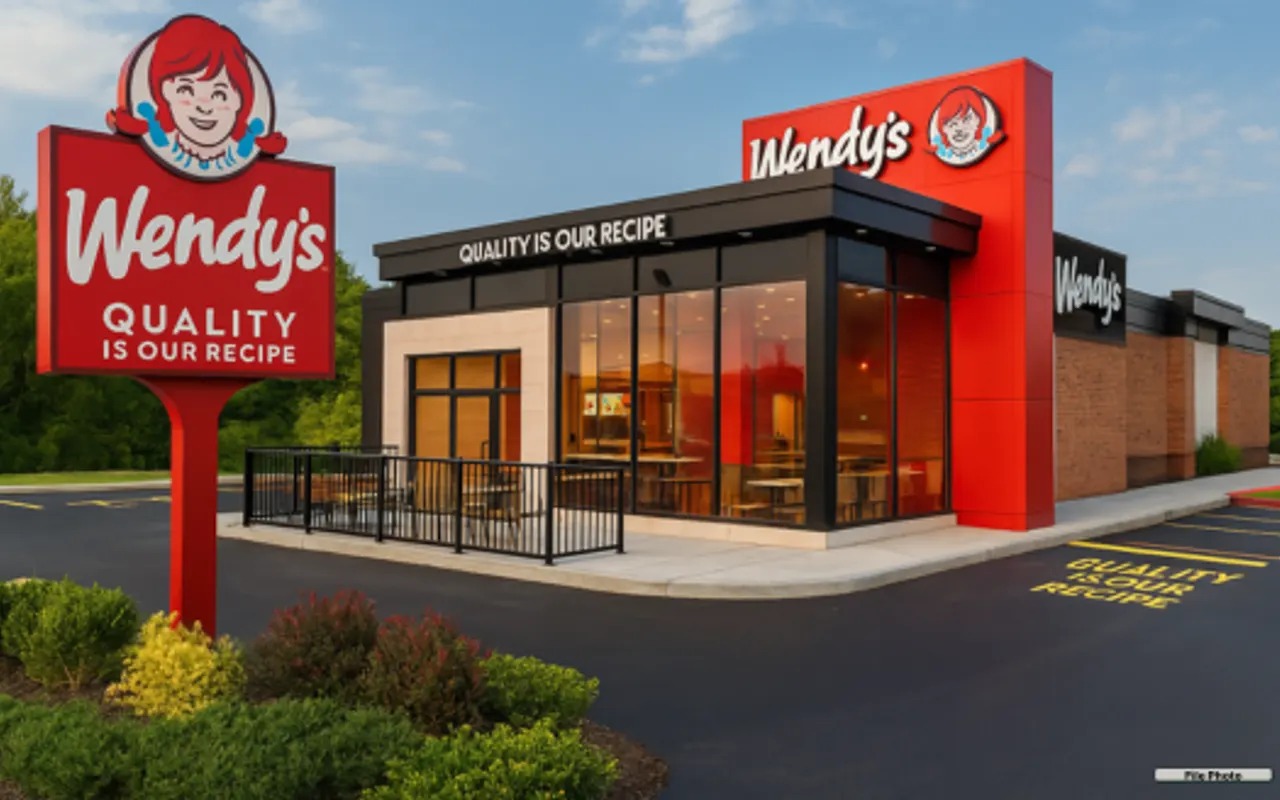
- Wendy's5.50–6.75% cap
- Burger King5.75–7.25% cap
- Popeyes5.50–6.75% cap
- Starbucks5.00–6.00% cap Corporate-backed leases, elite site selection
- Dutch Bros4.75–5.75% cap
- Dunkin'5.50–6.75% cap
- Pizza Hut6.50–8.00% cap
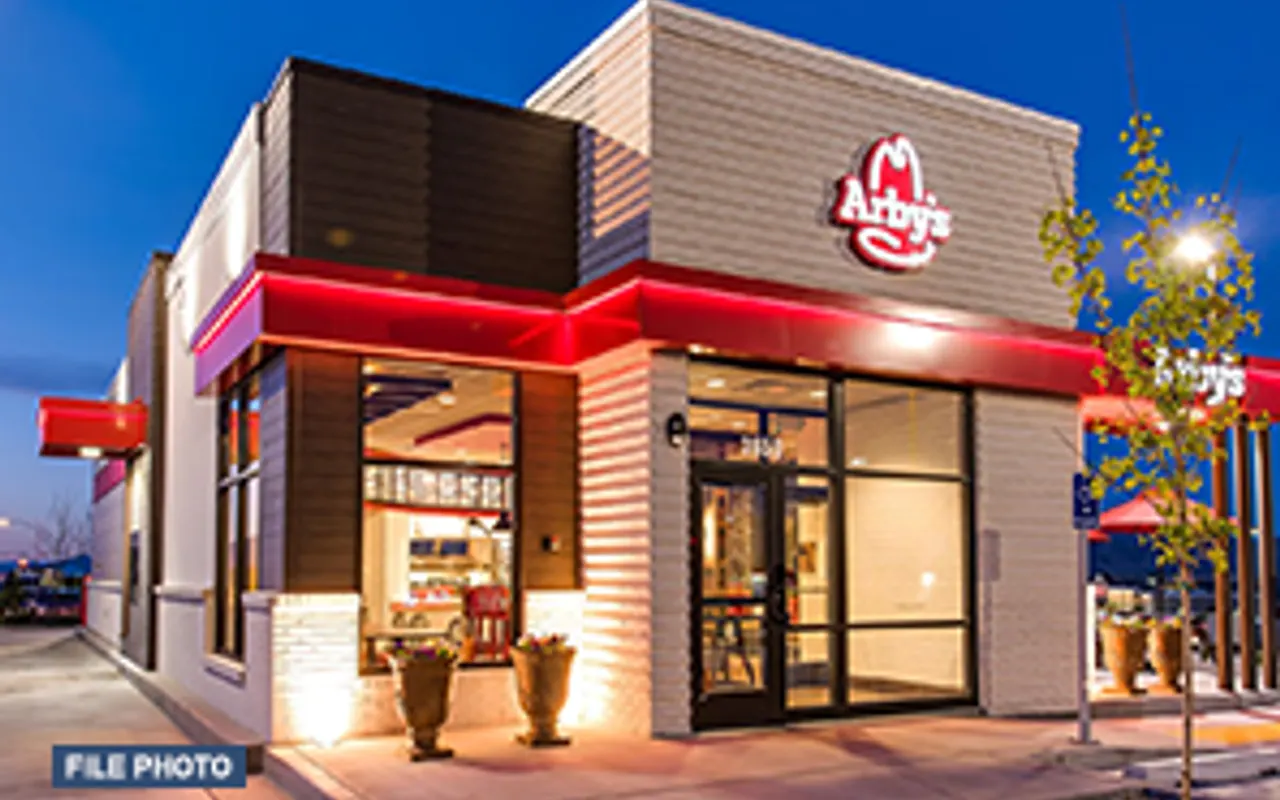
- Arby's6.00–7.25% cap
Current Listings
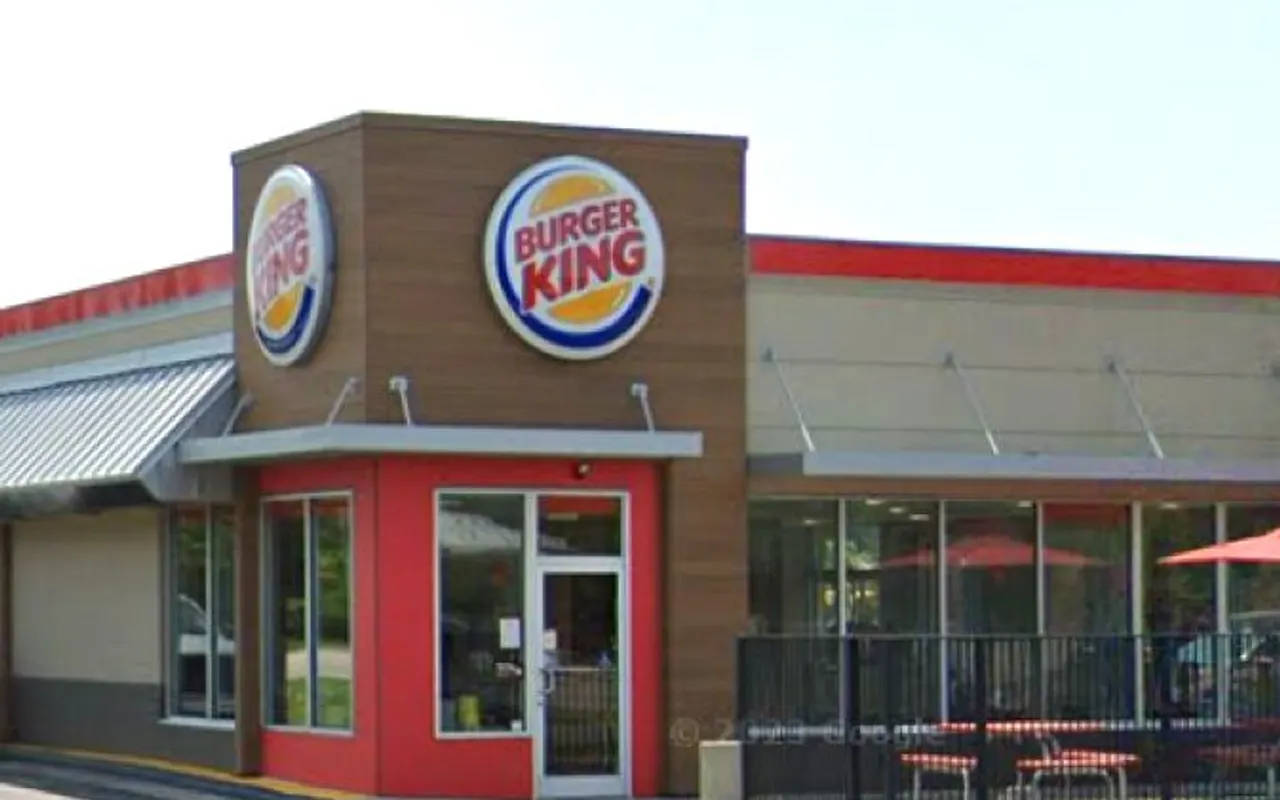
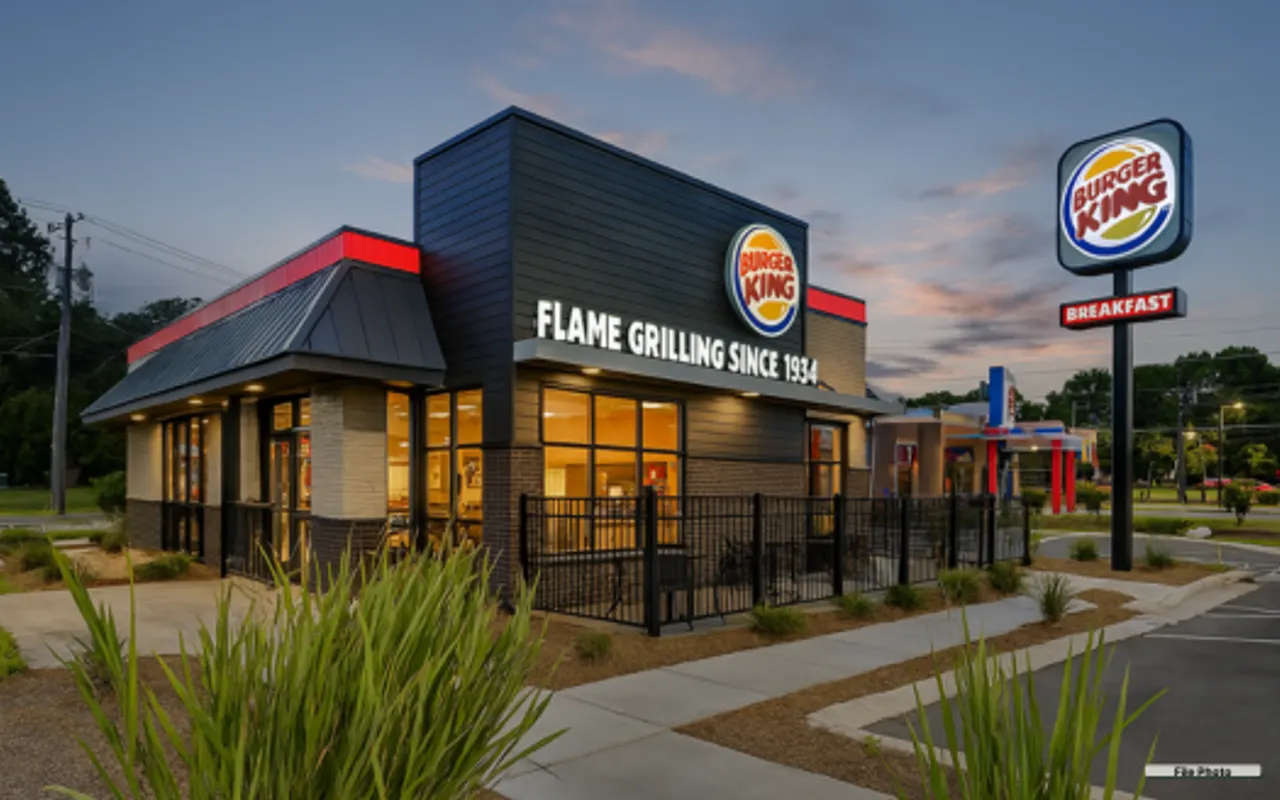
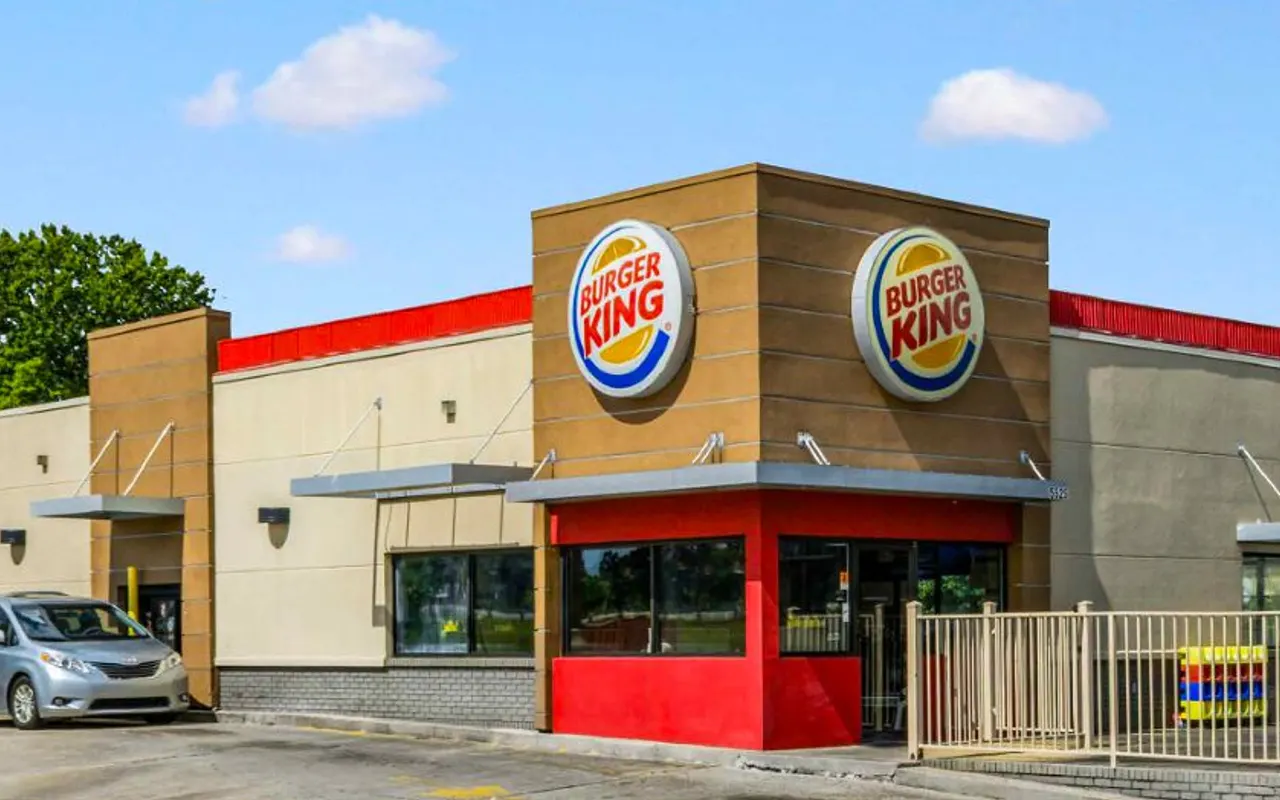
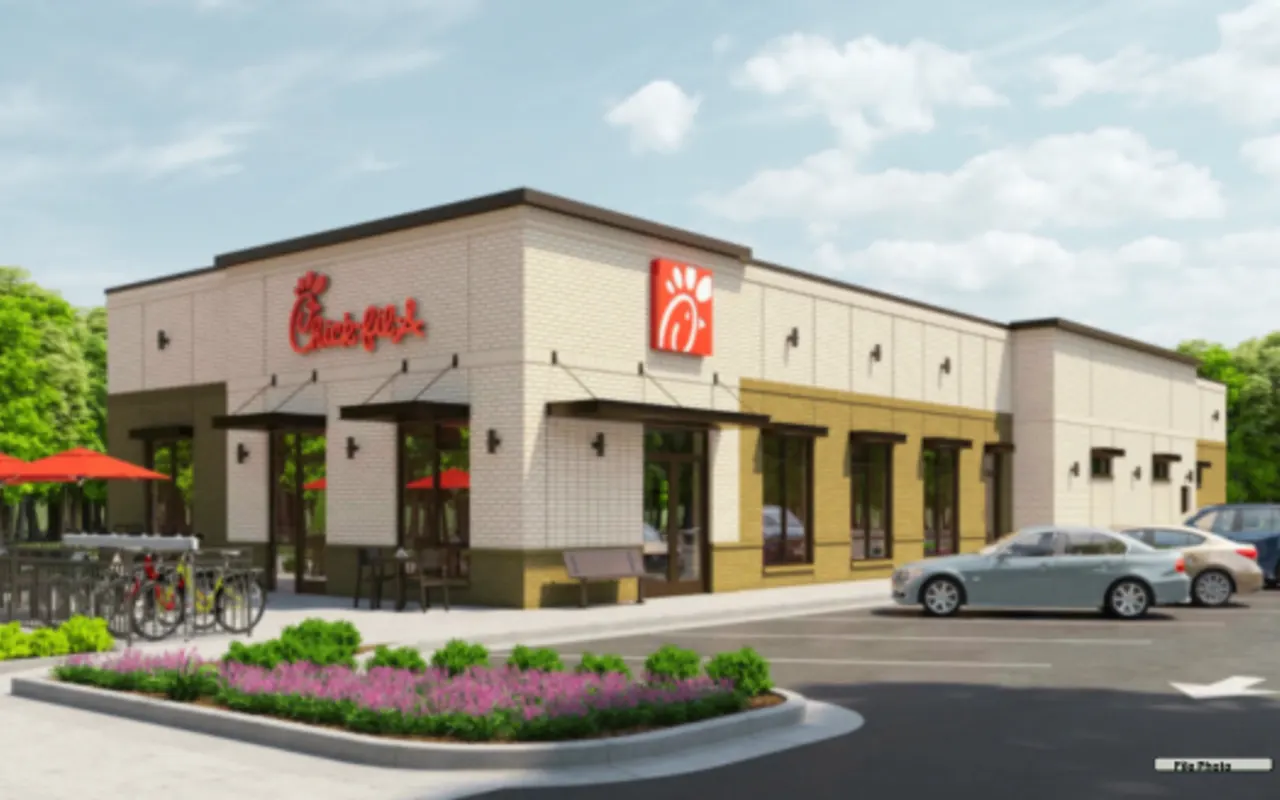
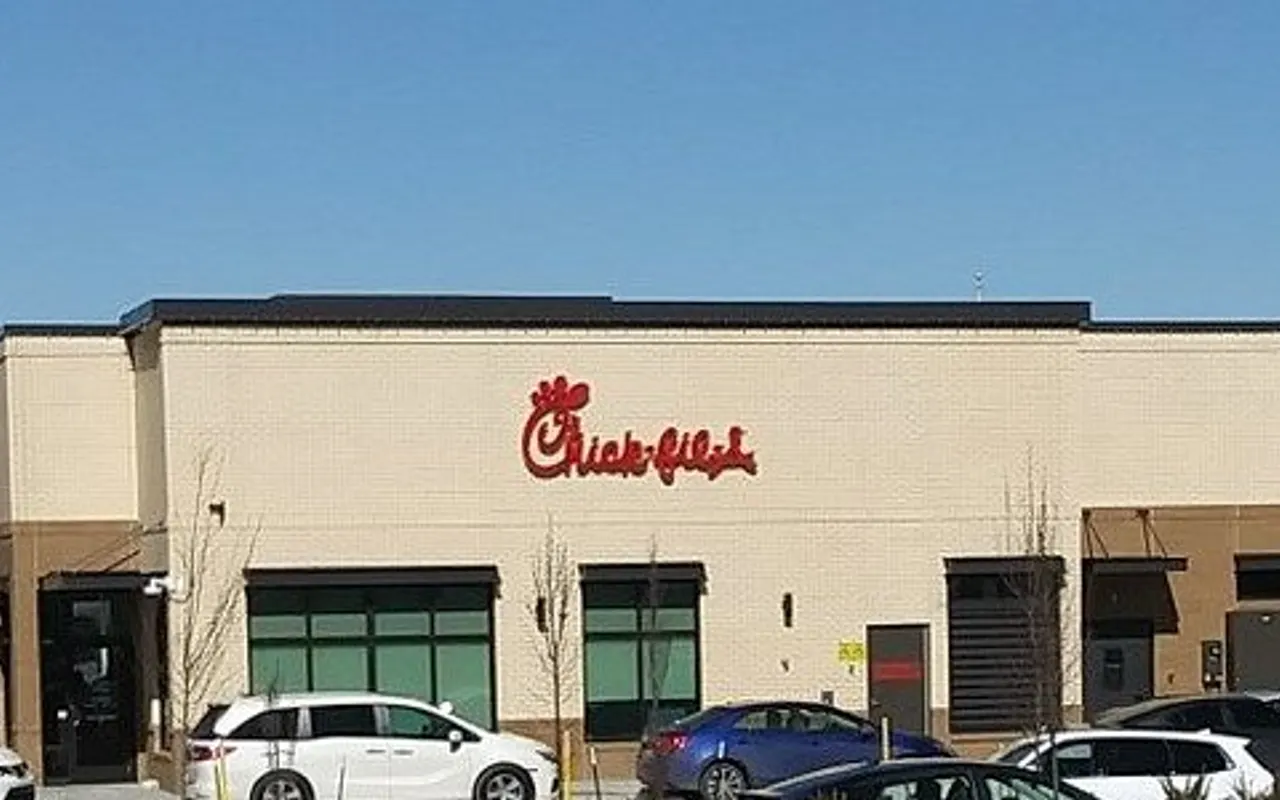
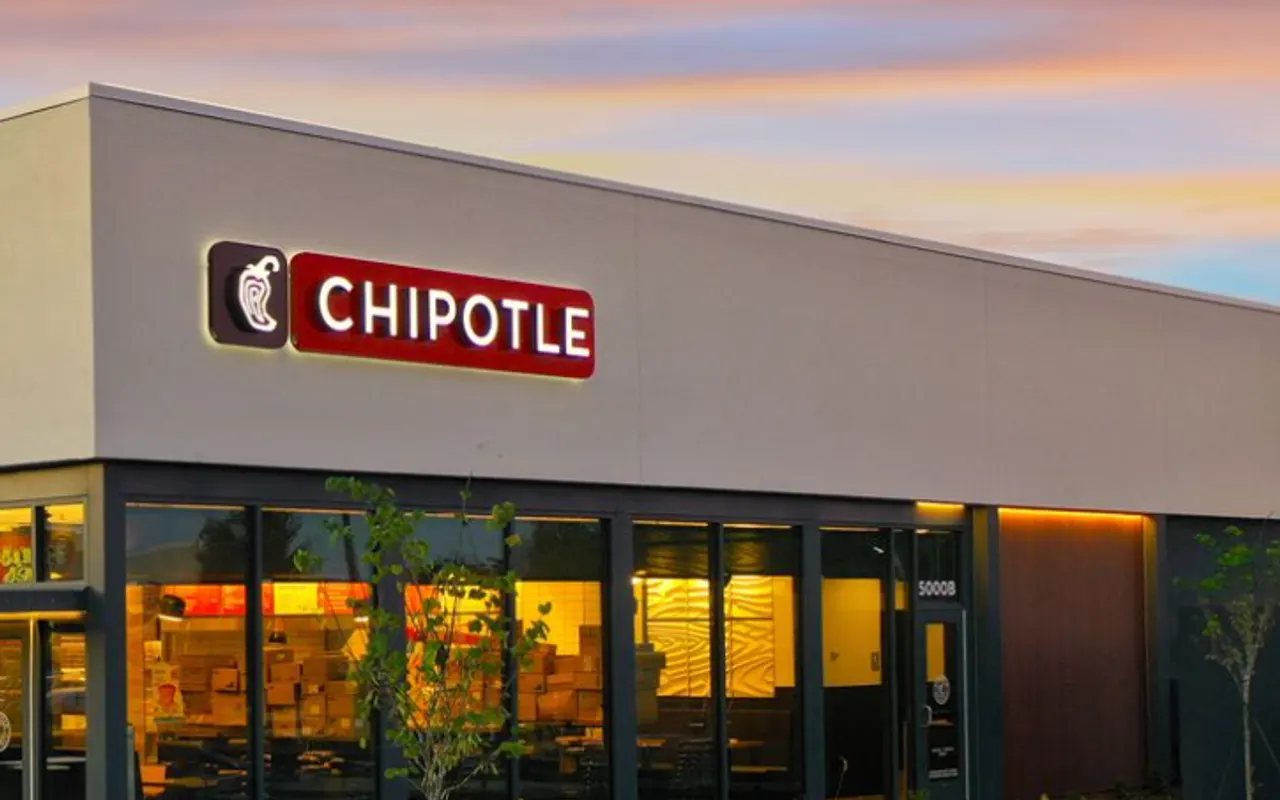
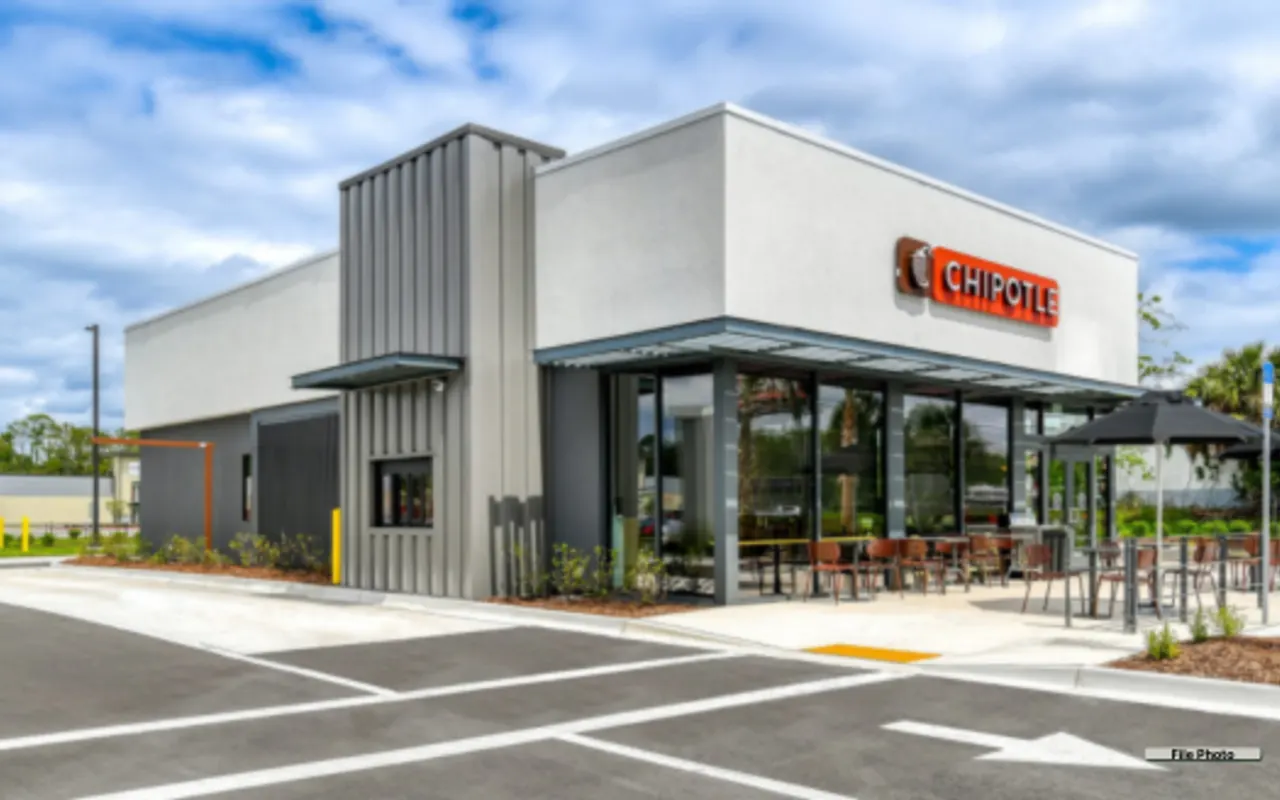
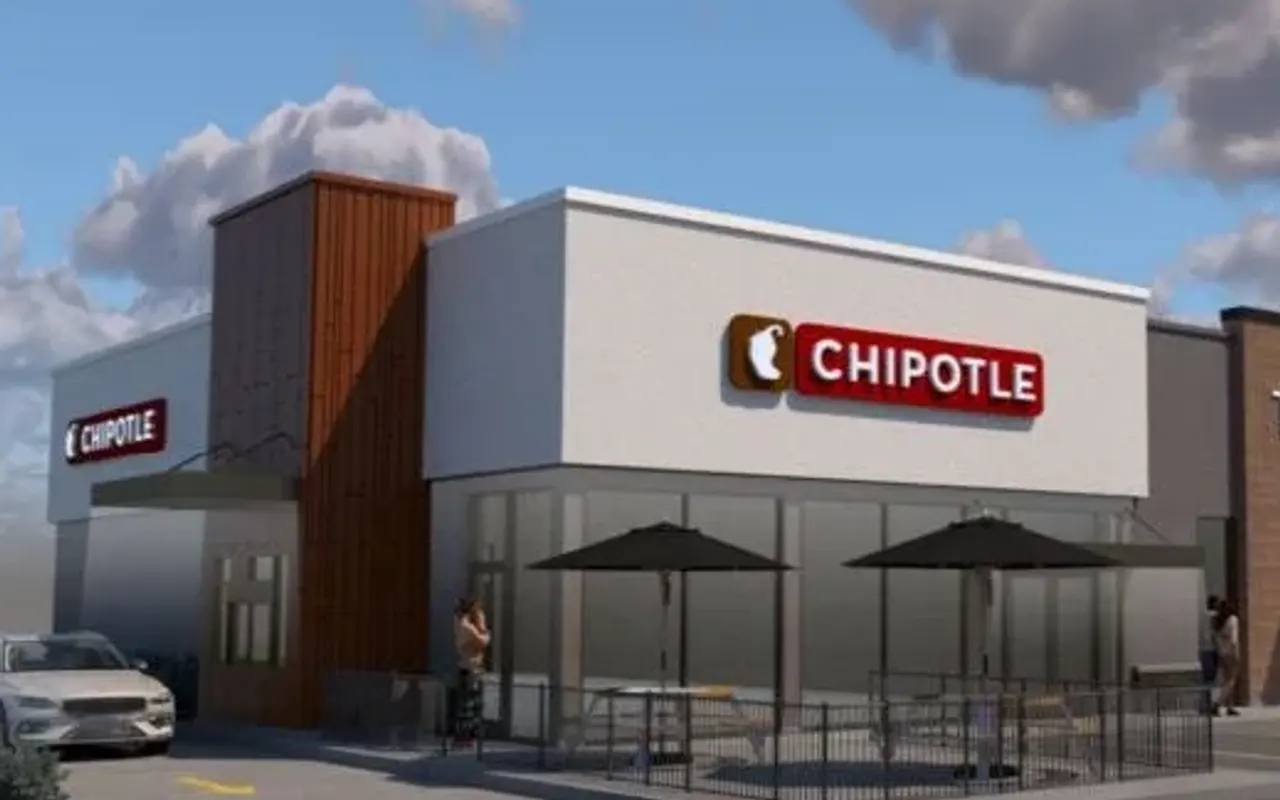
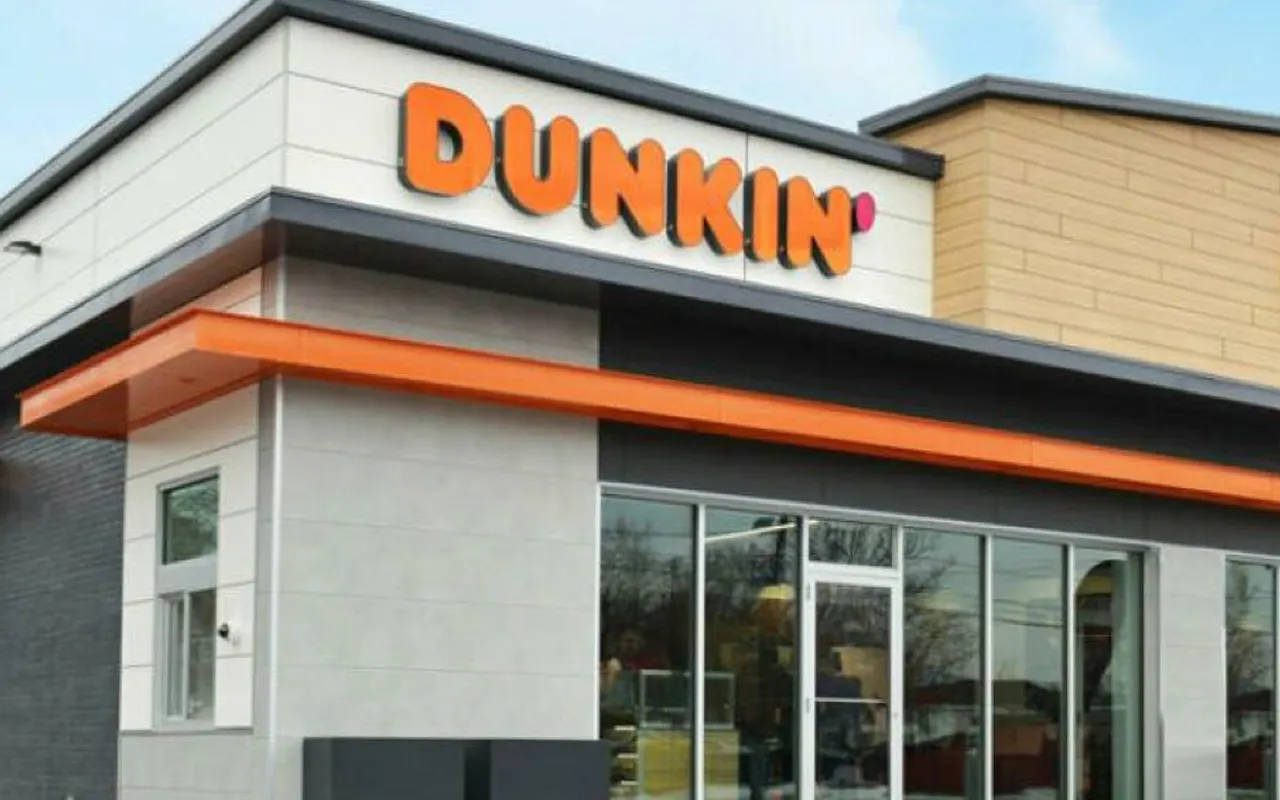
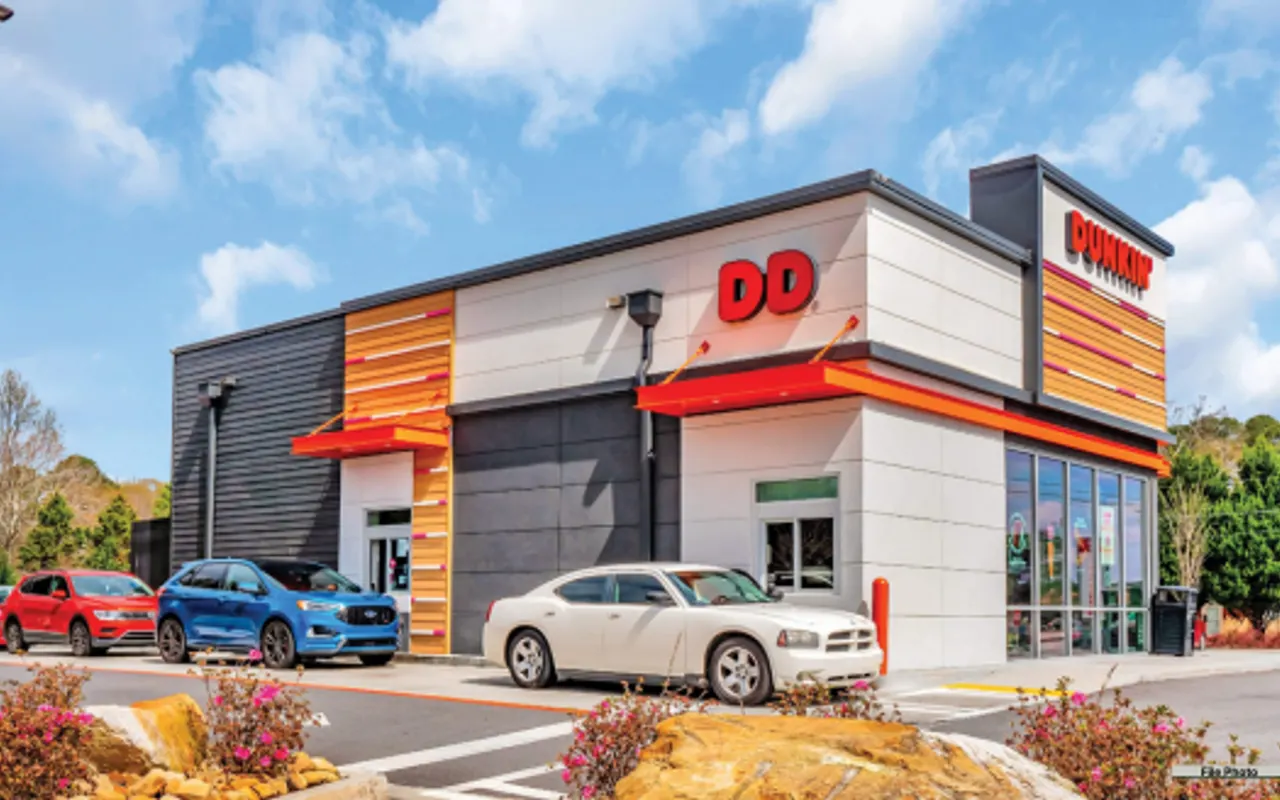
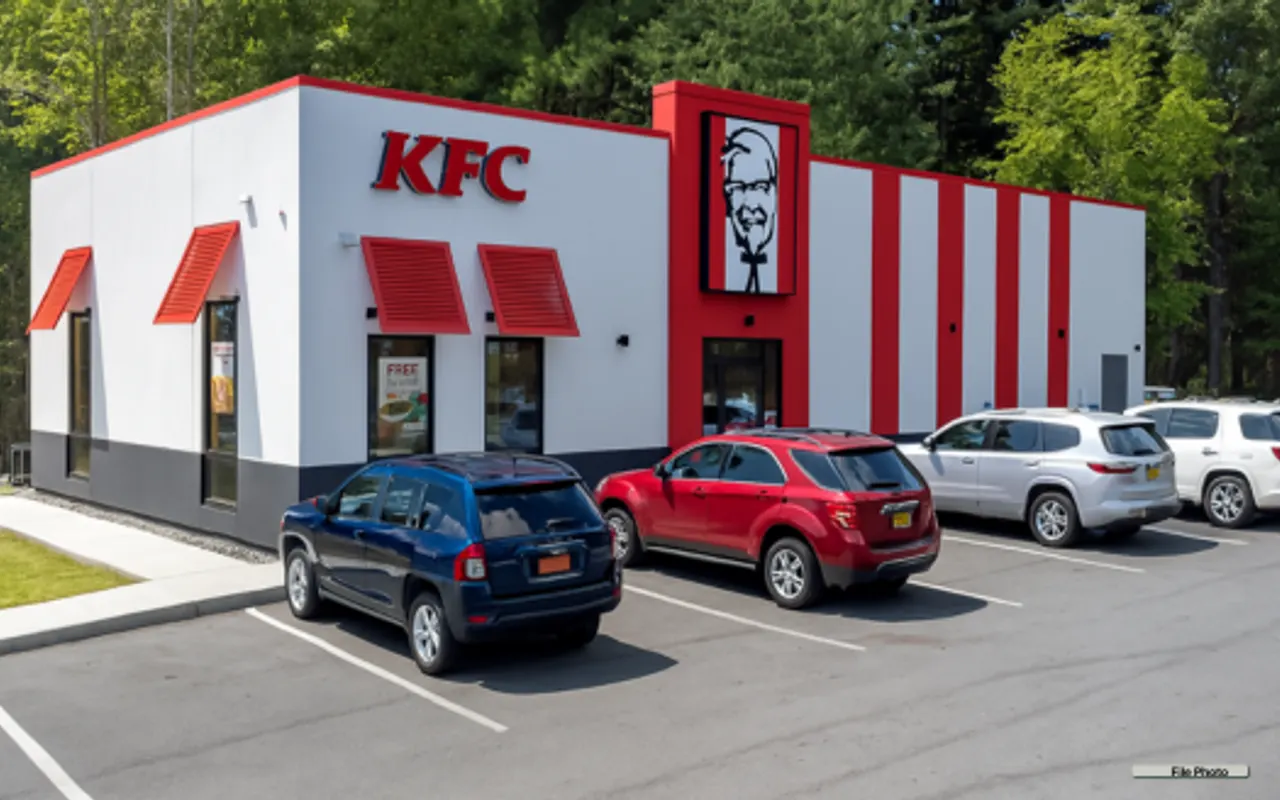
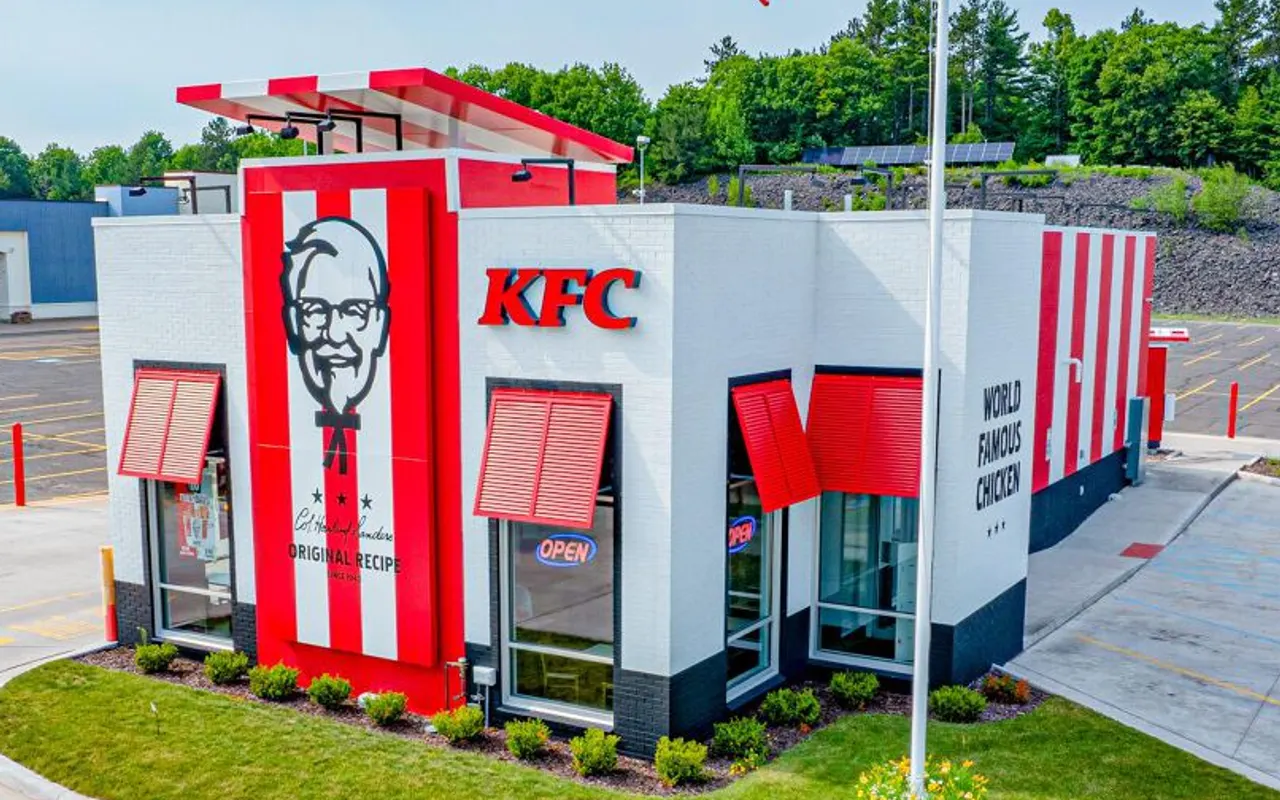
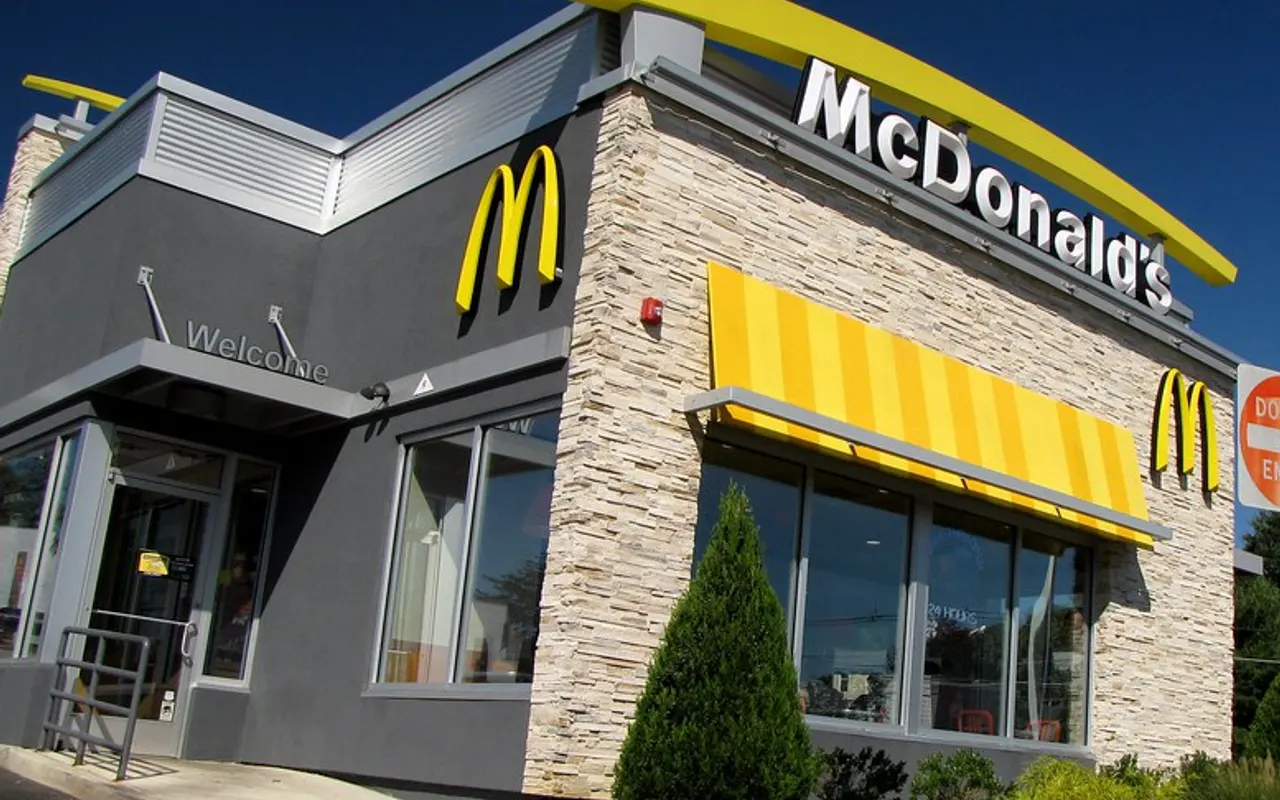
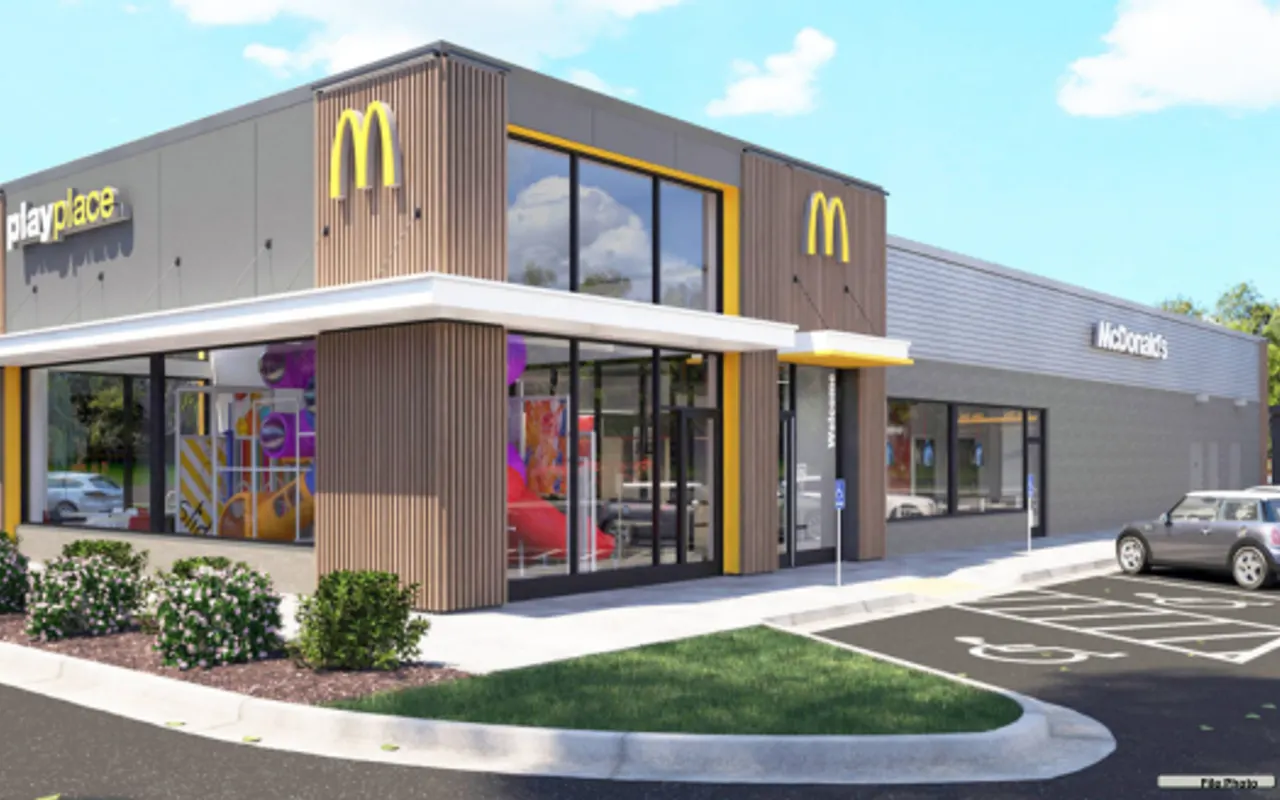
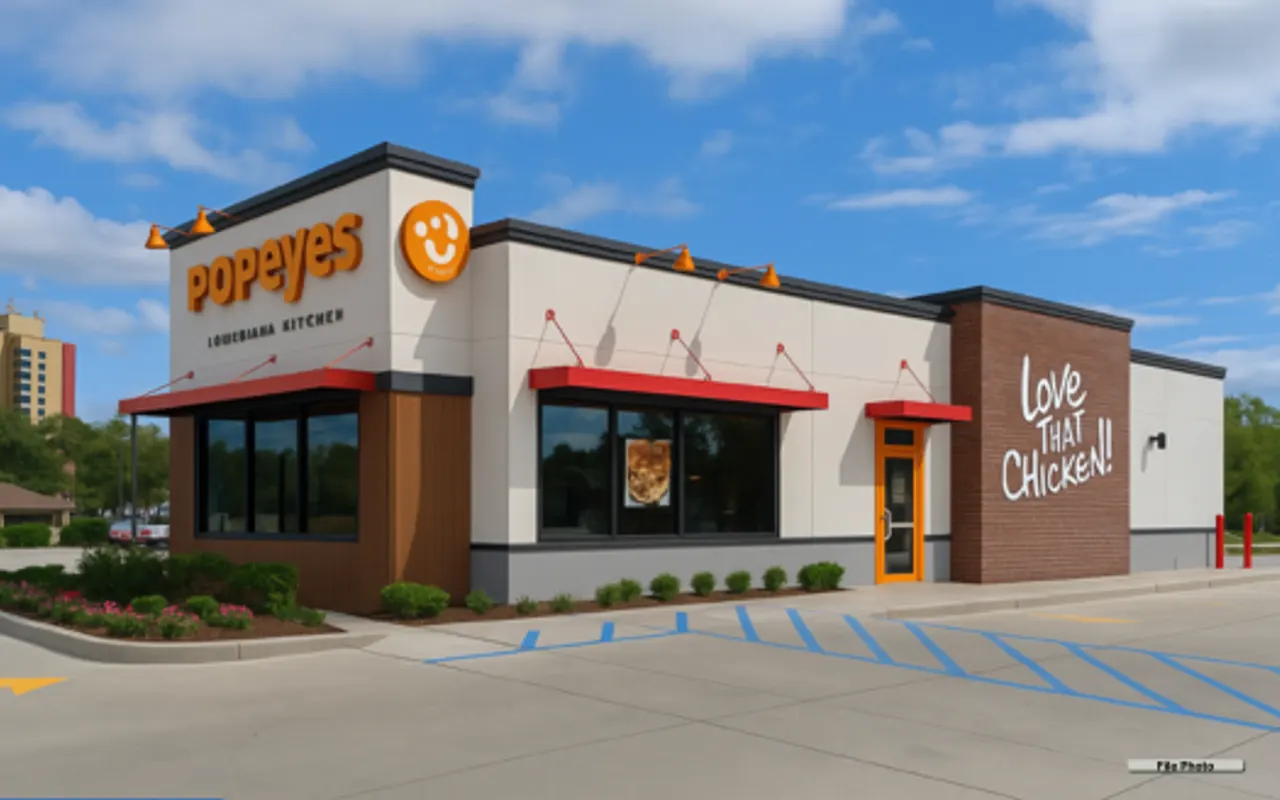
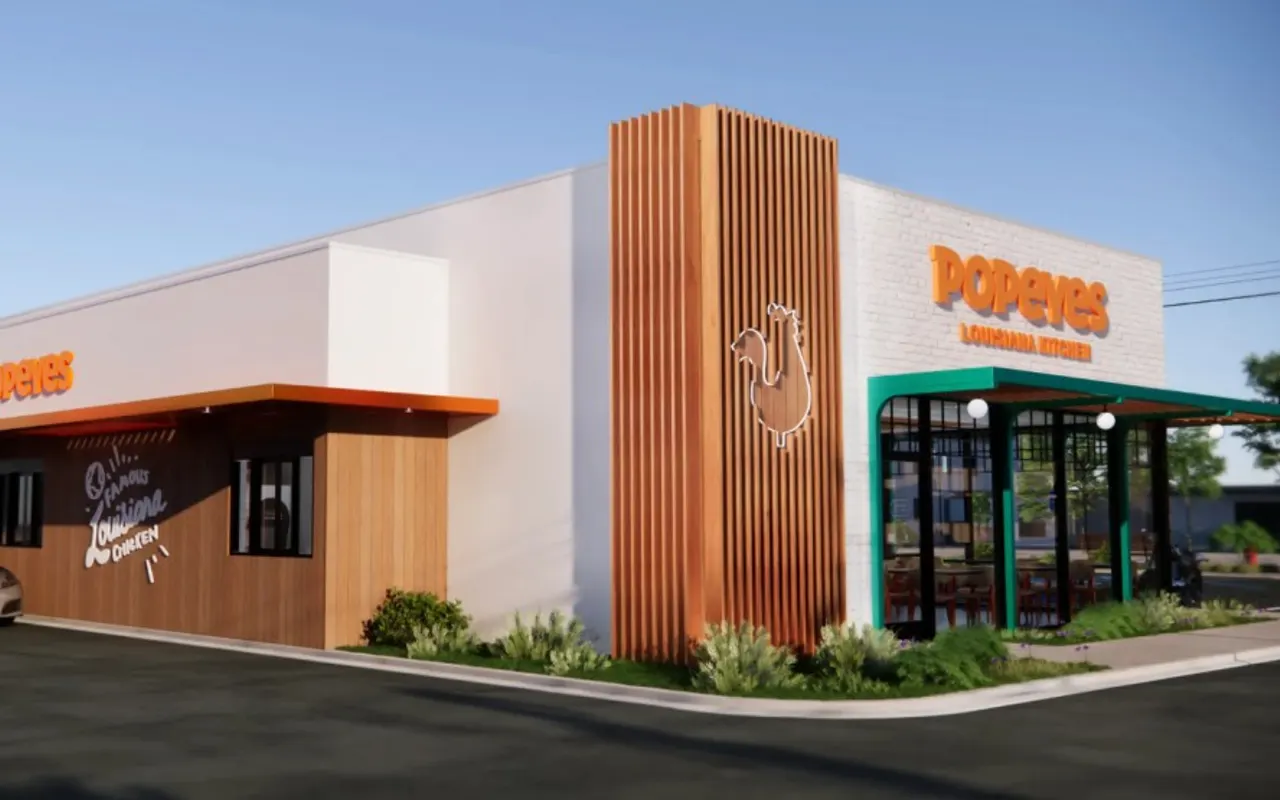
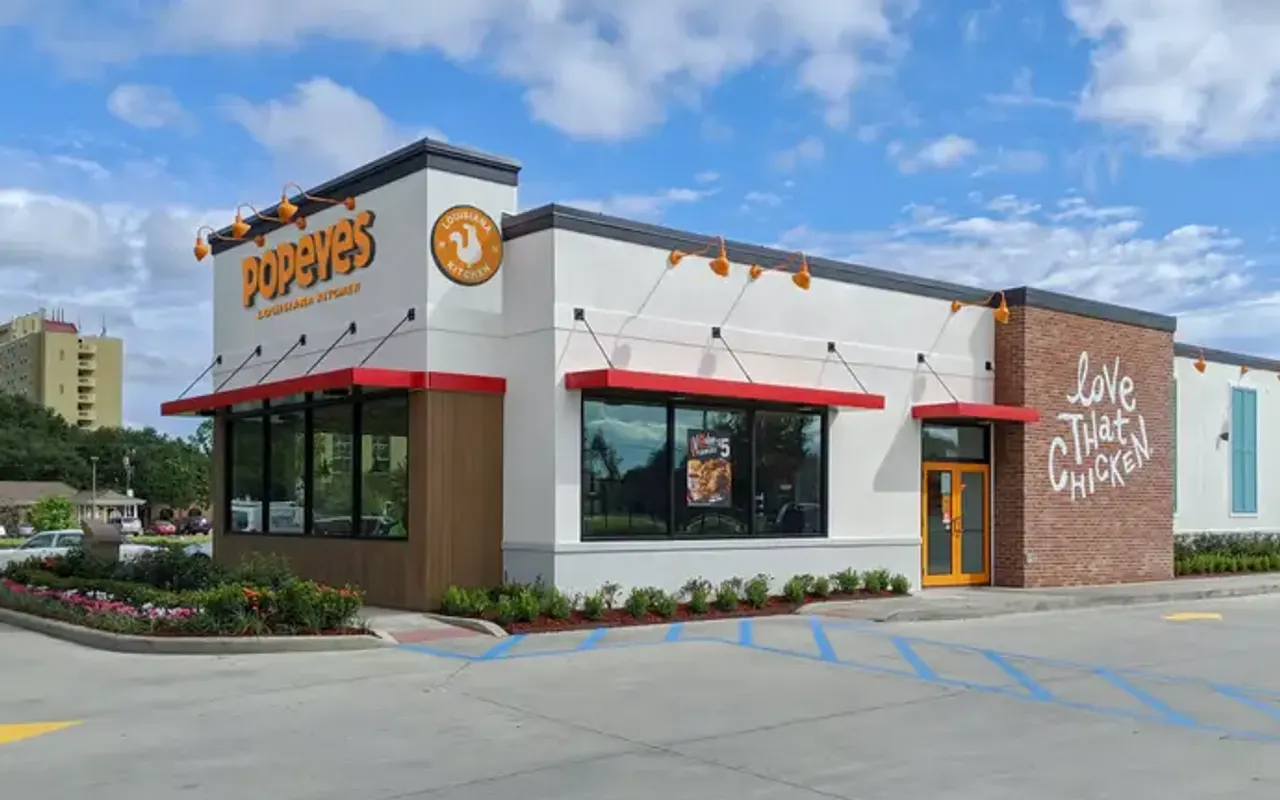
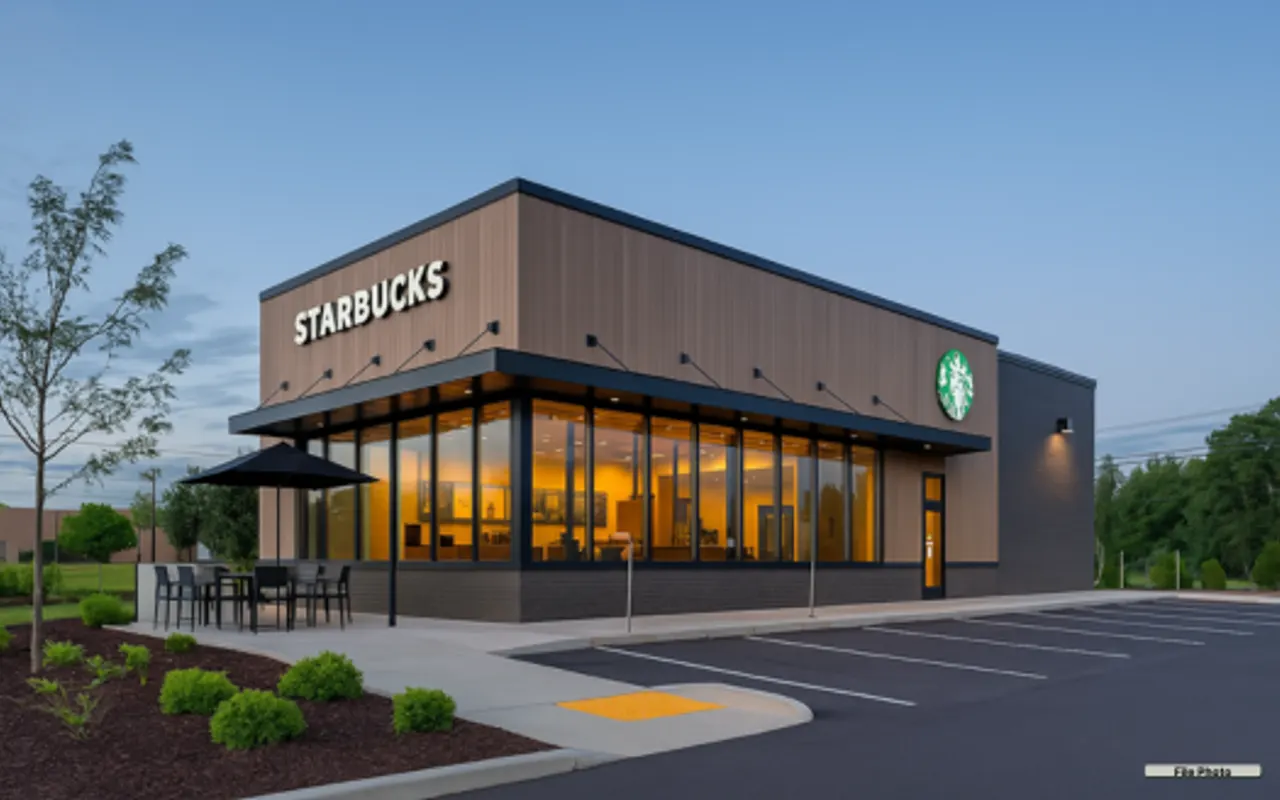
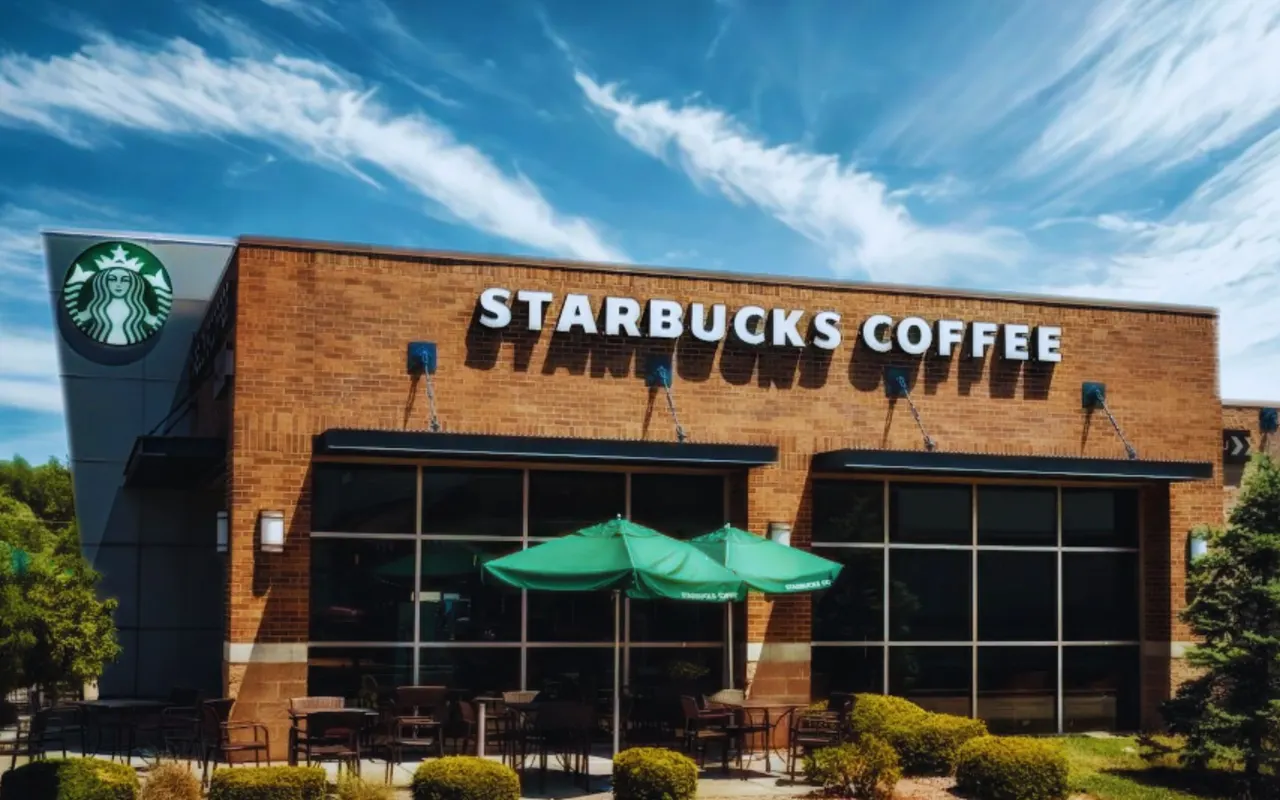
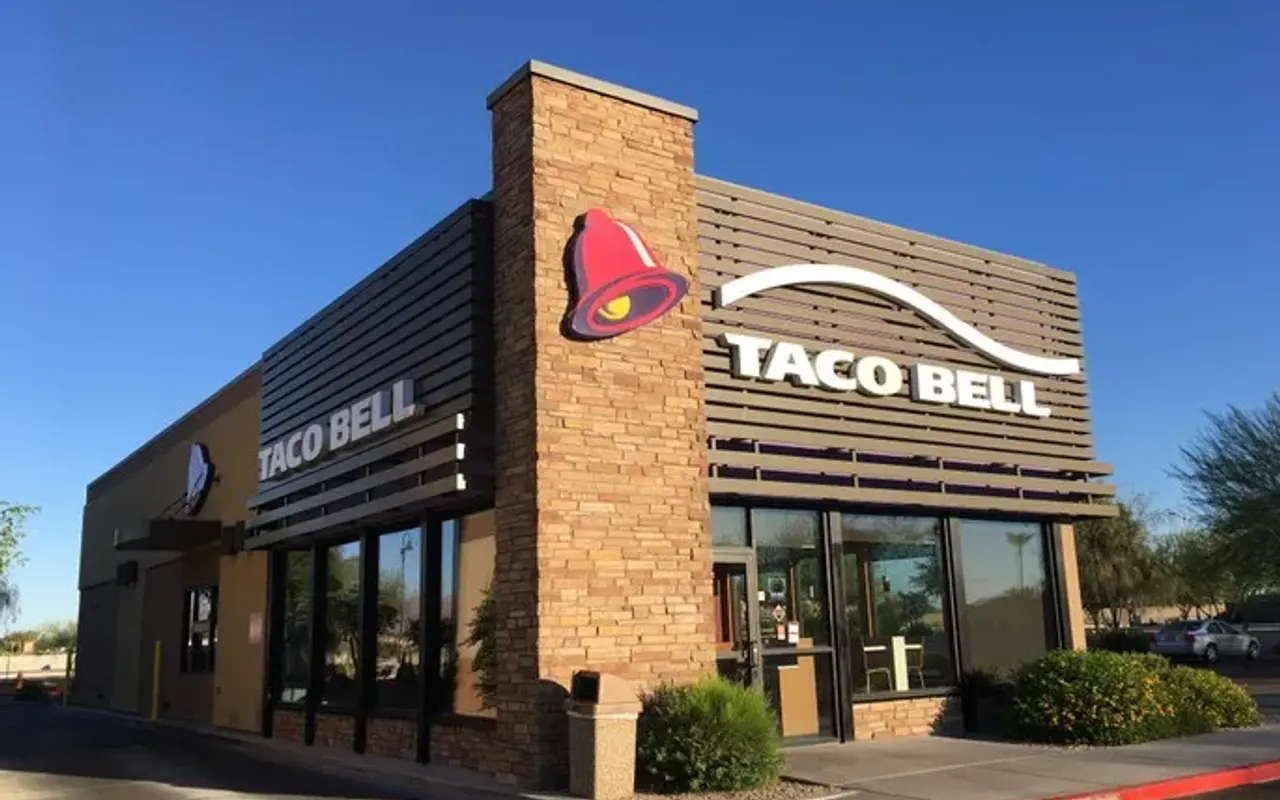
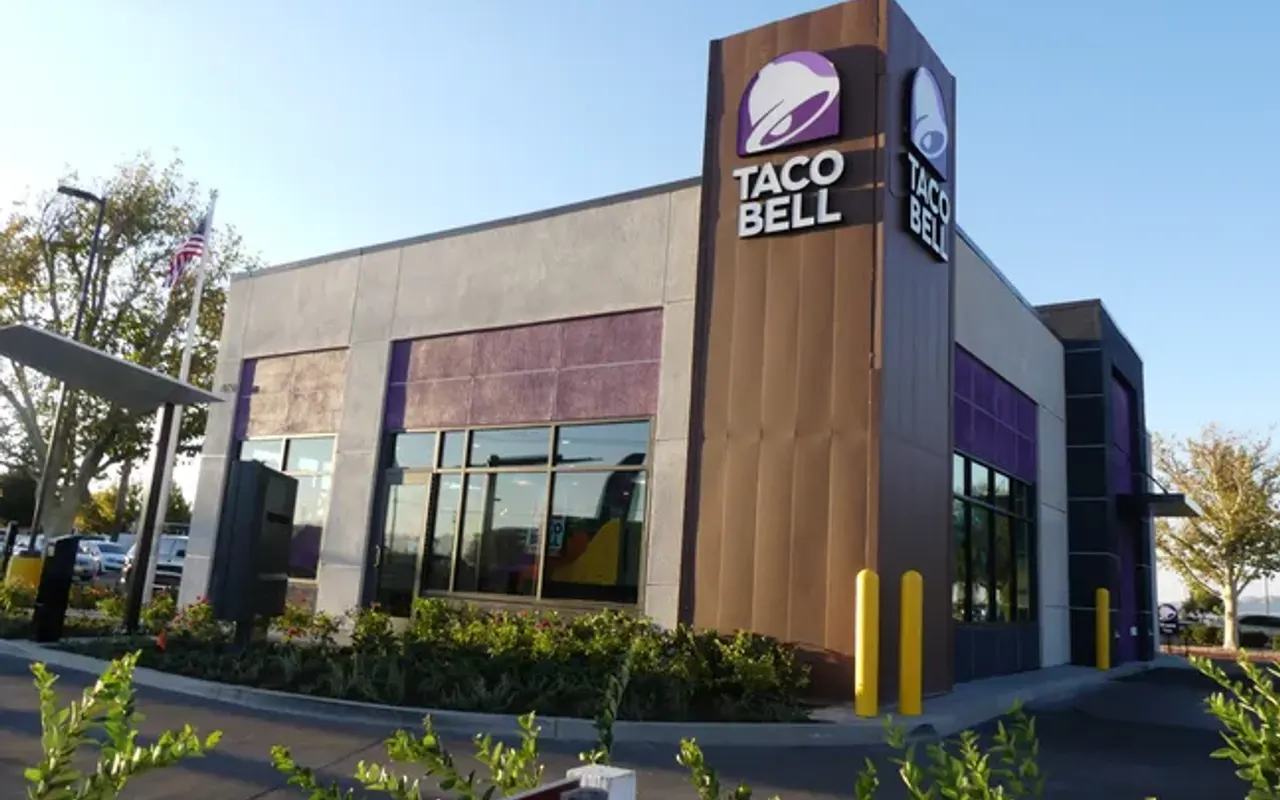
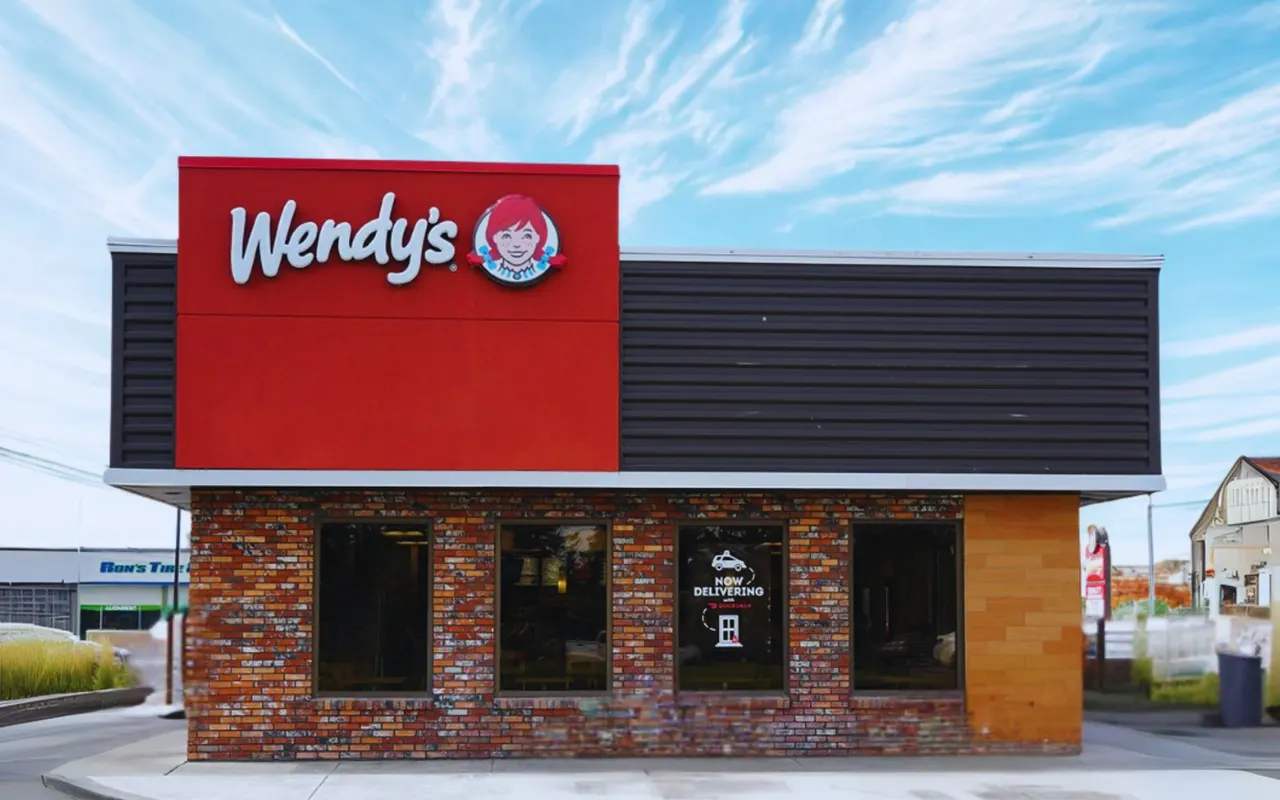
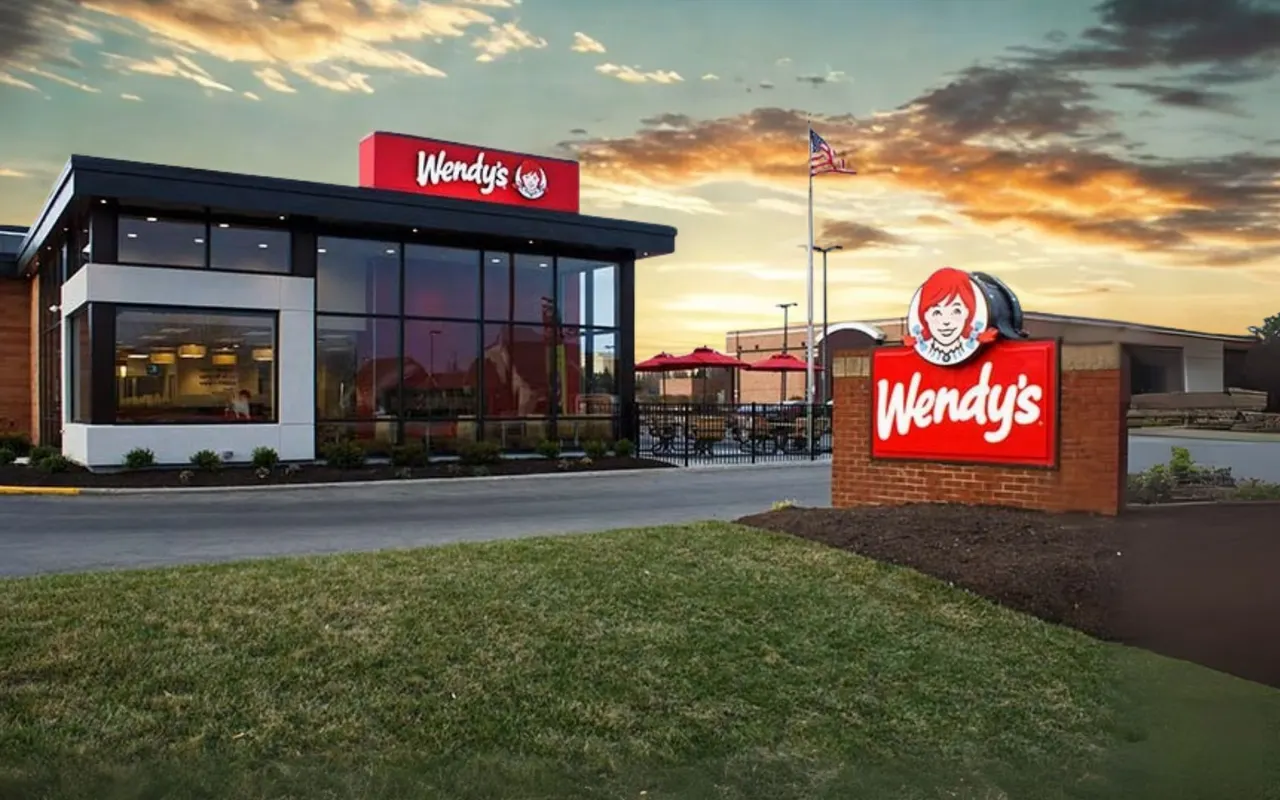
Listing information is deemed reliable but not guaranteed — pricing, cap rates, and lease terms are subject to change, prior sale, or withdrawal without notice.
Get off-market Quick-Service Restaurants deals
Sector economics
The category runs on volume and real estate quality rather than margin. A typical franchised QSR does $1.2M–$2.5M in annual unit sales (Chick-fil-A is the outlier at $6M+ per freestanding store), and rent generally lands between 6% and 10% of sales. That ratio is the health metric that matters: a store paying 7% of sales in rent can absorb a bad year; one paying 13% is a lease-expiration risk no matter how strong the brand looks on the sign.
Two structures dominate. Ground leases — common for McDonald's and Chick-fil-A — put the building in the tenant's hands; you own dirt and collect rent with zero landlord obligations, which is why they command the lowest cap rates in all of net lease. Fee-simple NNN deals — typical for Taco Bell, Wendy's, Burger King, and the coffee brands — include the building, price 75–150 basis points higher, and shift roof-and-structure exposure onto lease language you need to read closely.
Lease norms
New-build QSR leases run 15–20 years with two to four 5-year options. Escalations cluster around 10% every five years, or 1.5–2% annually on the West Coast. Absolute-net language is standard on ground leases; fee-simple deals range from true absolute NNN to "NN" leases where the landlord keeps roof and structure — a difference worth roughly a quarter-point of cap rate and real money on a 40-year-old building.
The tenant roster
Brand credit is only half the underwriting. McDonald's (investment-grade, ~95% franchised, but real-estate-controlled by corporate) and Chick-fil-A (private, famously selective, ~$6M unit volumes) anchor the premium tier. Taco Bell and KFC deals are mostly franchisee paper backed by Yum! Brands' system strength. Chipotle signs corporate on 15-year terms for its new drive-thru "Chipotlane" builds. Starbucks, Dutch Bros, and Dunkin' bring coffee's morning-daypart traffic and corporate or large-franchisee guarantees. Burger King, Wendy's, Popeyes, Arby's, and Pizza Hut trade wider and reward buyers who underwrite the specific operator.
Risk notes
Watch three things. First, franchisee concentration: a guarantee from an operator with 12 units and thin margins is closer to local-business credit than to the brand on the marquee. Second, rent-to-sales creep: sale-leasebacks priced off peak-year store sales can embed above-market rent that no replacement tenant will pay. Third, functional obsolescence: pre-2015 prototypes without double drive-thru lanes face expensive remodels, and some franchise agreements push that cost into the lease. Every deal we send flags unit sales, rent ratio, and remodel status where disclosed — and marks what the seller wouldn't share.
Quick-Service Restaurants FAQs
What cap rates do QSR NNN properties trade at in 2026?
The spread inside the sector is wide. Chick-fil-A and McDonald's ground leases price in the low-to-mid 4s because the real estate and credit are the strongest in net lease. Corporate Taco Bell and Chipotle new builds sit in the 5s. Franchisee-guaranteed KFC, Burger King, and Pizza Hut deals reach the 6s and low 7s. Term remaining and rent escalations move any of these by 50–100 basis points.
Should I buy a corporate QSR lease or a franchisee lease?
Corporate leases (McDonald's, Chick-fil-A, most Chipotle) carry investment-grade or near-investment-grade backing and trade at premium pricing. Franchisee leases depend on the operator: a 300-unit Taco Bell franchisee with audited financials can be stronger than a weak corporate guarantee, while a 5-unit operator is a different risk entirely. We pull franchisee unit counts and financials before you offer.
Why do drive-thru locations matter so much for QSR value?
Since 2020, 65–70% of most QSR chains' sales run through the drive-thru lane. A pad with a double lane, direct signal access, and stacking depth for 10+ cars is operationally superior real estate — and if the tenant ever leaves, the next QSR operator pays for that infrastructure. Inline QSR space without a lane trades at a meaningful discount for a reason.
What happens to my QSR property if the brand closes the location?
The lease survives the closure — a corporate guarantee means rent keeps arriving whether the store operates or not (a 'dark' location). The risk is at expiration or franchisee bankruptcy. That's why we underwrite the real estate itself: traffic counts, outparcel position, and re-tenanting demand from competing brands set your downside, not the logo on the building.
Keep Exploring
Browse
Related Tenants
- McDonald's NNN Properties
- Chick-fil-A NNN Properties
- Taco Bell NNN Properties
- KFC NNN Properties
- Chipotle NNN Properties
- Wendy's NNN Properties
- Burger King NNN Properties
- Popeyes NNN Properties
- Starbucks NNN Properties
- Dutch Bros NNN Properties
- Dunkin' NNN Properties
- Pizza Hut NNN Properties
- Arby's NNN Properties
Run the Numbers
Want quick-service restaurants deals matched to your criteria?
Free buyer representation. No obligation. Reply within 24 hours.