
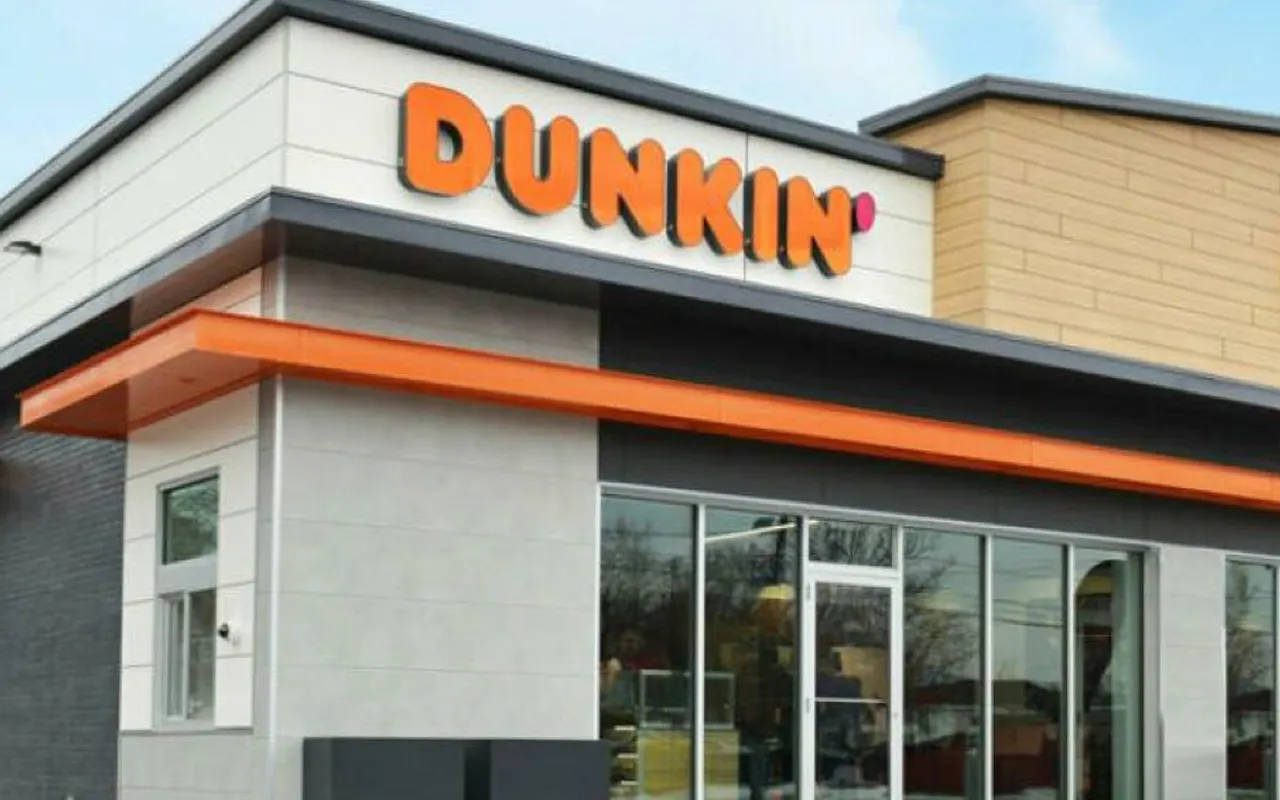
Dunkin' NNN Properties for Sale
Dunkin' is coffee net lease's franchise play: no corporate guarantees anywhere in the system, but franchisee networks so established — particularly across the Northeast, where the brand functions as morning infrastructure — that seasoned operators' paper trades within a point of Starbucks corporate. It rewards buyers who evaluate operators the way lenders do.
Quick Facts
- Typical cap range
- 5.50–6.75%
- Lease type
- NNN (fee simple typ.)
- Typical term
- 10–20 yr
- Credit
- Franchisee-guaranteed — underwrite the operator
- Guarantee
- Varies — franchisee entity
Dunkin' Listings
Listing information is deemed reliable but not guaranteed — pricing, cap rates, and lease terms are subject to change, prior sale, or withdrawal without notice.
Get off-market Dunkin' deals
Lease structure
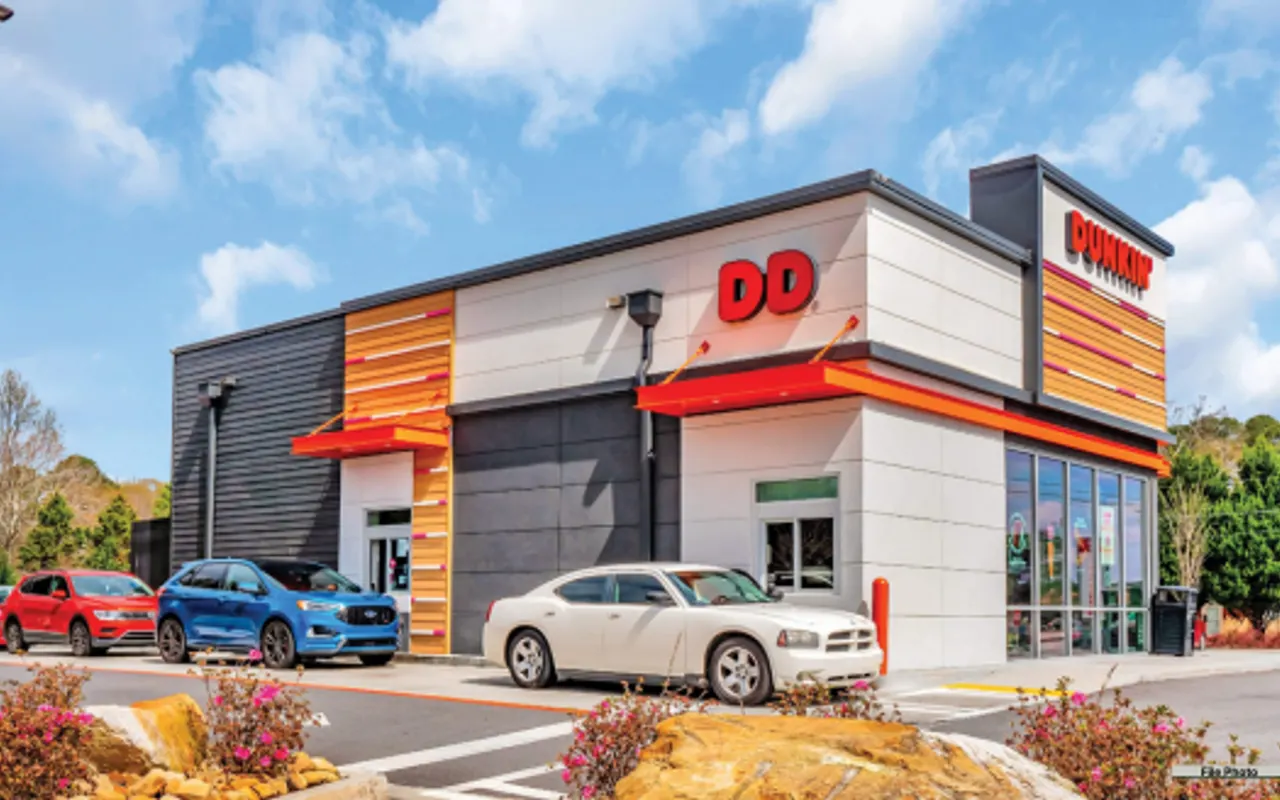
Terms vary by vintage and dealmaker: remodel-linked extensions and new NextGen builds run 15–20 years; older fee-simple deals run 10 with option chains. NNN structures dominate, with roof-and-structure allocation tracking lease age. The fleet spans formats — freestanding drive-thru prototypes (the tradeable core), endcaps with lanes, urban inline shops, and gas-station co-brands (a distinct, wider-priced product; confirm what the lease actually demises). Escalations typically run 10% per five years or 2% annually on newer paper.
Credit and guarantee
Inspire Brands owns the flag; franchisee entities sign everything. The operator spectrum: legacy New England platforms with 100–300 stores and 40-year tenures at the strong end, newer Sunbelt developers in the middle, small operators at the wide end. Standard asks: unit count, tenure, guarantor entity scope (all units or a carve-out shell), and store-level sales — Dunkin' operators disclose more readily than most systems. AUVs average $1.2M+ system-wide, with drive-thru units meaningfully higher.
What drives cap rates
Operator quality first, format second: freestanding NextGen drive-thrus command the tight end; inline shops without lanes trade at real discounts (morning-rush coffee without a lane is a declining format). Then term, escalations, and the density question — in saturated corridors, confirm no newer Dunkin' has approvals nearby; in expansion markets, apply frontier-store skepticism to pro forma rents. Northeast deals carry a demand premium from regional buyers who know the brand's grip firsthand.
Buyer criteria and red flags
Get the guarantor's full unit schedule and confirm your lease sits with the operating entity, not a single-purpose shell. Verify remodel status against the brand's NextGen requirements and who funds pending work. Red flags: inline shops in drive-thru markets, co-brand sites where the fuel operator holds the master lease, rent-to-sales above 10%, and operators mid-sale — Dunkin' franchise M&A is constant, and while transfers usually strengthen guarantees, your consent rights live in the assignment clause. Walk the morning rush before you offer; a Dunkin' with no 7 a.m. line is telling you something the financials will confirm later.
How Dunkin' compares
Starbucks offers the corporate signature at tighter pricing; Dunkin' answers with longer terms, lower price points, and operators who've run their markets for generations. Dutch Bros is the growth-format contrast — fresh kiosks versus established density. And within franchise paper, the Burger King comparison flatters Dunkin': similar guarantee architecture, dramatically steadier operator history. For Northeast-focused 1031 buyers, seasoned-operator Dunkin' paper is often the region's best-kept net lease habit.
Dunkin' NNN FAQs
Dunkin' is 100% franchised — what does that mean for my lease?
Every one of the brand's ~9,600 U.S. locations is franchisee-operated, so there is no corporate-lease tier to hunt for; the operator IS the credit, full stop. The consolation: Dunkin' franchisee networks are among the oldest and densest in food service — multi-generational family platforms running 50–300 stores across New England and the mid-Atlantic, with unit-level economics proven over decades. Underwriting is operator work, and the operators are underwriteable.
Why is so much Dunkin' inventory in the Northeast?
The brand is regional infrastructure there — Massachusetts alone holds over 1,000 locations, and morning-daypart share in New England exceeds anything Starbucks achieves anywhere. For landlords that density cuts two ways: proven, habitual demand at existing stores, but also cannibalization risk when a franchisee opens a drive-thru prototype a mile from your 1995 inline shop. Sunbelt expansion deals (Florida, Texas, Georgia) offer newer builds with growth-market caveats instead.
What did Inspire Brands ownership change for Dunkin' real estate?
Inspire's 2020 take-private ($11.3B) put Dunkin' alongside Arby's, Sonic, and Jimmy John's in a multi-brand platform focused on unit growth and remodels — the 'NextGen' store format with expanded drive-thrus became the development standard. Practical effect for lease buyers: fresher paper supply from franchisee remodel-and-extend cycles, and a corporate parent whose brand stewardship is active but whose signature still isn't on your lease.
How do I compare a Dunkin' deal against a Starbucks at a similar cap?
You're comparing an operator's balance sheet against a corporation's. The Starbucks deal carries investment-grade credit on a 10-year term; the Dunkin' deal carries a franchisee guarantee — possibly excellent — often on longer paper with a lower entry price ($1.3–2.2M versus $2.5M+). If the Dunkin' guarantor runs 100+ stores with disclosed coverage, the yield spread of 50–100 basis points is real compensation. If it's a 6-store operator, the spread is too thin.
Keep Exploring
Browse
States with Inventory
Run the Numbers
Buying a Dunkin'? Get every matching deal — on and off market.
Free buyer representation. No obligation. Reply within 24 hours.