
Gas & Convenience Stores — NNN Properties for Sale
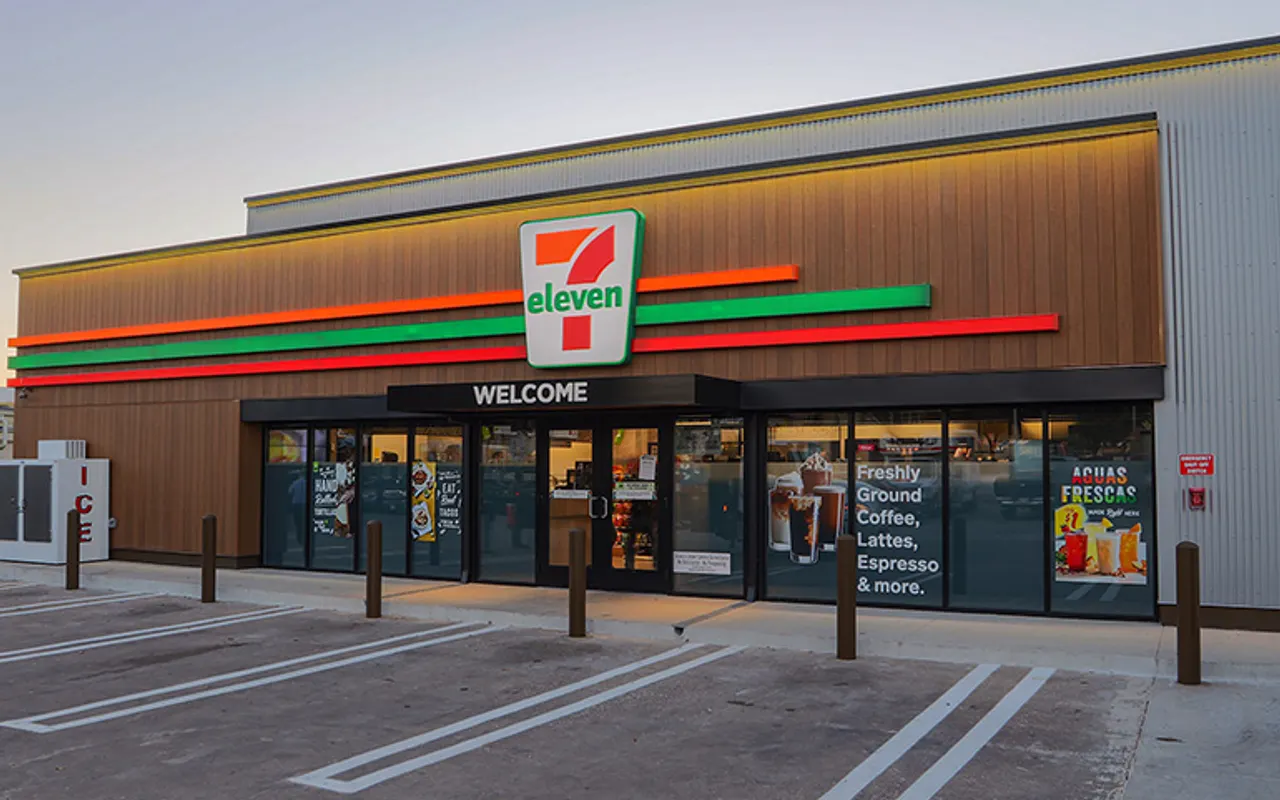
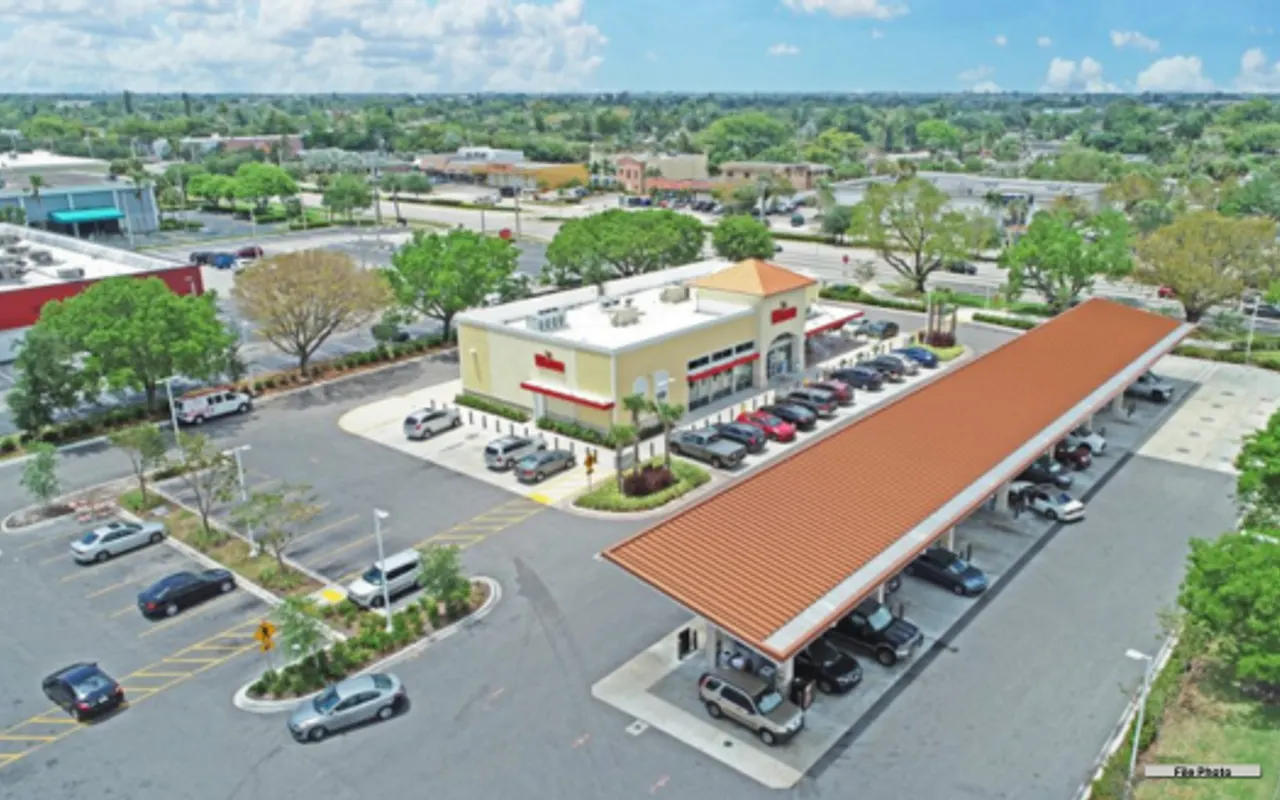
Gas and convenience is where net lease yield hunters and credit buyers meet. The sector spans everything from a sub-5.5% cap Wawa on a Florida signal corner to 7%+ deals on regional-brand stations — and the spread is earned, because the difference between those two assets is credit, fuel exposure, and what happens at the pump islands in year 20.
Gas & Convenience Stores Tenants
Current Listings
Listing information is deemed reliable but not guaranteed — pricing, cap rates, and lease terms are subject to change, prior sale, or withdrawal without notice.
Get off-market Gas & Convenience Stores deals
Sector economics
Convenience retail runs two profit engines. Fuel is a volume business with thin, volatile margins — the national average hovers near 30–35 cents per gallon gross before credit-card fees eat a third of it. Inside sales carry the store: food service, drinks, and tobacco produce 60%+ gross margins and are why the modern prototype is 4,500–6,000 square feet with a kitchen, not a 1,200-square-foot cigarette box. When you underwrite a c-store lease, you're really underwriting whether that inside business supports the rent for decades.
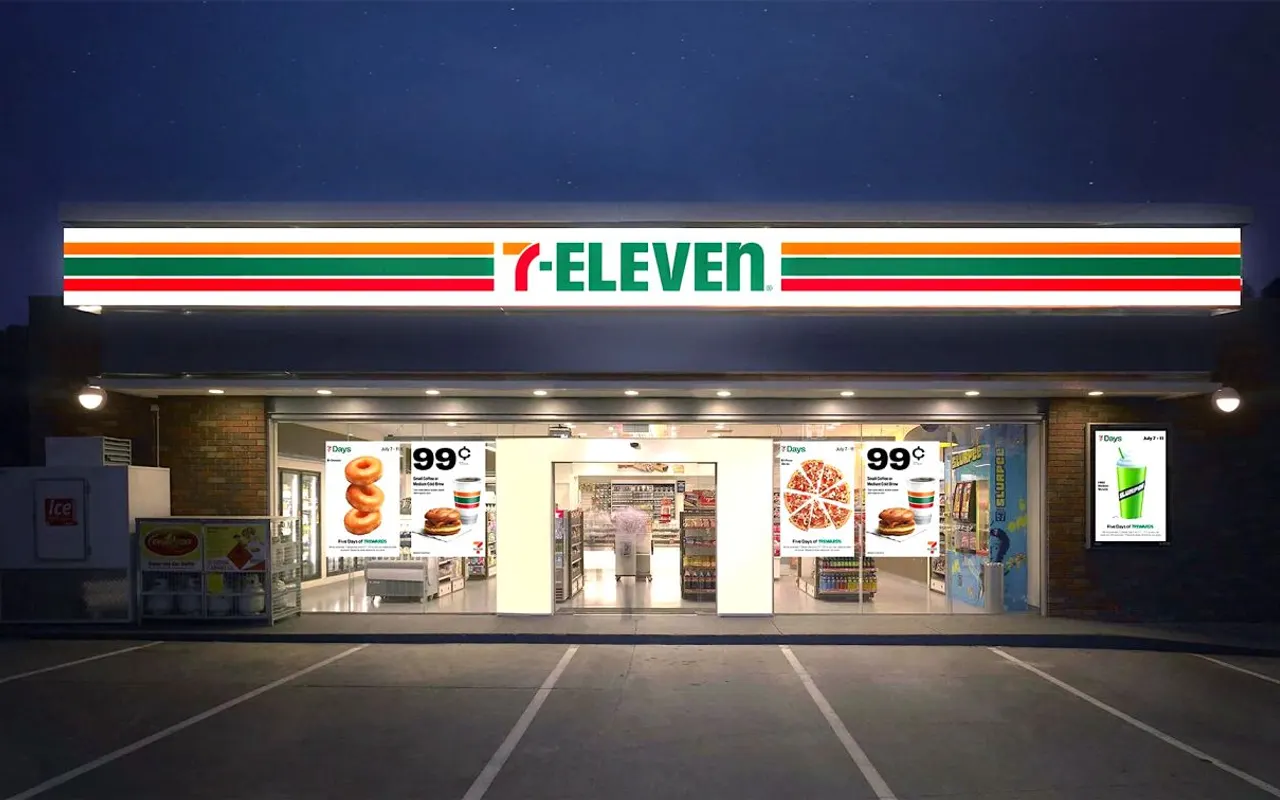
The buyer's advantage: none of that volatility is your problem on an absolute-net corporate lease. 7-Eleven (roughly 13,000 North American stores) and Wawa (1,100+ stores, privately held, investment-grade-quality balance sheet) sign 15–20 year absolute-net deals where the tenant handles everything down to the tanks.
Lease norms
Corporate c-store leases are the cleanest paper in net lease: absolute NNN, tenant-owned tank systems, 15–20 year base terms, escalations of 7.5–10% every five years. Franchisee and dealer sites are the opposite — shorter terms, personal guarantees, and landlord tank ownership appear frequently, which is why they price 150–300 basis points wider. The lease section that matters most sits at the back: end-of-term obligations for tank removal, canopy demolition, and environmental closure.
The tenant roster
7-Eleven brings scale and an S&P-rated guarantee, with both corporate stores and franchised locations wearing the same sign — the lease signatory is the underwriting. Wawa is the East Coast sales-density champion, expanding aggressively through Florida and into new markets with 20-year ground-up deals. Circle K (Couche-Tard) sits between: global scale, active refranchising, and a deep pipeline of sale-leasebacks that reward careful rent-to-sales review.
Risk notes
Environmental history is permanent — a clean Phase I today doesn't erase a 1980s leak that never closed properly with the state fund. Confirm tank registration and insurance status independently. Second, EV transition: charging stalls are appearing at new prototypes, but the inside store is the durable business; underwrite sites whose sales don't live and die on gallons. Third, corner quality: fuel sites are the most location-sensitive assets in net lease, and a mid-block station losing its left-turn access can shed a third of its volume. Signalized hard corners with multiple curb cuts protect you at re-lease time.
Gas & Convenience Stores FAQs
Are gas station NNN properties riskier than other net lease deals?
The operating business carries fuel-margin and environmental exposure, but as the landlord on an absolute-net corporate lease you hold neither — 7-Eleven or Wawa pays rent regardless of gallons pumped. Your real exposures are tank liability at lease end and site reusability. That's why corporate-backed c-store deals trade inside 6% while independent operator sites trade hundreds of basis points wider.
What environmental diligence does a c-store purchase need?
A Phase I environmental site assessment is mandatory, and any site with current or historical underground storage tanks usually justifies a Phase II with soil sampling. You want tank registration records, leak-detection compliance history, and state trust-fund eligibility documented before closing. Lenders will require it anyway — an environmental surprise is the one mistake in this sector you can't underwrite your way out of.
Who owns the underground tanks in a c-store net lease?
In most corporate absolute-net structures the tenant owns, insures, and remediates the tank system — 7-Eleven and Wawa leases are typically written this way. Confirm it in the lease, not the marketing flyer: tank ownership, upgrade obligations at the 30-year replacement cycle, and end-of-term removal duties determine whether your exit is clean dirt or a six-figure liability.
Why do Wawa properties trade at lower cap rates than most c-stores?
Unit economics. A typical Wawa does $10M+ in annual inside-plus-fuel sales on 5,500+ square feet with made-to-order food margins a fuel-first station can't touch. Add 20-year corporate leases on new builds and a cult customer base from Pennsylvania to Florida, and buyers accept sub-5.5% yields for what is effectively QSR-grade sales density with c-store land value.
Keep Exploring
Browse
Run the Numbers
Want gas & convenience stores deals matched to your criteria?
Free buyer representation. No obligation. Reply within 24 hours.