
Colorado NNN Properties for Sale
Colorado is the Mountain West's premium net lease market: Front Range population growth meeting genuinely constrained supply, priced accordingly. Buyers accept caps near coastal-adjacent levels for corridors where the next competing pad may simply never get its water tap.
Market Facts
- State income tax
- Flat 4.4%
- Population trend
- Steady Front Range growth
- Cap spread vs national
- Typically inside national averages
- Top metros
- DENVER · COLORADO SPRINGS · FORT COLLINS
Colorado Listings
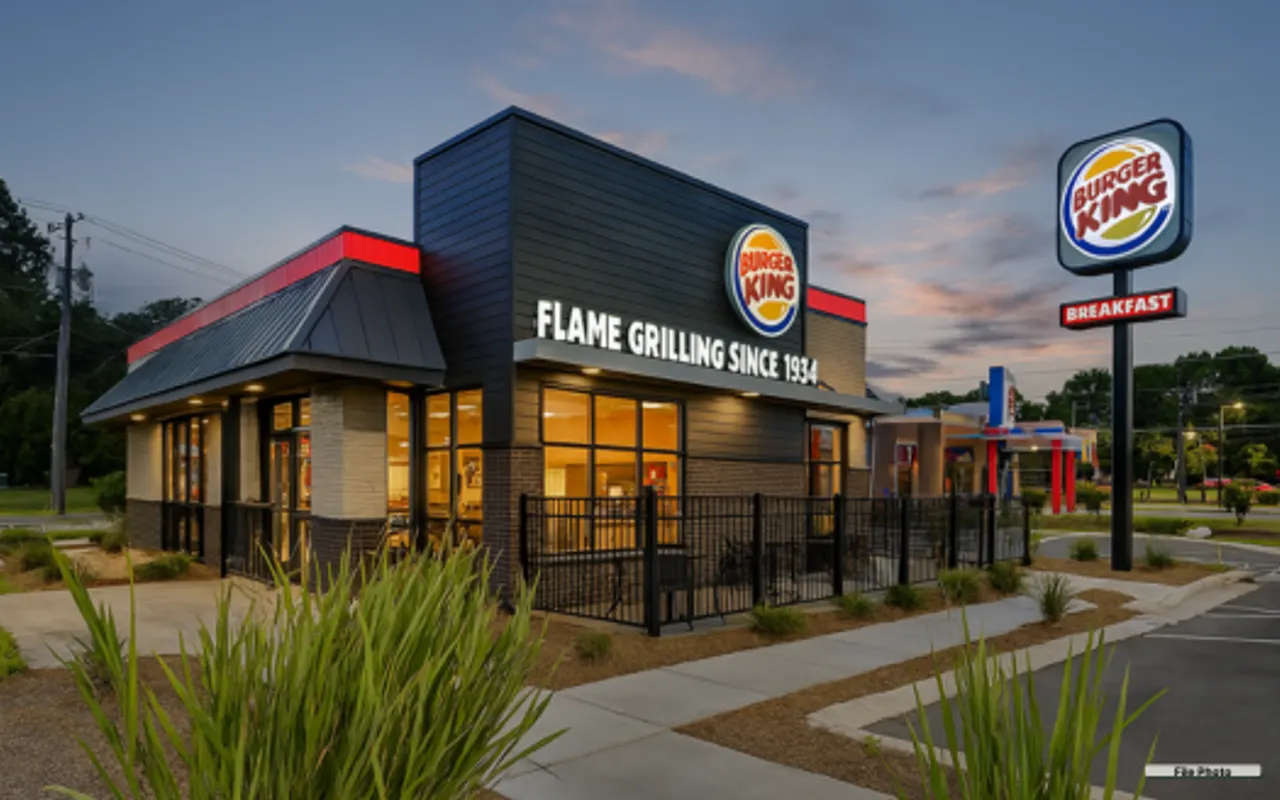
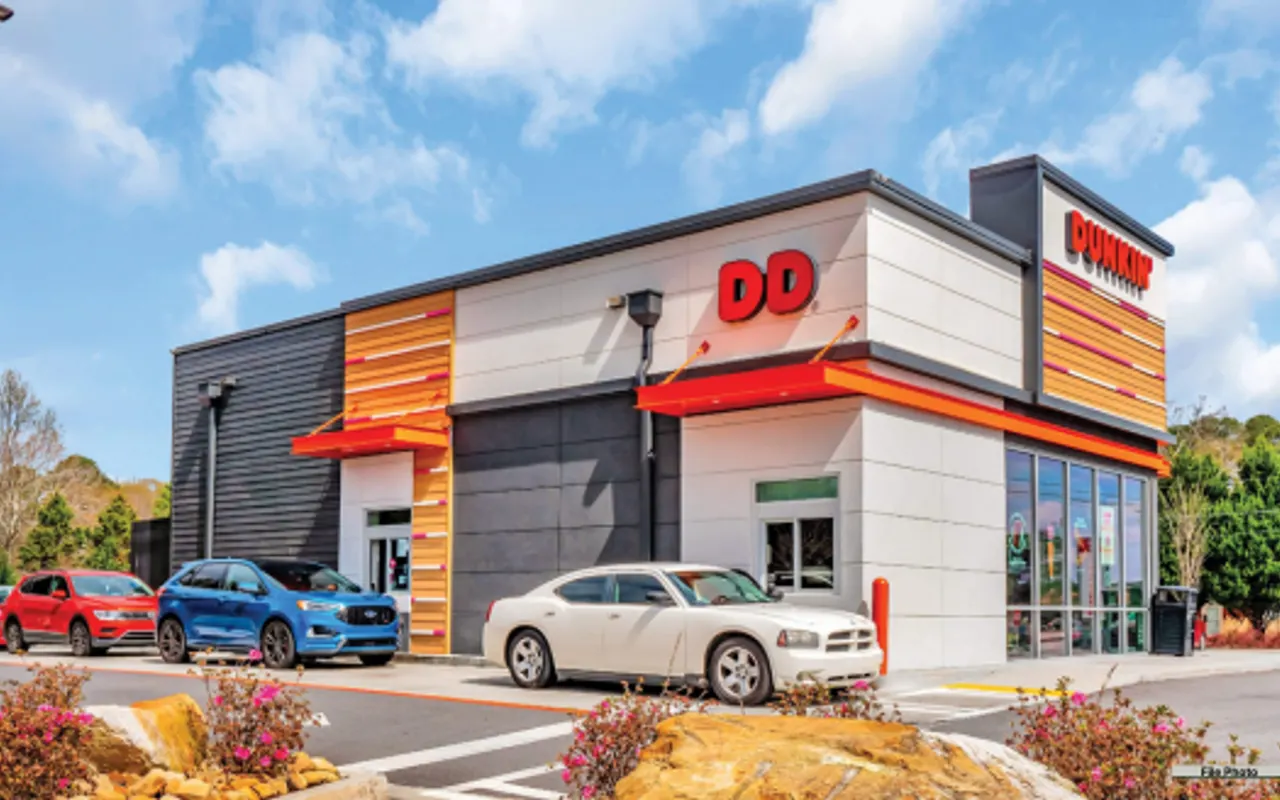
Listing information is deemed reliable but not guaranteed — pricing, cap rates, and lease terms are subject to change, prior sale, or withdrawal without notice.
Get off-market Colorado deals
Why Colorado for NNN
The Front Range — Fort Collins through Denver to Colorado Springs — holds 85% of the state's population and nearly all its net lease inventory, growing on quality-of-life migration that has proven durable across cycles. Supply-side friction does the rest: water economics, growth boundaries, and municipal process keep new retail pads scarce relative to rooftops. A flat 4.4% income tax, no estate tax, and moderate property taxes complete a hold-math picture friendlier than the premium pricing suggests.
Top metros
Denver dominates: the southeast corridor (Parker, Castle Rock), the northern arc (Thornton, Westminster, Broomfield), and Aurora's arterials supply most metro deal flow, with urban-infill pads trading at trophy pricing. Colorado Springs — military payrolls, top-tier population growth — is the value-growth play along Powers Boulevard's retail spine. Fort Collins and the northern corridor (Loveland, Greeley) ride university-and-agtech demand, while Grand Junction anchors Western Slope regional retail at wider caps.
Tax and 1031 notes
The flat income tax (4.4%, occasionally refunded lower via TABOR mechanics — confirm current with your CPA) applies simply to nonresident rent. Property taxes are low-side nationally, though commercial assessment-ratio politics shift with ballot measures; recent reforms trimmed rates — confirm current with your CPA. No estate tax, standard withholding-with-exemption on nonresident sales (2% mechanics), and efficient title-company closing practice. Transaction infrastructure handles 1031 timelines routinely.
Deal flow and buyer's notes
Front Range inventory is chronically thin relative to demand: quality pads draw offers inside two weeks, and proof-of-funds letters travel with first offers as a matter of course. Watch the development calendar — Dutch Bros, Chipotle, and c-store chains deliver most new paper in spring-summer waves, and forward commitments on under-construction pads sometimes beat competing for completed ones. Hail history belongs in every physical inspection scope (ask for roof-replacement records, not just age), and water-tap scarcity makes existing fuel sites disproportionately valuable — a c-store corner with taps in place is infrastructure no competitor can cheaply replicate. Mountain-town deals (Summit, Eagle counties) trade on resort-economy logic at trophy pricing and deserve their own underwriting lens entirely.
Active tenants here
Chipotle — Denver-born — treats the Front Range as home turf, joined by Starbucks and McDonald's across every suburban arterial. Dutch Bros made Colorado an expansion priority, 7-Eleven holds the c-store grid, and AutoZone serves a car-dependent geography where winter drives parts demand.
Colorado NNN FAQs
How does Colorado price relative to other Mountain West markets?
At the tight end. Front Range corridors — Denver's suburban arterials, Colorado Springs' Powers Boulevard, Fort Collins' College Avenue — trade 10–30 basis points inside national averages on quality-of-life demand and constrained development geography. The flat 4.4% income tax (trending down via TABOR refunds and legislative cuts — confirm current with your CPA) keeps after-tax math competitive with the no-tax neighbors' wider-cap deals.
What's distinctive about Front Range retail development?
Water and land-use policy throttle supply. Municipal growth boundaries, water-tap fees that can exceed $50K per commercial connection, and entitlement timelines closer to coastal norms than Sunbelt ones mean pad supply lags population growth — existing drive-thrus in built corridors enjoy real scarcity value. Dutch Bros and Chipotle's expansion waves absorbed most recent pad deliveries on opening.
Any Colorado-specific risks worth underwriting?
Hail is the quiet one: the Front Range sits in America's most active hail corridor, and roof-replacement cycles are shorter than lease pro formas assume — on NN paper, price the roof honestly, and on any deal confirm the tenant's insurance covers full replacement. Otherwise the risks are cyclical (Denver's office softness touching daytime-population corridors) rather than structural.
Keep Exploring
Browse
Neighboring States
Active Tenants Here
Run the Numbers
Buying in Colorado? Tell us your criteria — we'll send matching deals.
Free buyer representation. No obligation. Reply within 24 hours.