
Medical & Dental — NNN Properties for Sale
Medical net lease converts healthcare's demographic tailwind into landlord cash flow. Freestanding clinics — dialysis, urgent care, dental, veterinary — signed a wave of 10–15 year net leases as private equity consolidated those practices through the 2010s and 2020s, and those buildings now trade alongside retail NNN with one big difference: the tenant's business is need-based, recession-resistant, and physically embedded in the walls.
Medical & Dental Tenants
Current Listings
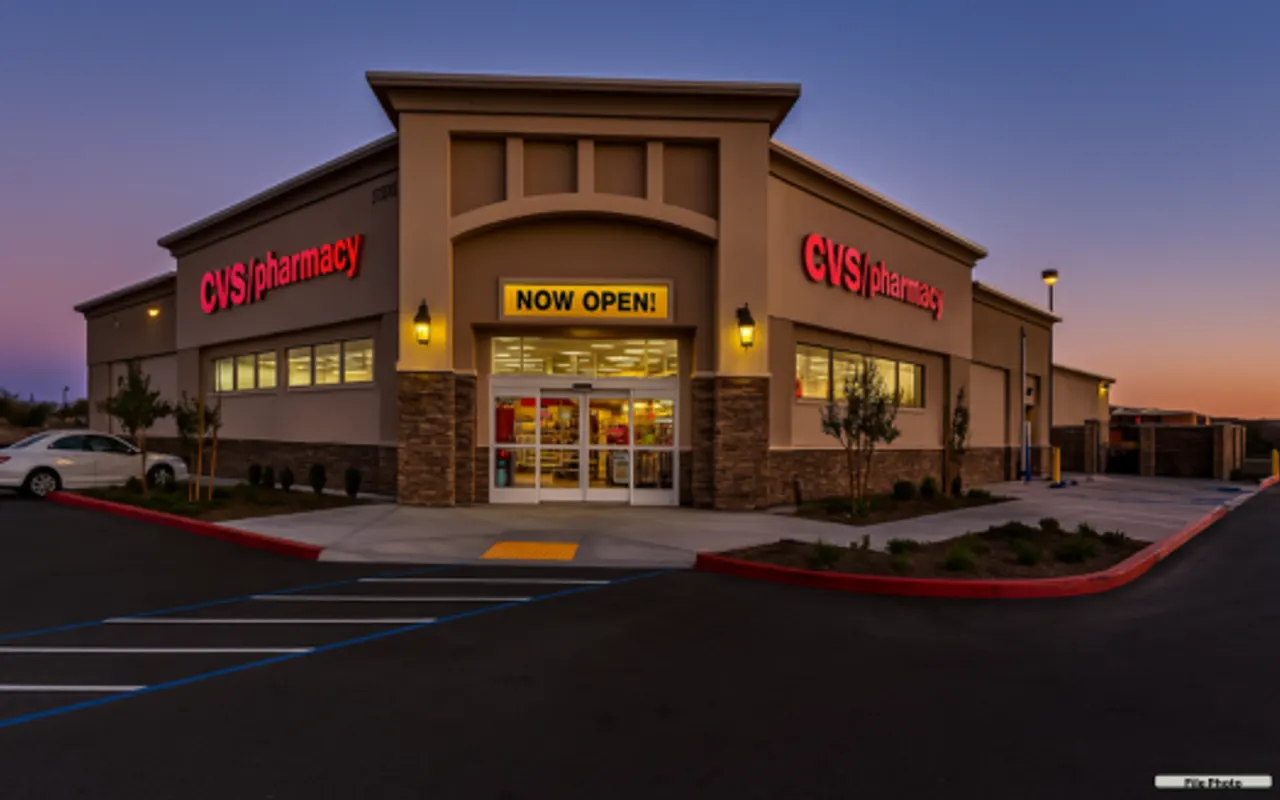
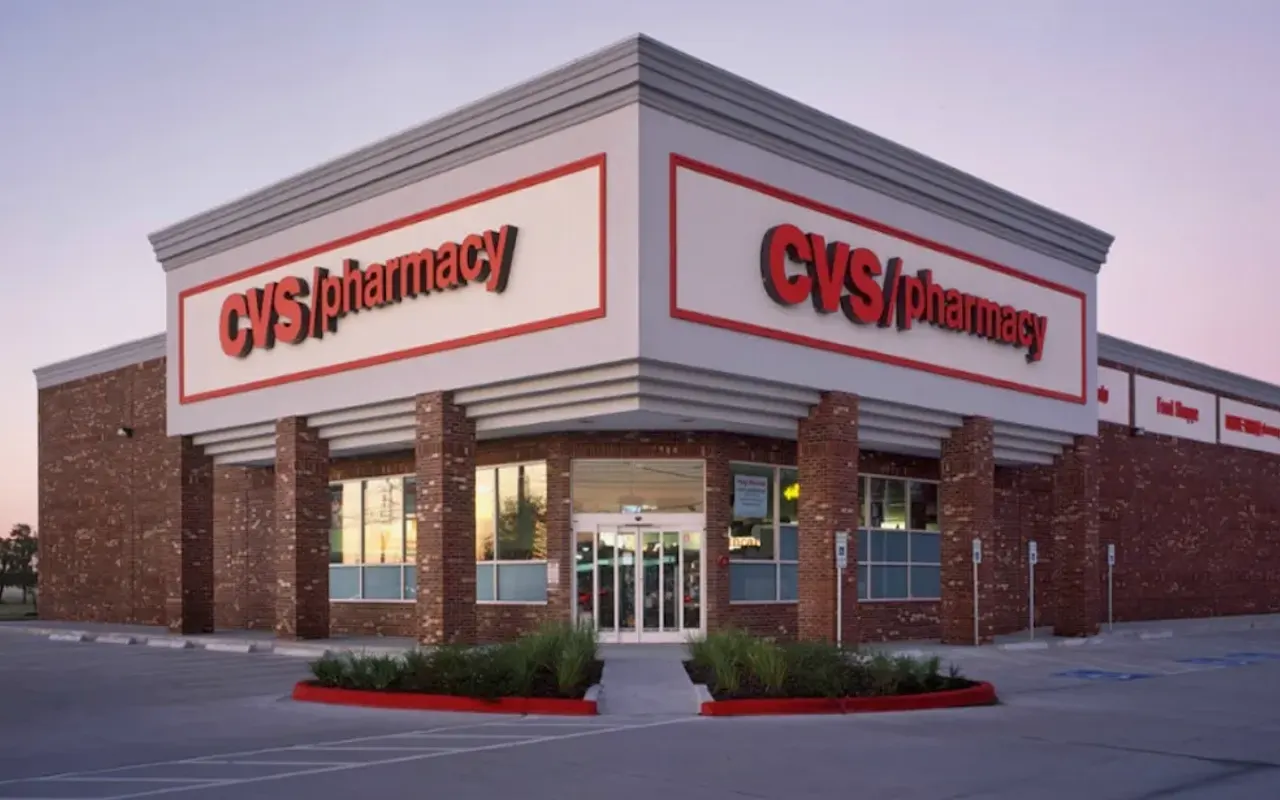
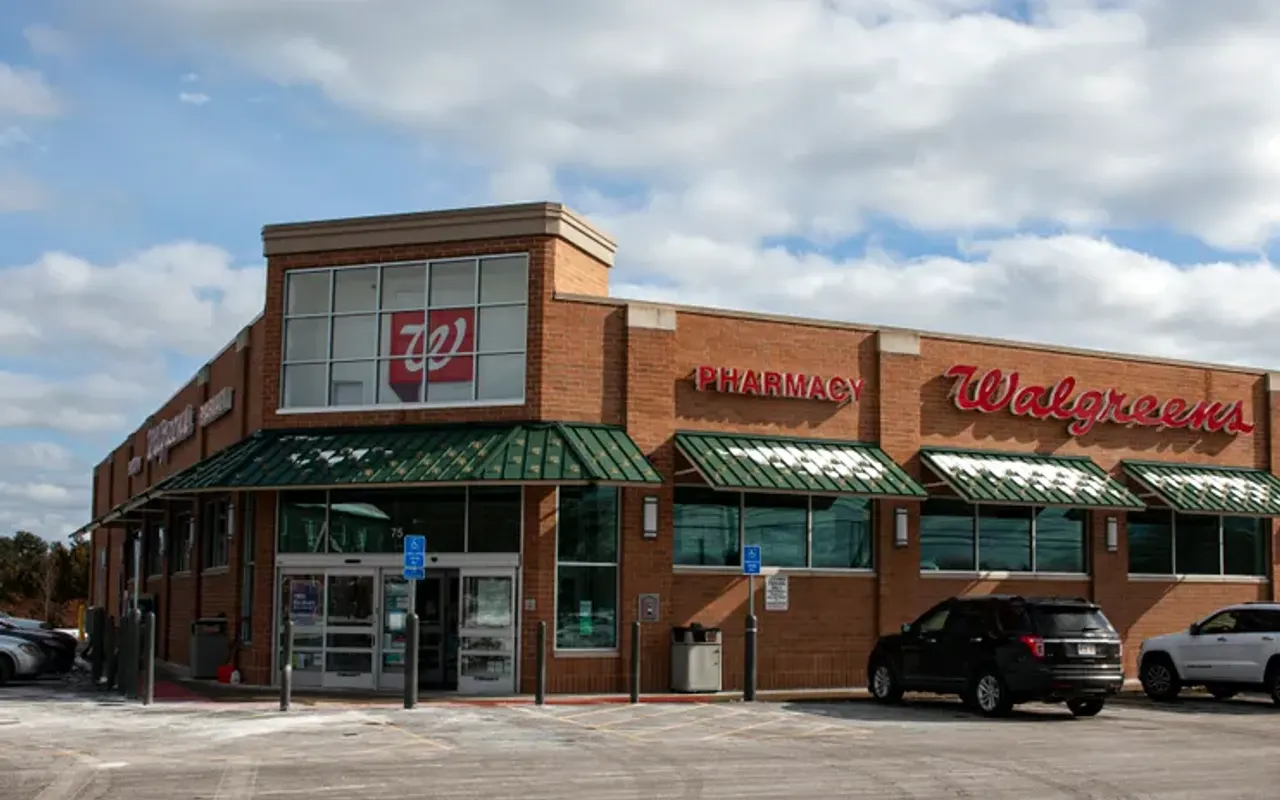
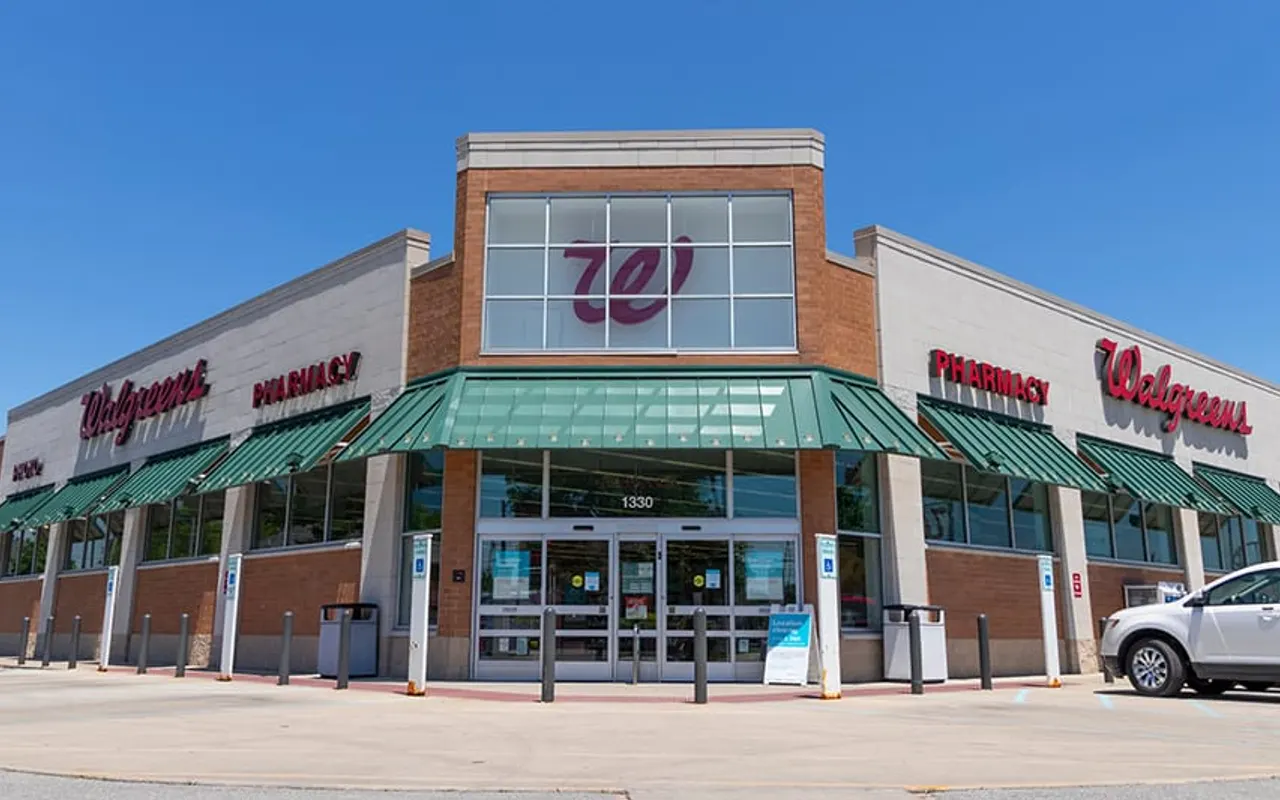
Listing information is deemed reliable but not guaranteed — pricing, cap rates, and lease terms are subject to change, prior sale, or withdrawal without notice.
Get off-market Medical & Dental deals
Sector economics
Healthcare spending approaches a fifth of U.S. GDP and skews sharply toward the 65+ cohort, which grows by thousands of people daily through the 2030s. Care delivery keeps migrating out of hospitals into lower-cost retail settings — the strip-corner urgent care, the freestanding dialysis clinic, the DSO-run dental office. Operators pick retail real estate deliberately: visibility, parking, and one-story access matter when your patients are elderly or in pain. For landlords, that migration created a tenant class that pays retail-grade rents on medical-grade commitment.
Lease norms
Typical structure is a 10–15 year initial term, two to three 5-year options, and annual escalations of 2–3% — a meaningful advantage over the flat leases common in dollar and drugstore deals. True absolute-net is rarer here; most leases are NNN with landlord roof-and-structure, reflecting the tenants' clinical (not property-management) focus. Watch for early termination tied to reimbursement changes or de-certification, and for exclusive-use clauses that can complicate multi-parcel ownership.
The tenant roster
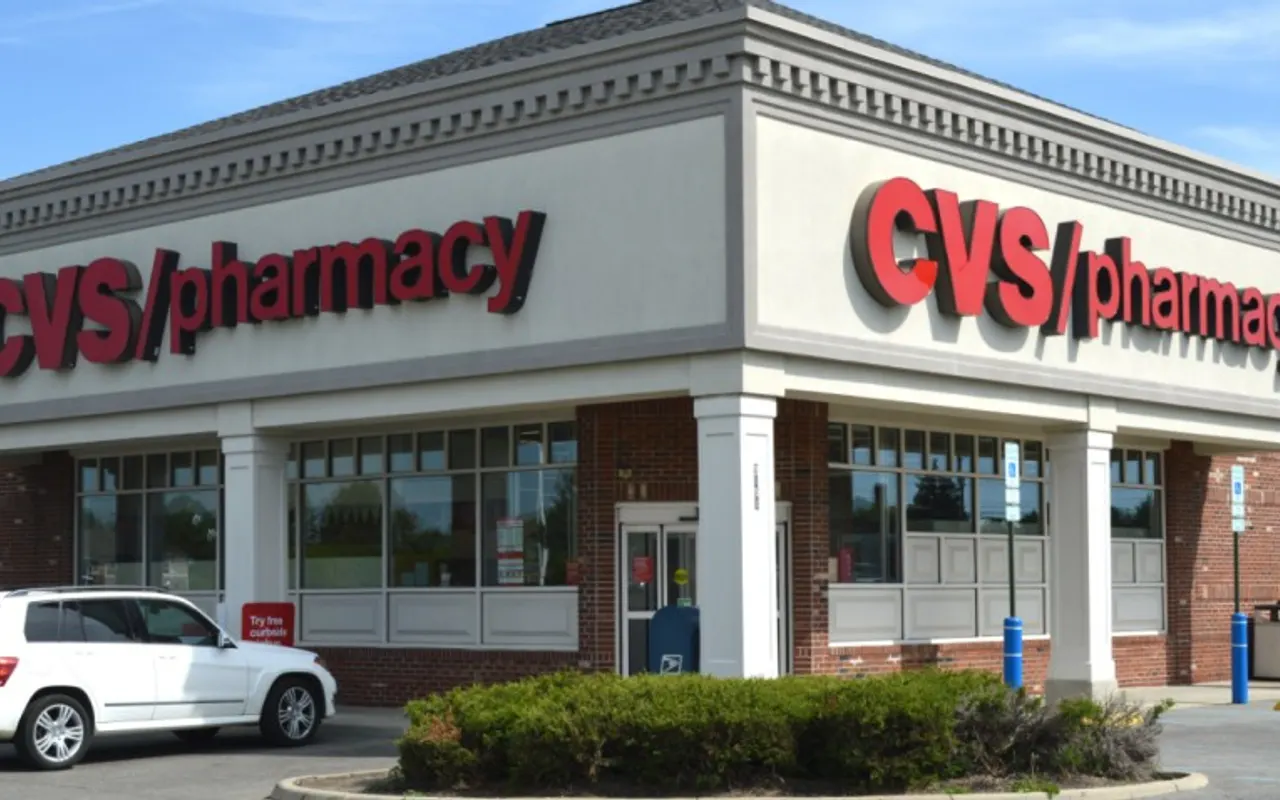
Dialysis anchors the institutional tier: DaVita and Fresenius carry national scale and the stickiest sites in net lease. Urgent care runs from hospital-system joint ventures (strongest paper) to venture-backed chains (read the balance sheet). Dental service organizations — Heartland, Aspen, and hundreds of smaller platforms — vary enormously by guarantor scale. Veterinary, consolidated by Mars (VCA, Banfield) and PE roll-ups, brings pet-spending durability. Pharmacy-clinic hybrids from CVS and Walgreens round out the healthcare-retail overlap.
Risk notes
Reimbursement is the sector's macro risk: dialysis economics lean on commercial-insurance patients subsidizing government rates, and a payment-policy shift moves operator margins overnight — underwrite guarantor scale, not clinic-level sentiment. Second, specialization cuts both ways at exit; carry a realistic re-tenanting budget and confirm your market has physician-group demand. Third, certificate-of-need states (much of the Southeast) restrict new clinic competition — a moat for your tenant, and a factor worth paying for when the address is right.
Medical & Dental FAQs
What healthcare tenants actually sign NNN leases?
The single-tenant end of the market: dialysis operators (DaVita and Fresenius run 5,500+ U.S. clinics between them), urgent care chains, dental service organizations, veterinary groups, and freestanding emergency departments. Hospital-anchored multi-tenant MOBs are a different, gross-lease world. The freestanding clinics trade like net lease retail — 10–15 year terms, corporate or PE-backed guarantees, caps from the mid-5s to low 7s.
Why is dialysis considered the strongest sub-sector in medical net lease?
Treatment economics create extreme stickiness. Patients visit the same clinic three times weekly for hours per session; relocating a certified clinic means re-permitting, re-plumbing (each station needs water treatment infrastructure), and disrupting a medically fragile census. Renewal rates run north of 90%, and the two national operators carry multi-billion-dollar revenue bases. You're buying infrastructure, not retail.
How do I underwrite an urgent care or dental group's guarantee?
Look through the brand to the signer. Many urgent care and dental locations are guaranteed by a private-equity-backed management company whose leverage would make a bond investor blush. Ask for unit-level EBITDA coverage (2x rent is a healthy floor), the number of locations under the guarantor, and whether the platform has recapitalized recently. A 12-location DSO guarantee is not Heartland or Aspen Dental.
What happens to a medical building if the tenant leaves?
The build-out is your friend and your trap. Plumbing-heavy improvements (dental operatories, dialysis stations, imaging shielding) cost $150–400 per square foot and make the space valuable to the next medical user — but nearly worthless to anyone else. In a growing suburb with physician demand, medical boxes backfill at strong rents. In a shrinking market, you own the most expensive vacant shell on the corridor.
Keep Exploring
Browse
Related Tenants
Run the Numbers
Want medical & dental deals matched to your criteria?
Free buyer representation. No obligation. Reply within 24 hours.