
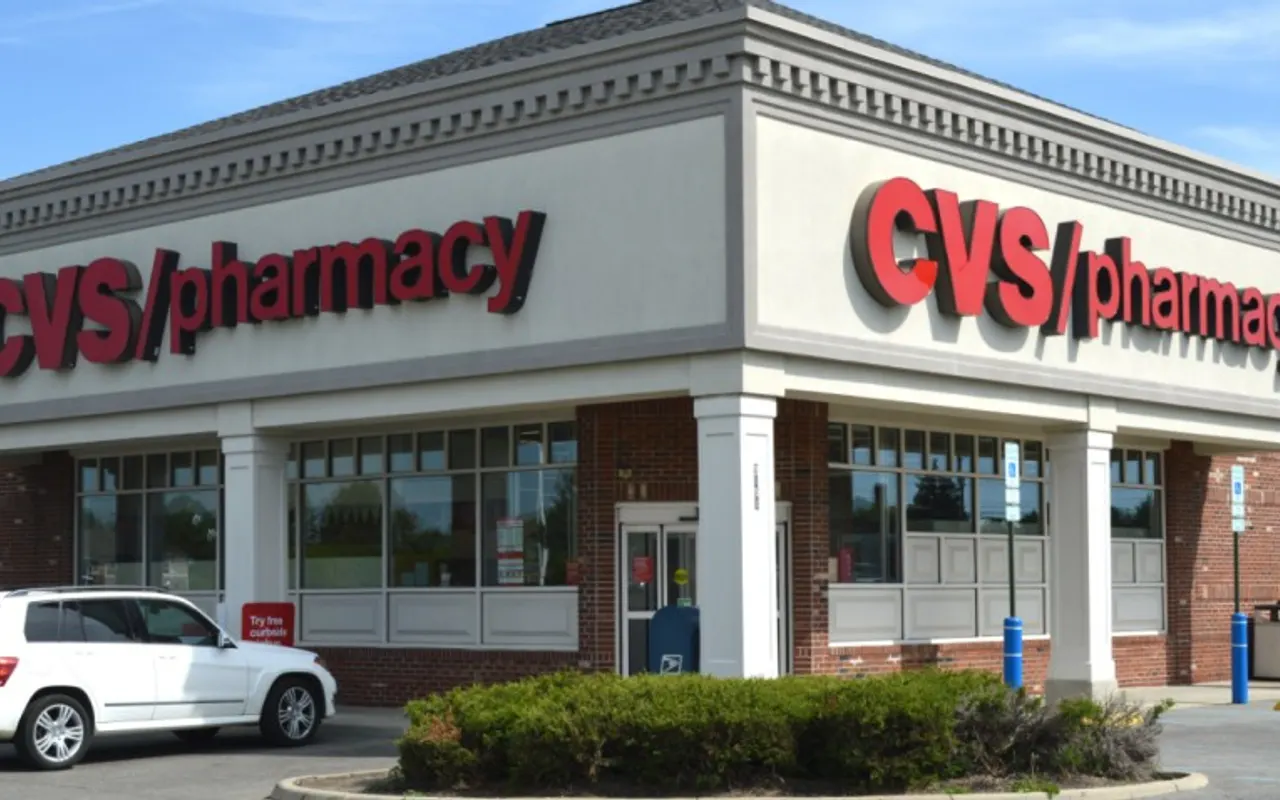
Pharmacies — NNN Properties for Sale
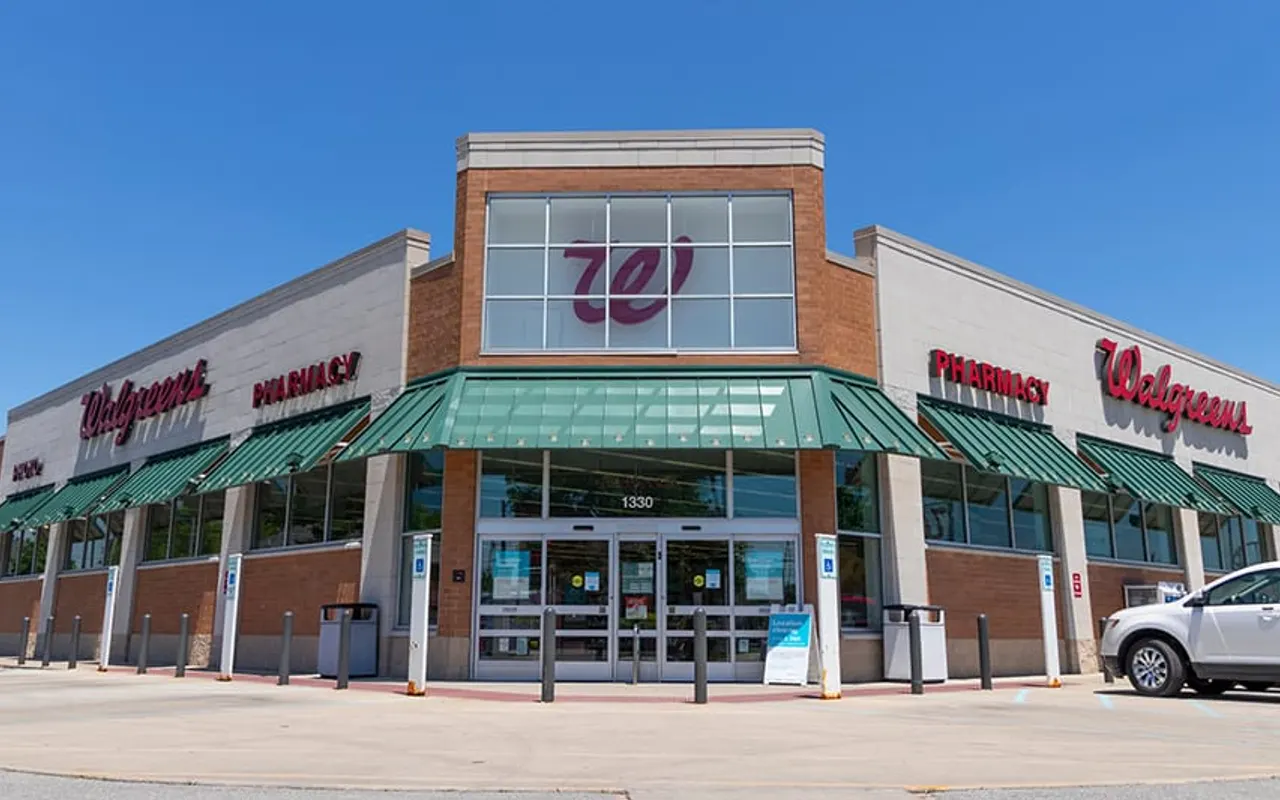
Pharmacy net lease is the sector where the 2020s taught buyers to underwrite again. A decade ago Walgreens and CVS traded like bonds; after multi-year closure programs, a Walgreens bankruptcy-adjacent restructuring saga, and the collapse of Rite Aid, the survivors trade on their individual merits. For buyers willing to do that work, it's one of the few places to buy national-credit real estate on true hard corners at 6.5%+ yields.
Pharmacies Tenants
Current Listings
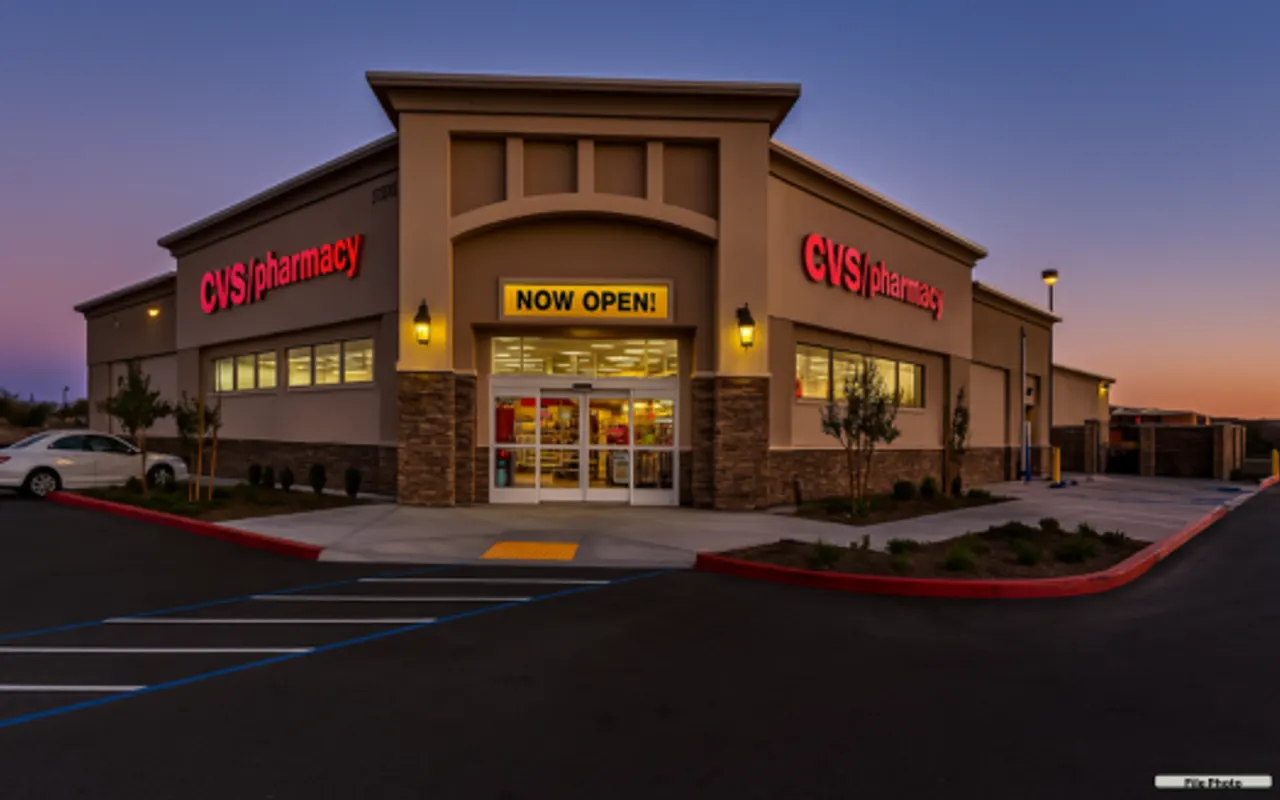
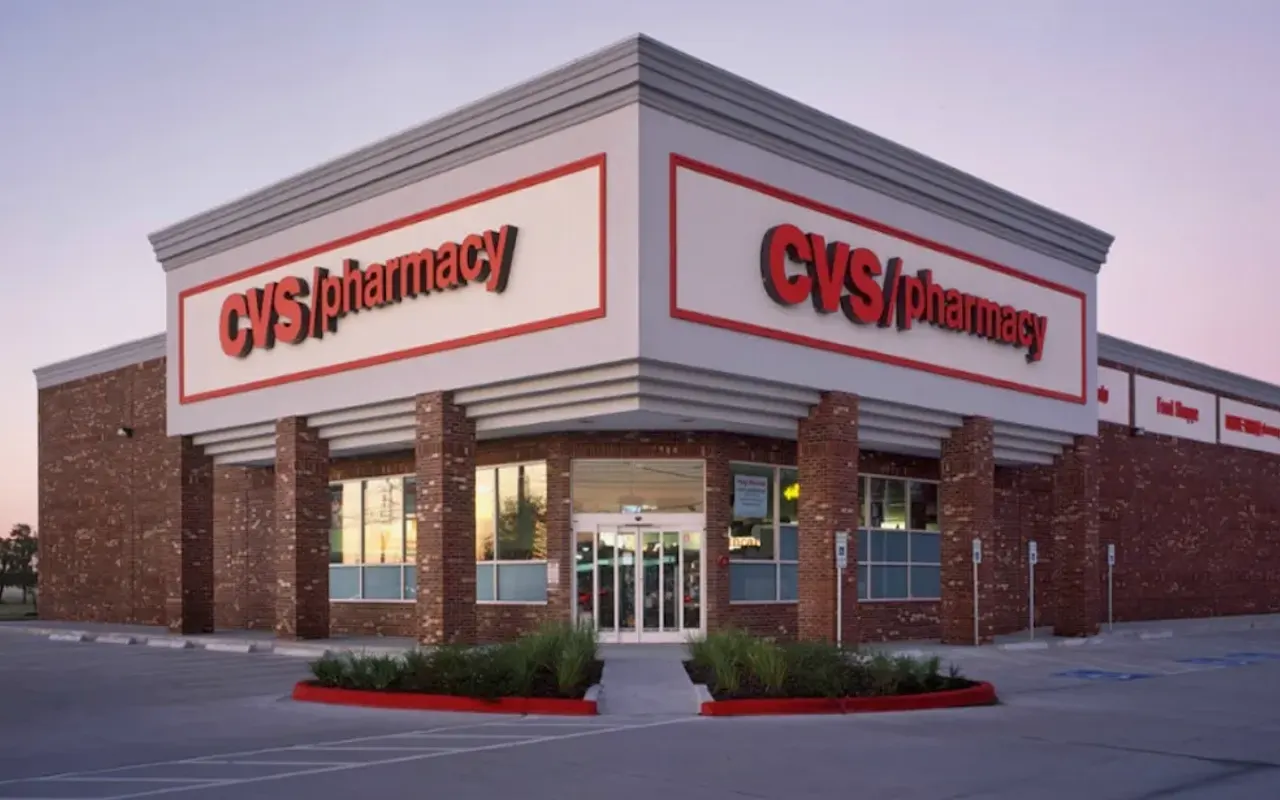
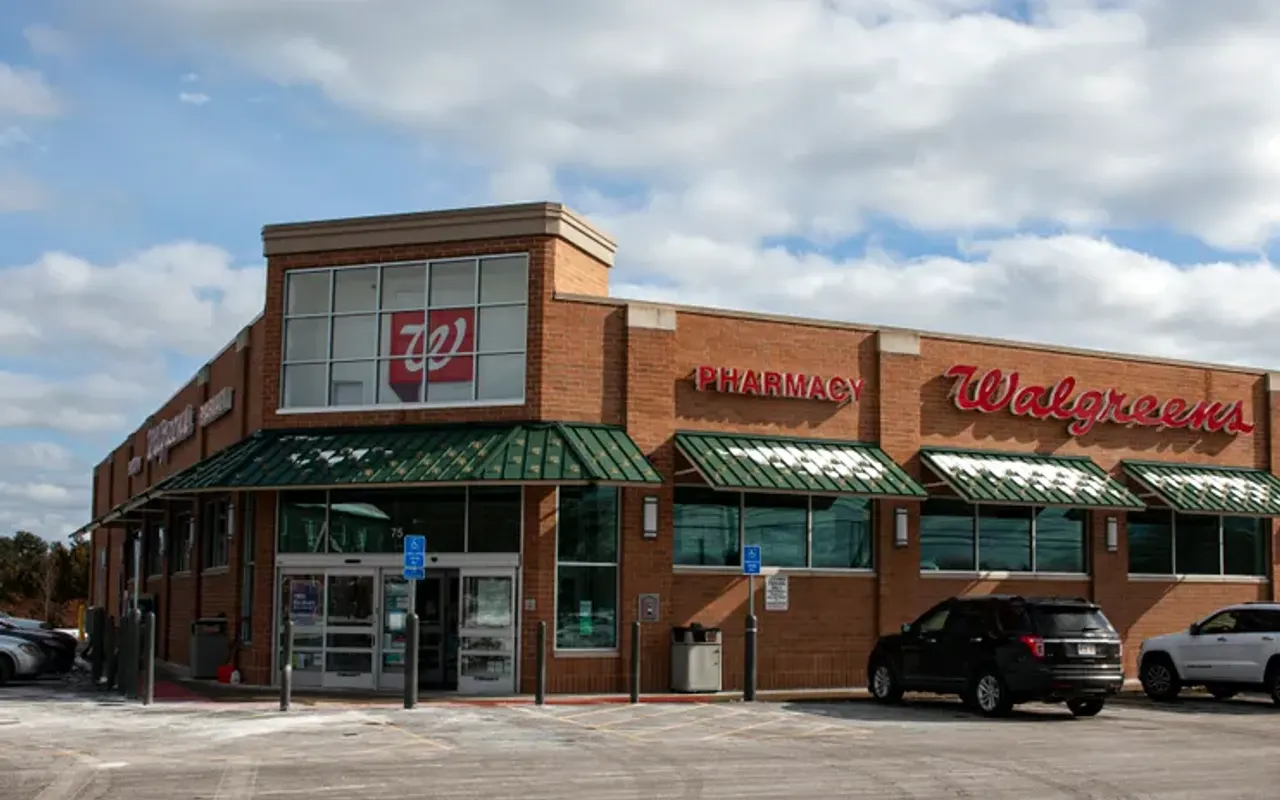
Listing information is deemed reliable but not guaranteed — pricing, cap rates, and lease terms are subject to change, prior sale, or withdrawal without notice.
Get off-market Pharmacies deals
Sector economics
A drugstore is a pharmacy with a convenience store attached: the script counter drives 75–85% of revenue, front-end retail the remainder. Reimbursement pressure from pharmacy benefit managers squeezed per-script margins throughout the 2020s, pushing both majors to close weak stores and lean into healthcare services — CVS's HealthHUB and MinuteClinic formats, Walgreens' (since scaled-back) clinic partnerships. For landlords the takeaway is binary: high-script locations became more valuable as networks consolidated around them, and marginal stores lost their reason to exist.
Lease norms
Legacy paper dominates trading volume. The classic 2000s Walgreens lease runs 75 years with tenant termination rights beginning at year 20–25; CVS's version stretches 25+ years with options. Both are absolute net — zero landlord duties — which remains the sector's gift. Newer deals and lease extensions look more conventional: 10–15 year terms, occasional escalations (legacy leases are famously flat), and the same absolute-net structure. The single most important datapoint in any pharmacy OM is the next tenant decision date.
The tenant roster
CVS Health pairs its 9,000 stores with Aetna insurance and Caremark PBM revenue — the strongest strategic position in retail pharmacy. Walgreens Boots Alliance went private in a 2025 Sycamore Partners deal after years of public-market pressure; its leases kept paying through the drama, but guarantee analysis now means reading a private-equity capital structure. Rite Aid's liquidation removed the sector's third bidder and handed script share to the survivors — quietly strengthening the very stores you can now buy at repriced yields.
Risk notes
Underwrite three layers. The store: drive-thru, corner, script proxies, closure-list survival. The lease: years to first termination right, any co-insurance or self-insurance provisions, and assignment language loose enough to permit a weaker replacement pharmacy operator. The exit: these are 13,000+ square foot boxes with $22–28 per foot legacy rents; model your re-lease at $12–16 and confirm the residual still works. Deals that clear all three screens are rarer than the inventory lists suggest — and worth moving quickly on when they appear.
Pharmacies FAQs
Are Walgreens and CVS still safe NNN investments after all the store closures?
Safe is the wrong frame; priced is the right one. Both chains closed over a thousand combined locations between 2021 and 2026, and the market repriced the survivors — deals that traded at 5% caps in 2019 now clear in the mid-6s to 7s. A store with strong script volume, 10+ years of term, and a hard corner still pays like clockwork. The discipline is refusing the locations the chains themselves would shed.
What tells you a drugstore location will survive the next closure round?
Script count is the store's revenue engine — 80%+ of drugstore revenue is the pharmacy counter, and while chains rarely disclose per-store scripts, proxies exist: 24-hour or drive-thru pharmacy status, distance to the nearest same-brand store, Medicare density in the trade area, and whether the location survived every closure list since 2021. A store 12 miles from its nearest sibling is infrastructure; one across the street from a sibling is a candidate.
What is the real risk in a 20-year-old Walgreens lease?
The structure that made them famous: 75-year terms with tenant termination options starting around year 20–25. That 'firm term' date is your real lease expiration — everything after is tenant's choice. Price the deal off years to the first kick-out, not the headline term. A Walgreens with 4 years to its option is a short-term lease wearing a long-term costume.
Do pharmacy buildings have good backfill if the tenant leaves?
Better than dollar stores, worse than QSR. The 13,000–14,500 square foot prototype with a drive-thru fits urgent care, dental groups, dialysis, veterinary, and discount retail — and the hard-corner sites both chains insisted on in the 2000s are inherently re-leasable. Expect a rent haircut of 30–50% from drugstore rent, though: replacement tenants pay market, and drugstore rents were built on pharmacy margins.
Keep Exploring
Browse
Related Tenants
Run the Numbers
Latest Insights
Want pharmacies deals matched to your criteria?
Free buyer representation. No obligation. Reply within 24 hours.