
West Virginia NNN Properties for Sale
West Virginia is the mid-Atlantic's deepest yield: 8%-adjacent caps on national-credit dollar stores, a panhandle that secretly commutes to Washington, and a tax structure improving faster than the state's reputation. Bought county-by-county, it's honest income; bought on a map-colored thesis, it isn't.
Market Facts
- State income tax
- Graduated to ~4.82%, cutting
- Population trend
- Declining; eastern panhandle growing
- Cap spread vs national
- Typically wide of national averages
- Top metros
- EASTERN PANHANDLE · CHARLESTON · MORGANTOWN
West Virginia Listings
Listing information is deemed reliable but not guaranteed — pricing, cap rates, and lease terms are subject to change, prior sale, or withdrawal without notice.
Get off-market West Virginia deals
Why West Virginia for NNN
The caps compensate for demographics — and the demographics aren't uniform. The eastern panhandle grows on DC-orbit economics, Morgantown compounds on WVU's gravity, and the state's county seats consolidate rural spending into exactly the retail formats NNN buyers own: dollar stores as infrastructure, parts stores for working trucks, QSR at the interchanges. Layer on bottom-five property taxes and a falling income tax, and the hold math on performing stores is among the strongest cash-on-cash in the East.
Top metros
The eastern panhandle leads: Martinsburg's retail spine and the Charles Town/Ranson corridor carry genuine growth-market fundamentals at yield-state pricing. Morgantown's university-medical complex anchors the north-central market. Charleston (state capital) and Huntington (Marshall, healthcare) hold steady institutional corridors at deep-value caps, and the southern coalfield counties price their trajectory honestly — specialists only.
Tax and 1031 notes
Income tax stepping toward 4.82% with legislated triggers below — confirm current with your CPA; property taxes among America's lowest with 60%-of-value assessment; no estate tax. Transfer costs are minimal. Title work in rural counties rewards early starts (mineral-rights histories complicate some parcels — surface-rights confirmation is the local diligence quirk worth naming), but closings run smoothly across the panhandle and metro markets.
Deal flow and buyer's notes
West Virginia rewards the county-by-county buyer: panhandle listings (Berkeley, Jefferson counties) increasingly draw DC-orbit money and price accordingly, while southern coalfield paper sits until a yield specialist verifies the county seat's anchors and moves. Surface-rights confirmation is the local diligence signature — mineral-severed parcels are common enough that title work should start immediately at contract. Dollar-store paper dominates inventory; apply the hospital-courthouse-highway screen and the 8% caps price honestly. Corridor H's staged completion keeps opening new highway-commerce sites in the eastern highlands, a rare frontier-development story in the East. Financing runs through regional banks that know these towns; national lenders' absence is part of why the caps are what the caps are.
Active tenants here
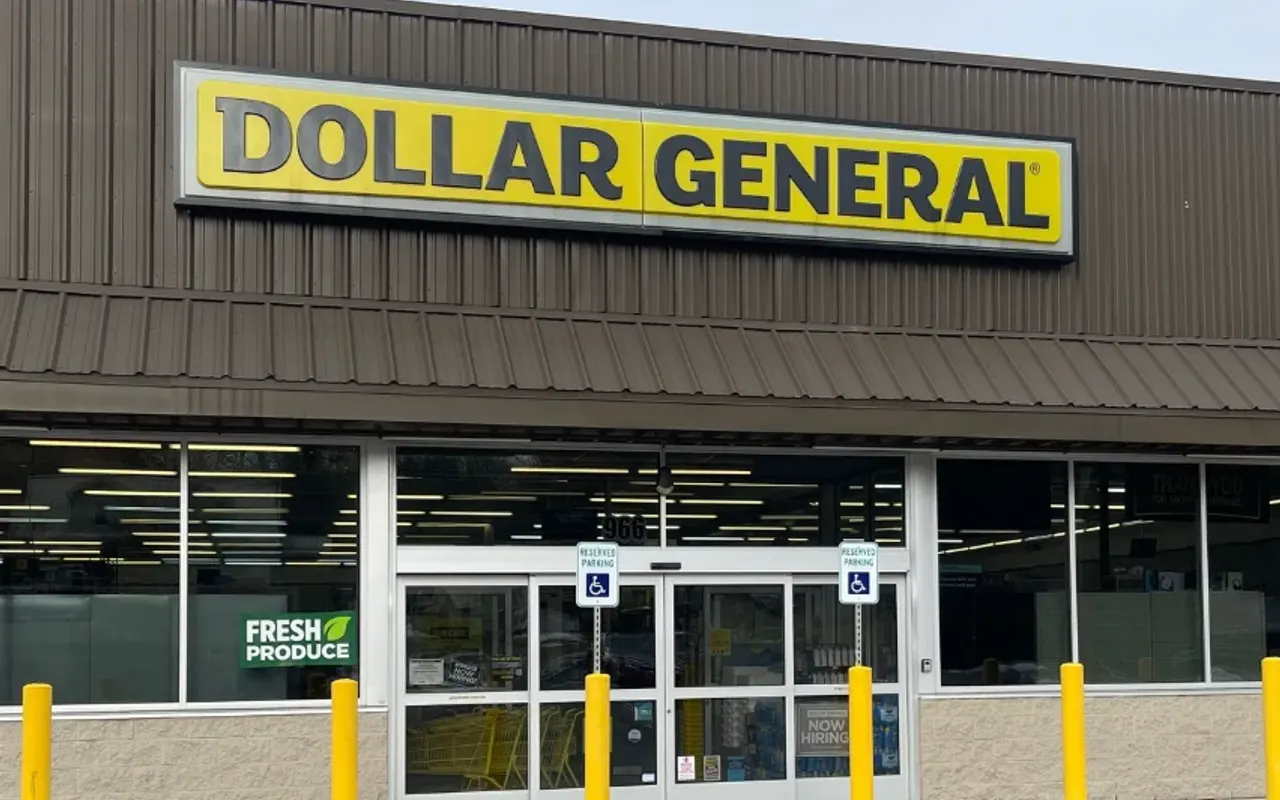
Dollar General is the state's dominant retail format outright, with Family Dollar beside it in the county seats. McDonald's and KFC hold the interchange QSR tier, AutoZone serves truck-country fleets, and Walgreens corners the metro intersections from Charleston to Martinsburg. Panhandle drugstore volume rides the region's federal-commuter demographics, adding a script-count niche to the state's dollar-store core.
West Virginia NNN FAQs
Where does West Virginia actually grow?
The eastern panhandle — Martinsburg, Charles Town, and Berkeley County function as far-western DC suburbs, riding federal payrolls (Coast Guard operations, IRS processing) and Virginia-refugee affordability migration. It's the one region whose population compounds, and its Route 9/I-81 corridors host the state's institutional-quality new development. Morgantown (WVU's economy) holds second place.
Are 8%+ caps on West Virginia dollar stores realistic to underwrite?
Yes, with the state's clearest screen: county trajectory. Coal-country counties losing 10%+ per census are lease-countdown territory regardless of tenant credit; county seats with hospitals, courthouse employment, and highway junctions hold their dollar stores indefinitely because no competing retail is coming. The caps are the widest in the mid-Atlantic — they pay for exactly this sorting work.
What's improving in West Virginia's investment picture?
Taxes and infrastructure. The income tax has been cut in steps (6.5% → 5.12% → toward 4.82% and lower on triggers — confirm current with your CPA), property taxes are already among the nation's lowest, and Corridor H's completion keeps opening the eastern highlands to commerce. Tourism (New River Gorge's national-park status) adds a small but real demand layer along its gateways.
Keep Exploring
Browse
Neighboring States
Active Tenants Here
Run the Numbers
Buying in West Virginia? Tell us your criteria — we'll send matching deals.
Free buyer representation. No obligation. Reply within 24 hours.