
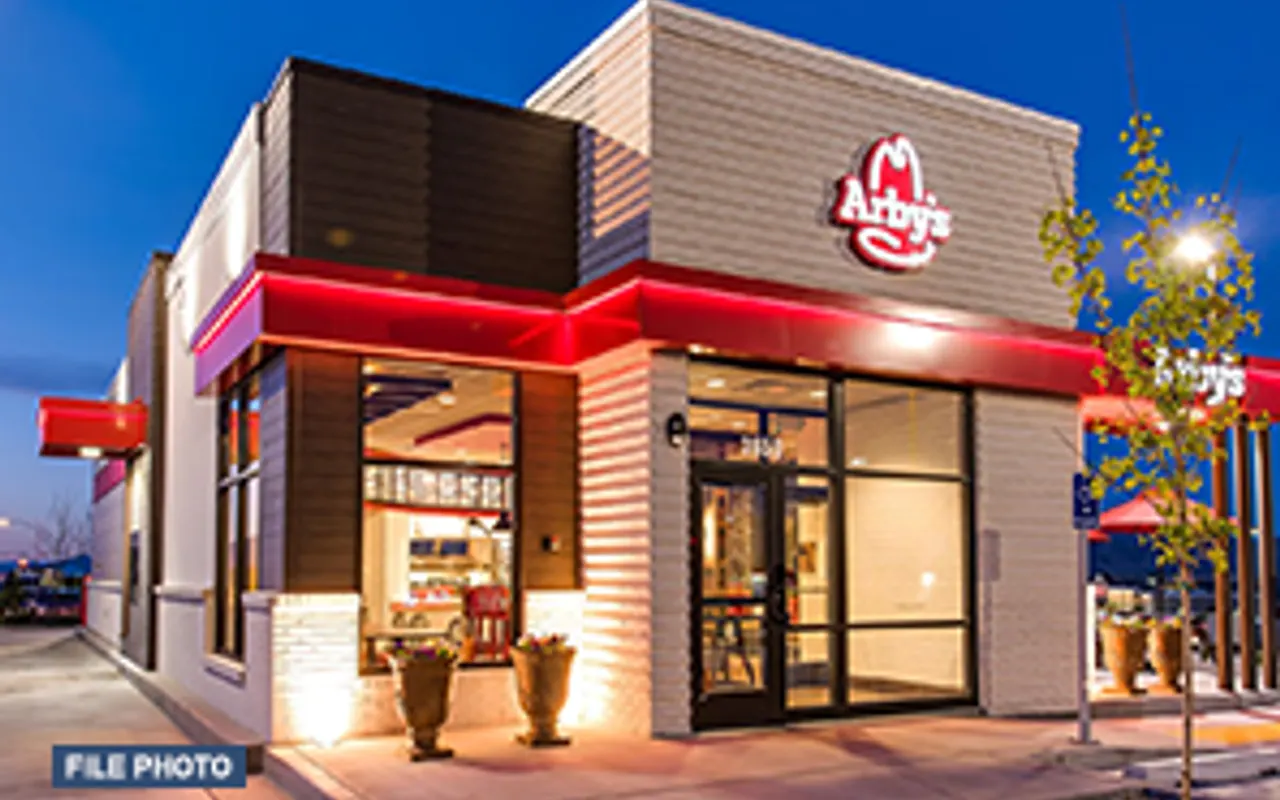
Arby's NNN Properties for Sale
Arby's is franchise QSR's steady middle: a category-of-one sandwich brand under Inspire Brands' multi-brand umbrella, trading at honest mid-6 to low-7 caps on real drive-thru corners. It lacks Taco Bell's momentum and Burger King's drama alike — which for income-focused buyers is precisely the appeal.
Quick Facts
- Typical cap range
- 6.00–7.25%
- Lease type
- NNN (fee simple typ.)
- Typical term
- 10–20 yr
- Credit
- Franchisee-guaranteed — underwrite the operator
- Guarantee
- Varies — franchisee entity
Arby's Listings
Listing information is deemed reliable but not guaranteed — pricing, cap rates, and lease terms are subject to change, prior sale, or withdrawal without notice.
Get off-market Arby's deals
Lease structure
Tradeable paper mixes refranchising sale-leasebacks (15–20 year NNN, 10%-per-five escalations) with legacy fee-simple deals on shorter remaining terms. Maintenance allocation tracks vintage — newer paper trends absolute-net, older leases retain landlord shell duties on buildings now 25–40 years old. Options run 5-year standard. The fleet's remodel wave adds amendment layers worth pulling: extensions and rent adjustments frequently rode along with remodel funding.
Credit and guarantee
Inspire Brands provides system stewardship without lease guarantees; franchisee entities sign. The operator pool consolidated substantially through the 2010s — large multi-brand platforms (several also running Wendy's or Sonic) hold growing shares, and their guarantees represent the brand's institutional tier. Standard diligence: unit count, brand mix, tenure, and whether the guarantor entity encompasses the operator's full holdings. Corporate-run stores, where offered, carry Inspire subsidiary paper — stronger, and priced accordingly.
What drives cap rates
Operator scale and remodel status lead, followed by term, escalations, and store sales against the ~$1.4M average. Real estate does more work at this brand's price points: corner geometry and corridor health determine the re-lease floor that makes mid-market AUV paper safe. Midwest and Southeast markets — the brand's density core — supply most inventory and the region's characteristic yield premium adds 25–50 basis points versus identical Sunbelt deals.
Buyer criteria and red flags
Require operator disclosure, remodel documentation, and sales history; underwrite the corner as re-leasable QSR infrastructure independent of the brand. Red flags mirror the franchise-QSR checklist: sub-20-unit guarantors on above-market rent, franchise agreements misaligned with lease terms, unremodeled stores in remodeled markets, and single-lane sites where the trade area's QSR standard has moved to dual lanes. Nothing about this brand punishes buyers who follow the standard playbook — it's the rare system where the boring analysis is the whole analysis.
How Arby's compares
Wendy's offers stronger volumes at modestly tighter pricing; Burger King offers wider caps with turnaround homework attached. Sibling-by-parent Dunkin' shows Inspire's franchise architecture applied to coffee. Arby's earns its slot for buyers who want franchise-QSR yield without betting on a turnaround or paying for momentum — the portfolio's ballast position.
Arby's NNN FAQs
Who stands behind an Arby's lease?
A franchisee, in roughly two-thirds of the 3,400-store U.S. system — though Arby's retains more company-operated stores than most peers, so corporate-adjacent paper does surface. Inspire Brands (the Atlanta-based parent also running Dunkin', Sonic, and Jimmy John's) owns the flag. Operator tiers run from platforms with 200+ units to single-market families; the signature block sets your price, per franchise-QSR standard practice.
Is the sandwich segment a safer bet than burgers?
It's a quieter one. Arby's occupies a category — roast beef and deli-style sandwiches — without a national direct competitor, which insulates it from the discount wars that batter burger margins. AUVs around $1.4M are modest but stable, and the brand's comps have run steadier than Burger King's or KFC's. Lease buyers read that as rent durability at mid-market volumes rather than growth.
What real estate does Arby's typically occupy?
The classic 2,800–3,200 square foot freestanding drive-thru box from 1980s–2000s development, on 0.7–1 acre pads along established retail corridors — very re-tenantable formats when corners are good. The 'Inspire' remodel package has been refreshing the fleet's look; remodeled stores signal operator commitment exactly as they do across the parent's other brands.
What cap rate is fair for an Arby's deal?
Between the wide and tight ends of franchise QSR: healthier than Burger King's post-bankruptcy pricing, wider than Taco Bell's momentum premium. Expect low 6s for large-operator paper on remodeled stores with 15+ year terms, and low 7s for smaller guarantees or aging terms. The store's sales disclosure and the operator's unit count move any quote by 50 basis points in either direction.
Keep Exploring
Browse
States with Inventory
Run the Numbers
Buying a Arby's? Get every matching deal — on and off market.
Free buyer representation. No obligation. Reply within 24 hours.